
In the rarified air of high-end hospitality, certain announcements feel like a standard corporate handshake, while others signal a tectonic shift in the landscape. The news that Yotam Ottolenghi will anchor the transformation of Amsterdam’s iconic Conservatorium into the Mandarin Oriental Conservatorium in early 2026 is decidedly the latter.
As a luxury lifestyle magazine with over two decades of experience chronicling the evolution of fine dining and travel, we view this as much more than a “celebrity chef” opening. This is a masterstroke of strategic rebranding and a blueprint for the future of the “Hotel as a Destination.”
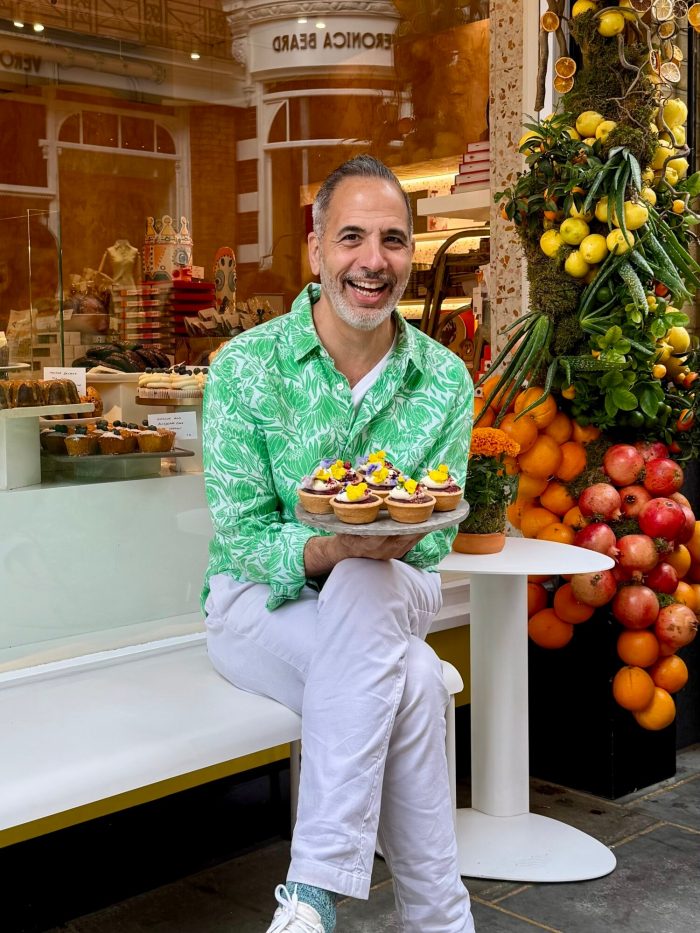
photo: Yotam Ottolenghi And Mandarin Oriental To Launch Amsterdam Restaurant / @mandarin oriental
Beyond the Branding: A Synergistic Power Move
The Conservatorium has long been the “living room of Amsterdam,” but its transition into the Mandarin Oriental portfolio requires a global culinary anchor that matches the group’s “Fan” culture. By securing Ottolenghi, Mandarin Oriental isn’t just buying a name; they are importing a lifestyle.
This follows the successful 2025 launch at Mandarin Oriental, Geneva, which proved that Ottolenghi’s vibrant, “unstuffy” luxury perfectly balances the formal precision of a five-star hotel. Industry data further supports this move, showing that luxury hotels with prestigious culinary partnerships command significantly higher revenue per available room. For the Conservatorium, this partnership justifies the premium positioning that comes with the Mandarin Oriental rebrand.
The “Homecoming” Narrative: Emotional Luxury
Luxury in 2026 is no longer just about white tablecloths; it is about storytelling. Ottolenghi’s personal history with Amsterdam—having lived there in 1995—lends the project an authenticity that money cannot buy. This isn’t a franchise drop; it’s a “walk down memory lane.”
For the modern traveler, dining in a space that feels personal to the chef creates a deeper emotional connection. The design—housed in the hotel’s soaring glass atrium with rich wooden accents and striking red and gold details—is intended to bridge the gap between a high-end institution and a “local eatery” vibe.
A New Industry Playbook
This partnership reflects a critical shift in how we define prestige. We are seeing vegetable-centricity emerge as high luxury, moving away from traditional French “fine dining” toward the bold, ferment-heavy philosophy of ROVI. Simultaneously, the concept of the “Third Space” is evolving; hotels are now designed to attract locals as much as tourists, using Ottolenghi’s community-focused dining as a magnet for the city’s affluent residents. Finally, this marks a significant Mainland Europe expansion, signaling a shift in the Ottolenghi empire’s center of gravity from London to key continental hubs.
Is it “Just Another Announcement”?
No. This is the final nail in the coffin for the “stiff” hotel restaurant. By placing an Ottolenghi kitchen—known for sharing plates and a relaxed atmosphere—at the heart of a Mandarin Oriental flagship, the industry is admitting that vibrancy is the new exclusivity.
We are seeing the birth of a new “Gold Standard” where the hotel provides the impeccable hardware (the 19th-century Daniel Knuttel architecture), and the chef provides the soulful software.
