The Monaco Energy Challenge is the world’s biggest green energy boat race

Monaco Energy Challenge 2021/ @Monaco Yacht Club; @energyboatchallenge.com

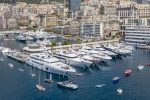
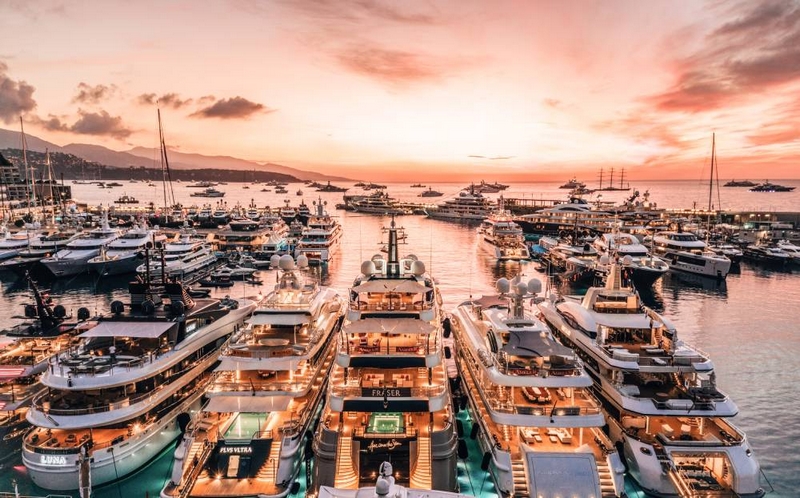
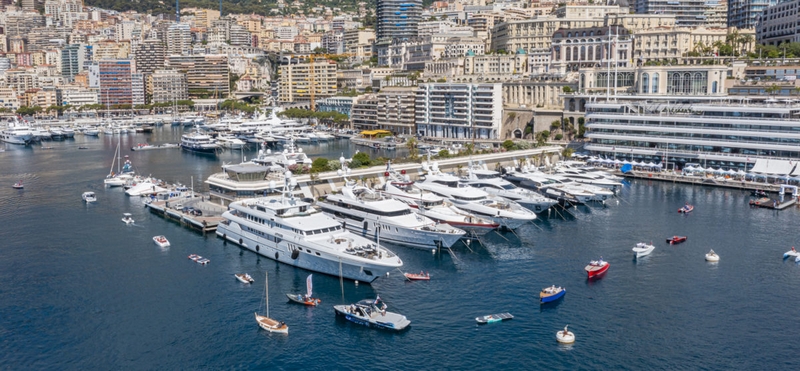
Monaco Energy Challenge 2021: Monaco Yacht Club hosts the first competition between green energy boats.

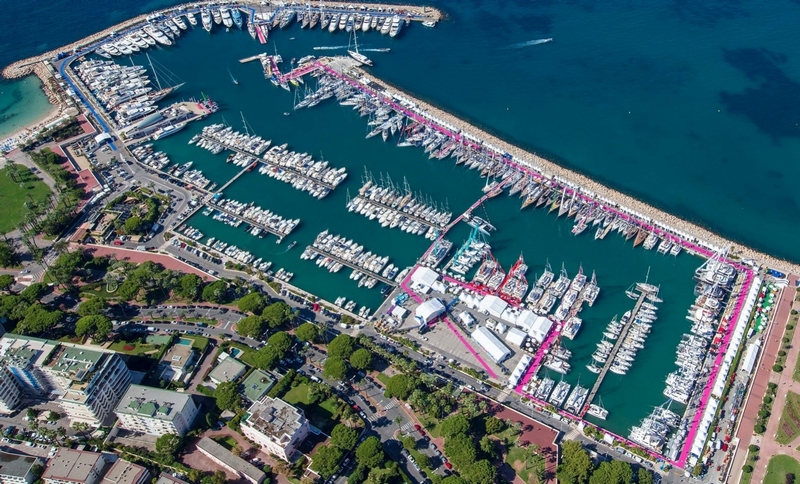
Teams from around the world gather in Monaco this week in preparation to race their boats during the Monaco Energy Challenge, a competition that “aims to stimulate the creativity of tomorrow’s engineers and the industry to develop propulsion methods using clean energy.”

The Monaco Energy Challenge is the world’s biggest green energy boat race with 35 teams from 20 countries entering electric, solar and hydrogen boats that compete in three different categories. A wide variety of teams – from university engineering students to commercial electric boat makers – will race in the Solar, Energy and Open Sea classes.

After a year of restrictions due to the pandemic, the 22 universities from Europe and rest of the world were finally able to show off the fruits of their research. It was their first confrontation on the water off Quai Rainier III, starting with the parade, followed by sea trials and an afternoon of qualifying heats for the green races. There was little room for error in the three categories in competition: Energy Class and its 19 protagonists, Solar Class (10 boats) and Open Sea Class (5 boats). The sun shone and sea and wind conditions were ideal for these prototypes of the future which tomorrow will have to demonstrate their seaworthiness, speed, endurance, manoeuvrability and above all reliability.

The three classes of futuristic boats in Monaco were invited to show off their advantages, silence, performance and economy, in bespoke events for each, the Energy and Solar classes racing round a half nautical mile course, aiming to do as many laps as possible off the main harbour wall. Before the big 16 nautical mile Monaco-Ventimiglia-Monaco race, they also had to prove how well their vessels manoeuvre in a restricted space. Docking, reversing, mooring recovery, 360°, buoy recovery – all the seamanship exercises required of a mariner, under the merciless sanction of the stopwatch. Lanéva Boat won ahead of Candela and Tenderworks.

Meanwhile in the Solar Class the Dutch Sunflare Solar Team who peaked at 14.37 knots look like serious contenders ahead of their compatriots from TU Delft Solar Boat de HAN Solar Boat, both posting speeds above 14 knots. But it was the Swiss from Swiss Solar Boat who was on the second step of the podium on the first day. In the Energy Class, the Italians from Bologna and their UniBoat set the best qualifying times, while the Polish from E-Racing Team, although over a minute adrift, seem well placed, as do the French from Mines Energie Challenge.
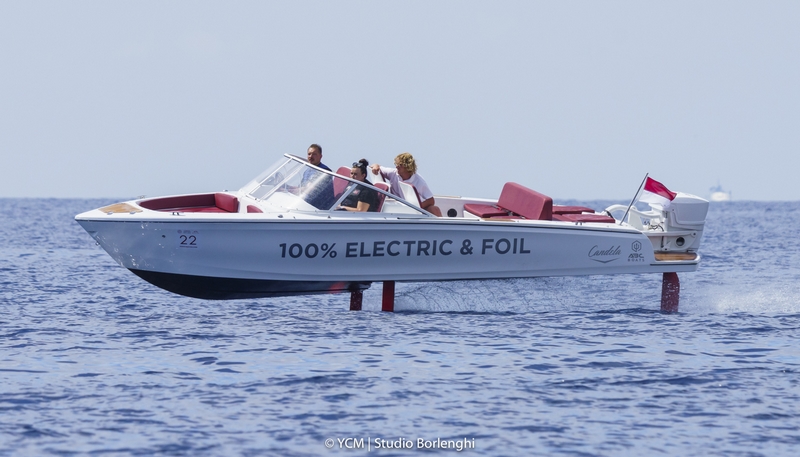
Monaco Energy Challenge 2021/ @Monaco Yacht Club; @energyboatchallenge.com; photo @YCM/ Studio Borlenghi

Three separate classes – sport, performance and experimentation

Energy Class
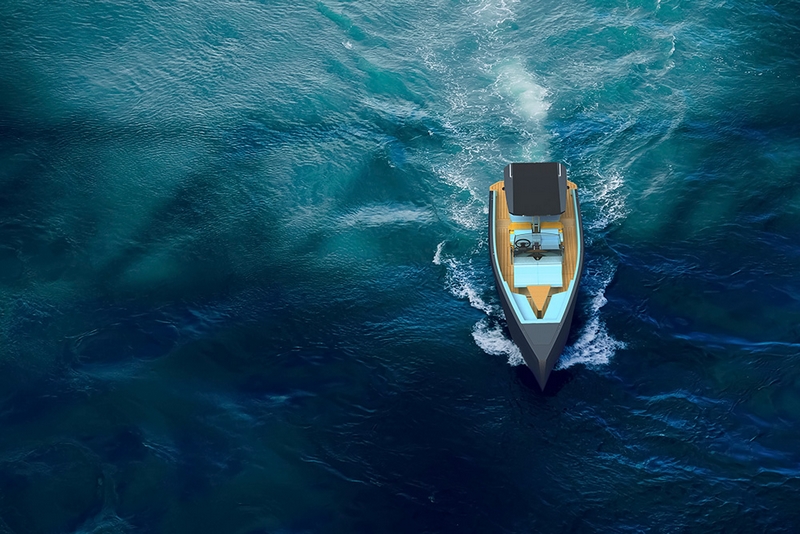
This is in effect a one design class, launched in 2018 by Yacht Club de Monaco which supplies each team with an identical 5m catamaran hull. Working with manufacturers, the students have to design the most effective and durable cockpit and propulsion system from a renewable energy of their choice, using a given amount of energy. These small 250kg prototypes are like mini-laboratories of innovation experimenting with a host of different approaches: fuel cell, heat recovery to optimise propulsion and artificial intelligence to name a few.

Solar Class
Boats must comply with a set of rules covering technical dimensions and power systems. In the Solar Class, a prototype is drawing energy from an onboard reserve continuously being recharged by solar panels on the deck. A match race (duel), slalom challenge and endurance course face this category that has been attending since the event was launched in 2014. With a length of 7m, these prototypes are capable of carrying their 140kg weight at nearly 25 knots!

Open Sea Class
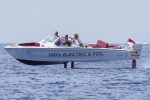
Formerly called the Offshore Class, the Open Sea Class is open mainly to boats either on the market or about to enter it, and face a rally to Ventimiglia in Italy from Monaco and back, a coastal course of 16 nautical miles (29.6km). These boats are already impressing with their performance, as evidenced by Vita X which racked up 44 knots in absolute silence, apart from the sound of water flowing along its 10m length hull. The foil-equipped Candela C-7 meanwhile takes off fast and planes above any small chop.


A full day of talks and discussions on energy transition in yachting

While the 400+ international students were testing tomorrow’s solutions out on the water, Yacht Club de Monaco devoted this first day of action to a conference on energy transition for the yachting sector. Twelve speakers took turns during four session to give a broad overview of the environmental solutions available now for the industry and the avenues they can go down to reduce carbon emissions. Specialists, ecologists and economists all spoke of a solution that has the wind in its sails. Hydrogen is the object of much speculation and numerous studies and analysis. A round table will be devoted to it at the event, an opportunity for Monaco government representatives, and institutions from the Principality and neighbouring states to discuss the development and potential of hydrogen projects adapted to maritime and land mobility issues.

Innovations right down to the propeller

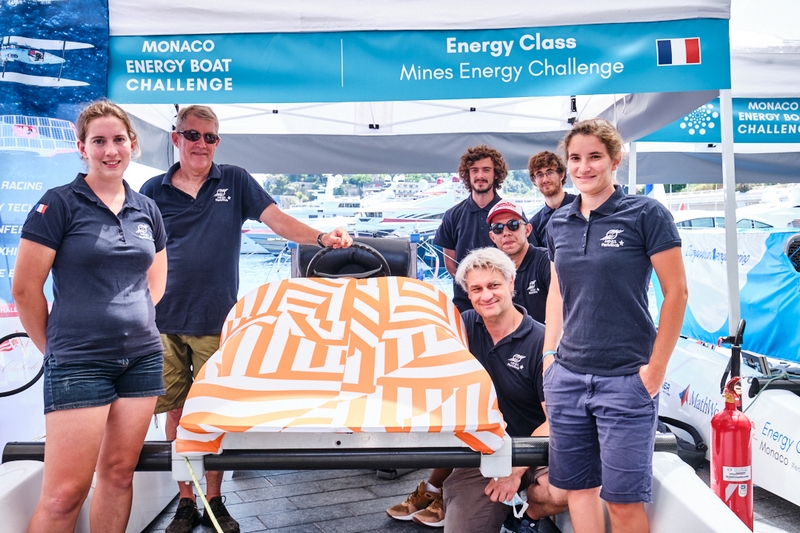
At the Monaco Boat Energy Challenge there is no limit set on innovation as long as it is working towards saving resources. The teamfrom Mines ParisTech have been working hard with Ferme 3D to develop a revolutionary propellor both in terms of its design and rate of return, printed in 3D, to take advantage of the flexibility this technology offers engineers.
Monaco Energy Challenge 2021/ @Monaco Yacht Club; @energyboatchallenge.com

A world first – a solar powered foiling prao.

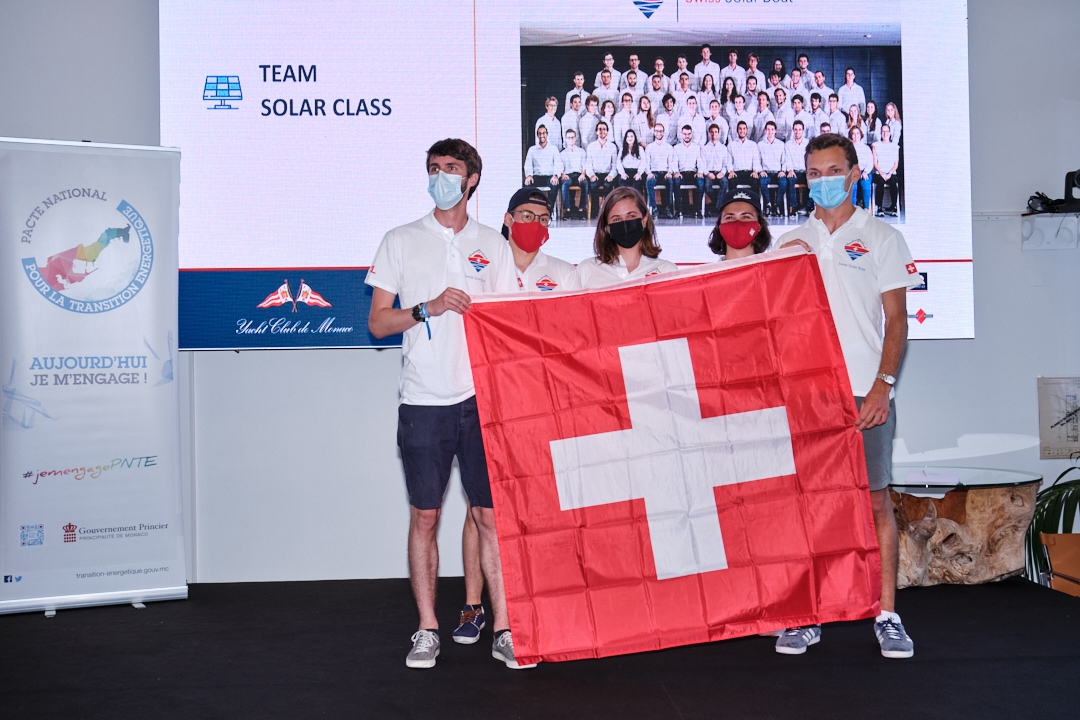
Seven metres in length, with solar panels and complex outrigger, that is expected to top 30 knots, the Swiss Solar Boat is no ordinary boat. Its asymmetrical aspect has earned it the name “Dahu”. Students from EPFL in Lausanne had the idea to develop and build it in the shape of a prao, an asymmetrical multi-hull inspired by Polynesian dugout canoes. The 60 students involved in this project made a good impression on the first day of the green boating event, their foiler “flying” at a respectable 17 knots round the course.
Monaco Energy Challenge 2021/ @Monaco Yacht Club; @energyboatchallenge.com

Three major advantages of the kite wing for the yacht


Silent Yachts Silent 60; @Silent Yachts

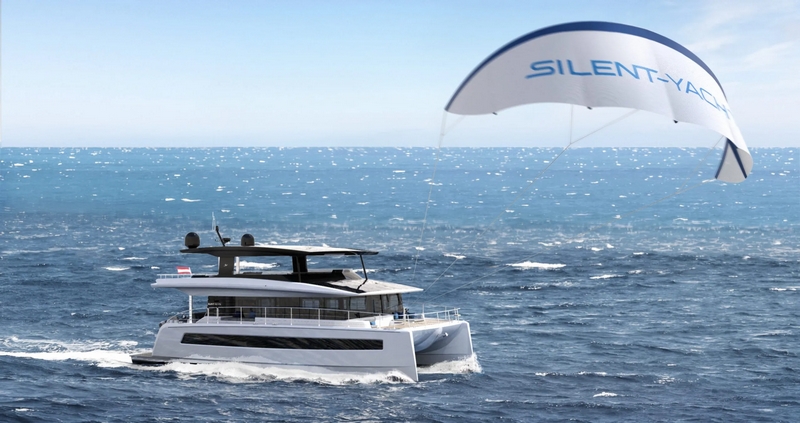
This innovative kite wing is easy to use and adds up to 5 knots to the Silent-Yacht solar electric catamaran speed.

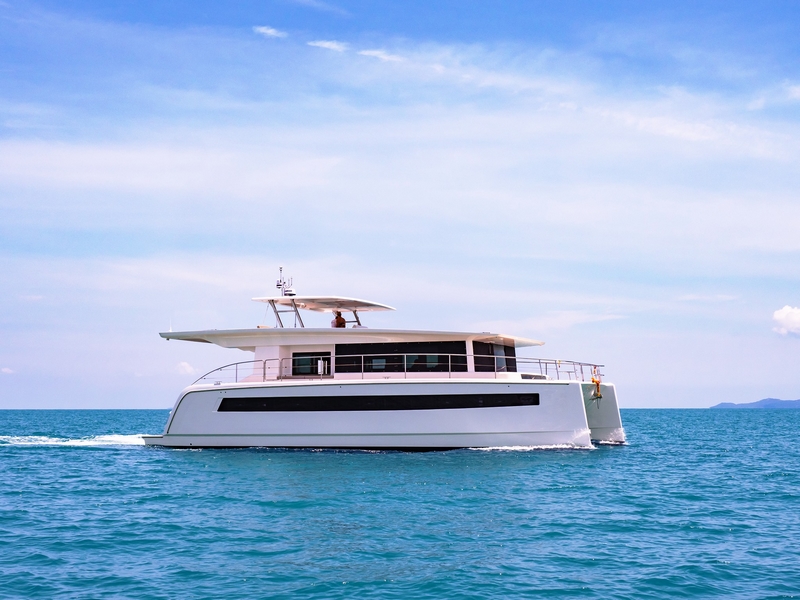
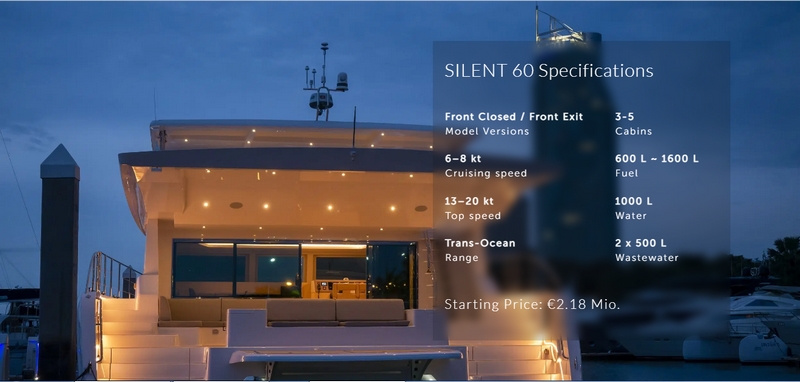
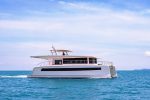
Silent-Yachts has increased its fleet of innovative oceangoing solar electric catamarans introducing the new Silent 60 that has been launched recently at Silent Yachts production facility in Thailand, which is led by the Swiss entrepreneur Philippe Guénat. This is the first unit of the model while eight more hulls are currently under construction and 17 are ordered in total.

What makes it even greener is that it was built with a kite wing, a special system that in contrast to conventional sailing yachts, does not require a big mast and the kite sail generates much more power per square meter than a conventional sail. Silent Yachts offers the optional available kite-sail system for all their models.

“The kite system sounds like the perfect match for windy days together with the electric propulsion system of Silent Yachts,” said the German owner of the first SILENT 60. “I am an enthusiast of new technologies which help, little by little, to overcome the ecological challenges we are facing today.”

Greener than before

The SILENT 60 carries a light compact kite wing from Wingit, that does not require a big mast to hoist the kite and it´s also easy to use. A kite wing that operates in such heights, generates up to 10 times more power per square meter than a conventional sail.

So, how the kite wing system works? There is a dedicated box in the bow area of the SILENT 60, which contains the kite (the sail is 13 sq. m) including all its components (winches, mast, ropes, etc). Here the entire system is also stored, when not in use.

To launch the kite, it’s only required to set up a small mast, which is only two feet high, with four stays (6 mm Kevlar “ropes”) that need to be fixed to four foldable pad-eyes (this takes a few seconds). After taking out the kite, it gets pumped up with an electric pump that is in the box as well (this takes only a few seconds), you switch on the winch, throw the kite overboard where it will drift away with the wind and then the kite can start from the water by pulling the ropes. When in the air, the automatic steering can take over – the pulling rope is released until the kite is more than 120 meters above the boat and it starts to paint a huge “8” in the sky.

Bringing it down is the reverse process. The automatic control moves the kite to a position right above the boat where it has the least pull on the rope, then the owner or a crew member winches the kite down electrically, pulls the right rope so that the kite collapses above the front deck. Now, the kite gets put back into the bag and stored in the box.

Silent Yachts Silent 60; @Silent Yachts

The advantages of the kite wing

There are three major advantages of the kite wing for the yacht. First, extra propulsion. The kite can pull the 30-ton SILENT 60 with about 4-5 knots and it reduces the consumption of the e-motors, thus extending the range. The already green solar electric catamaran gets greener and more eco-conscious this way. Second, emergency. If a floating fishing line gets entangled in the propellers, a kite can serve as a reserve propulsion that enables the boat to get to a protected place where the rope can be cut and the prop set free. Last but not least, fun and joy. It is great to see the kite high up in the air, pulling the boat with the power of the wind.

A new high performance hull form

The SILENT 60 also has a new high-performance hull form that is optimized with CFD study, with longer waterline and reverse bow. Its exterior design’s signature details are long window stripes at the sidewall of the hull and more window surface overall.

“I want to congratulate our entire team with this successful project”, said Michael Köhler. “The SILENT 60 is the first example of a new generation of solar electric catamarans that we produce and many more will follow. We are happy to provide sustainable, emission-free solutions for yachting enthusiasts that want to make the world a better place.”

The owner plans to use his SILENT 60 for a few weeks per year and will make it available for charter.

“I thought it would be a pity to leave the boat unused for the rest of the time, and I have decided to rent the boat on a daily or weekly basis to anybody who is interested in trying out this wonderful yacht for a day trip or for a longer holiday with flexible routings,” he said.

Silent Yachts Silent 60; @Silent Yachts

The boat can be handled by two people with ease and offers plenty of space for families and crew.

For adventurers, additional water toys, SUP´s, kayaks and e-bikes can be stored in the bridge deck.

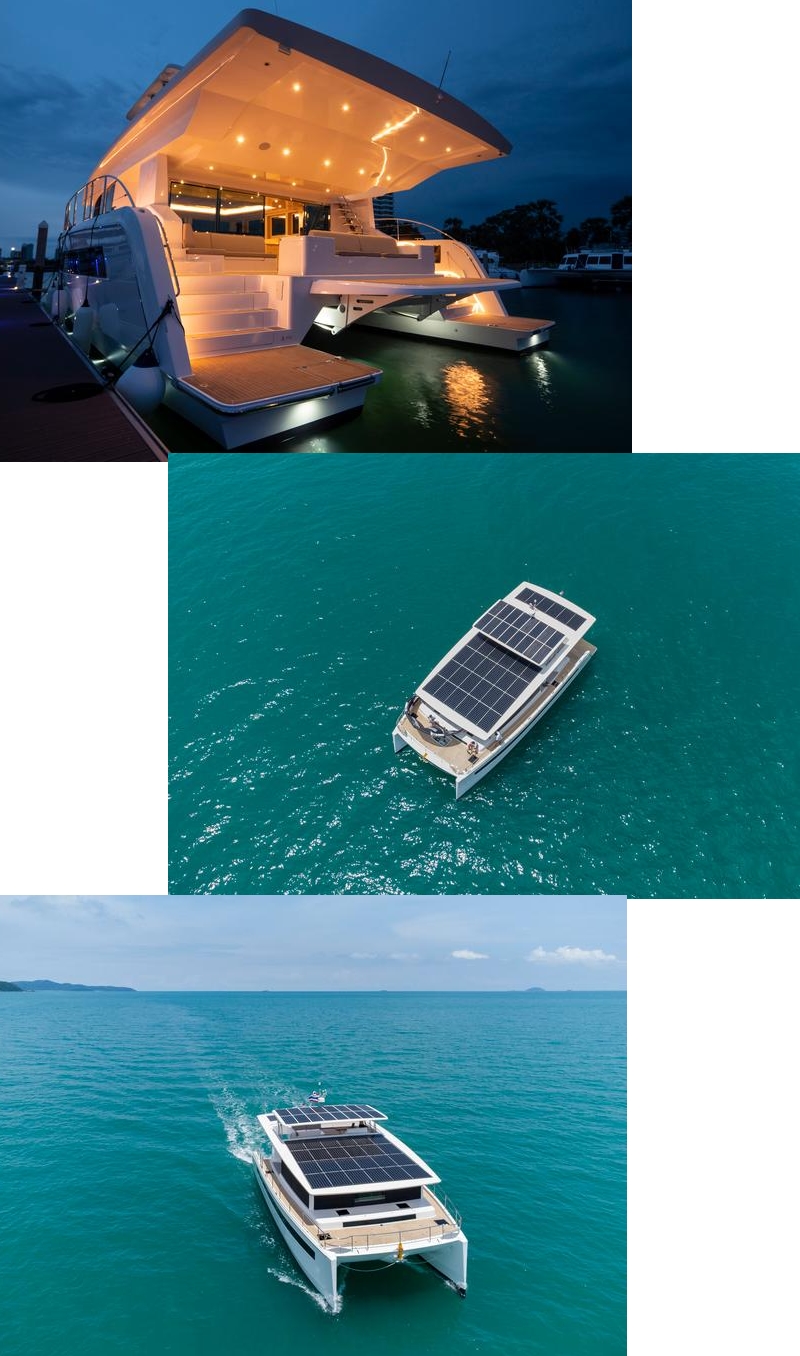
The SILENT 60 offers a flexible layout. The first has four guest cabins on the lower deck, including a spacious master suite. There are many social areas on board, an airy main saloon, an aft cockpit, a cosy bow seating and a flybridge. The yacht has higher headroom everywhere (up to 230 cm in the saloon) and more powerful solar panels (42 pieces for 17 kWp against 30 for 10.8 kWp on the SILENT 55).

The new model has a draft of less than 1 meter, which allows it to reach shallower bays, that may be crucial for areas like the Caribbean and South East Asia. The SILENT 60 has two swimming platforms in the aft which can optionally be extended by 90 cm upon owner’s request. In this case, the boat may carry a pair of electric jet skis. A liftable hydraulic platform, which is located between the two swimming platforms, can also be enlarged from the standard 3.7 x 1.7 m to 4 x 2.4 m to carry a larger tender – up to 350 kg and 4-meter long.

The SILENT 60 is equipped with the company’s aeration system, which provides cool and fresh air to all accommodations, heads, and in the saloon. The airflow in each space is individually adjustable and can be used when the weather conditions require the windows to be closed. In addition, a reverse-cycle heat-pump system heats the interior when necessary, ensuring all-season comfort. The insulated hull ensures efficient achievement of desired on-board temperatures.

The catamaran is designed to go everywhere as a true ocean-going cruising yacht. It can cruise efficiently for up to 100 miles a day for weeks. At the same time, the arrangement of the components enables the system to power all on board systems without.

Silent Yachts Silent 60; @Silent Yachts

With 560 New Boats On Display, Cannes Yachting Festival 2021 Debuts An Area for 100% Electric and Hybrid Boats

    With less than three months to go before its opening, the future edition of the Cannes Yachting Festival looks very promising. Not only will the famous Yachting Festival be the first major event to reopen since the Covid-19 pandemic, it will also be rich in exceptional content to discover from 7 to 12 … Read more

Six solutions for boat owners wishing to make the switch to greener options

  It’s an ‘electric’ line up of boats at 2021 Green Tech Boat Show. Brand new for 2021, The Green Tech Boat Show will take place on 19 to 20 June at Queen Anne’s Battery, Plymouth. The event presents sustainable yachting solutions in a practical way, showcased next to other green technologies. This will allow … Read more

2021 Yacht Shows: the biggest and best are still to come

    Read our guide to the best 2021 yacht shows, including the upcoming Cannes Yachting Festival, the Monaco Yacht Show, and the Fort Lauderdale Boat Show. We may already be halfway through the year, but the biggest 2021 yacht shows are still to come. The Cannes Yachting Festival, the Monaco Yacht Show, and the … Read more

How to choose your superyacht’s flag registry

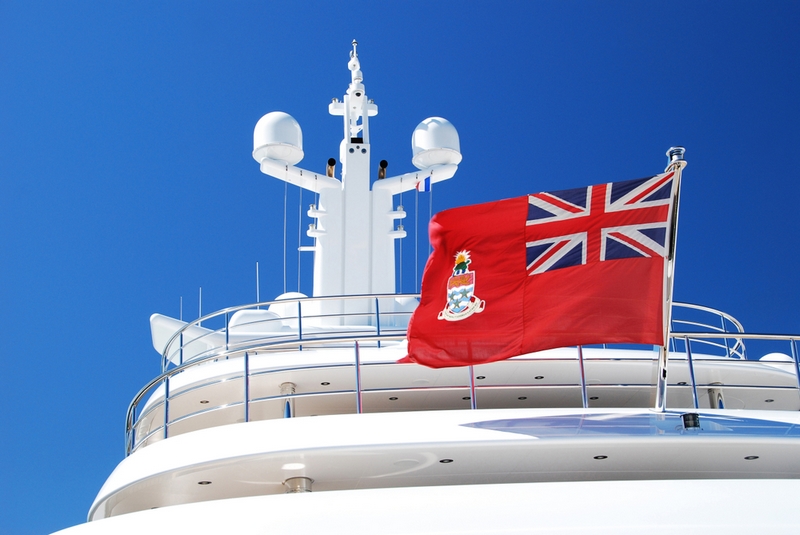
Choosing which flag to register your yacht under can have far-reaching implications. Learn more about superyacht flag registry and yacht management here. Choosing which flag to register your yacht under can have far-reaching implications. Indeed, the flag you choose to fly from your boat’s transom can impact your tax implications, boarding and liability, your yacht’s … Read more