Every quarter, the internet quietly votes on which fashion houses it’s obsessed with, and every quarter, Lyst tallies the results into a ranking that half the industry pretends not to check obsessively. The Q2-26 Lyst Index has landed, and this time the story isn’t really about a coup at the top. It’s about heatwaves, jelly shoes, and a basketball cap that behaved like it had something to prove.
Let’s unpack what actually happened — and what it means when a brand’s number goes up or down.
Same Throne, New Court
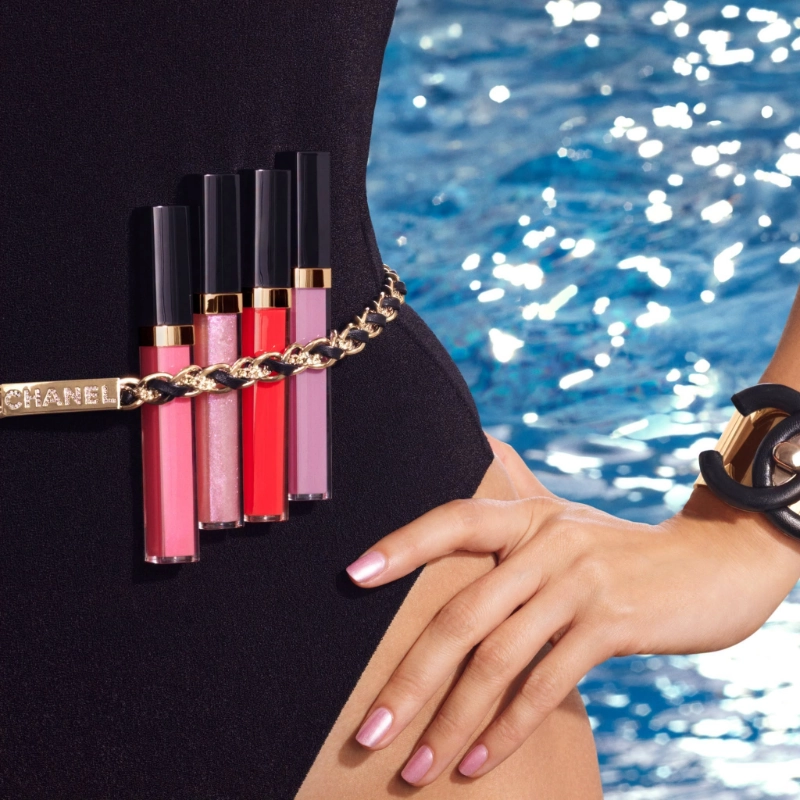
Chanel holds onto the number one spot for another quarter, unbothered as ever, powered by its Coco Beach and Métiers d’Art 2026 collections. Shoppers searched for Chanel sunglasses 70% more than the quarter before, which tells you everything about how the brand is winning right now: not through reinvention, but through relentless, aspirational consistency. Chanel isn’t chasing trends. Chanel is the trend, sunbathing.
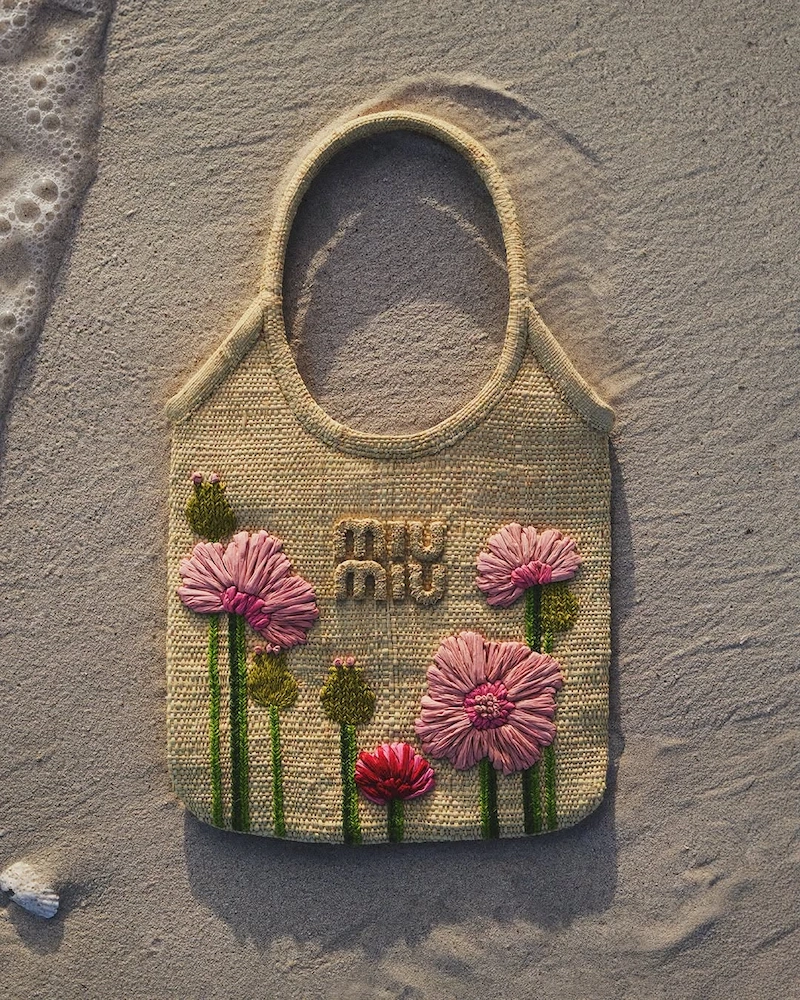
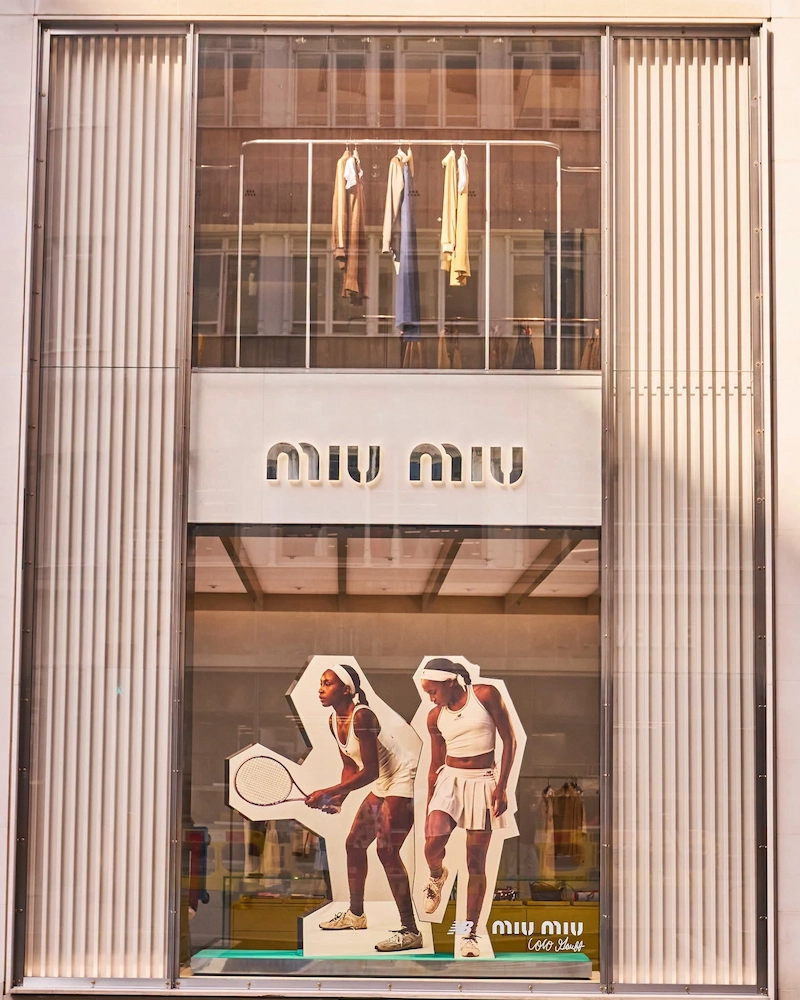
Miu Miu climbs back into the top three, helped along by crochet bags and a New Balance collaboration that got a very public boost courtesy of Coco Gauff at Wimbledon. Dior rounds out the podium, steady as ever, while Burberry and Prada both nudge upward — Prada notably via a very literal moonshot, unveiling a spacesuit with Axiom Space, presumably for shoppers who’ve exhausted every terrestrial wardrobe option.
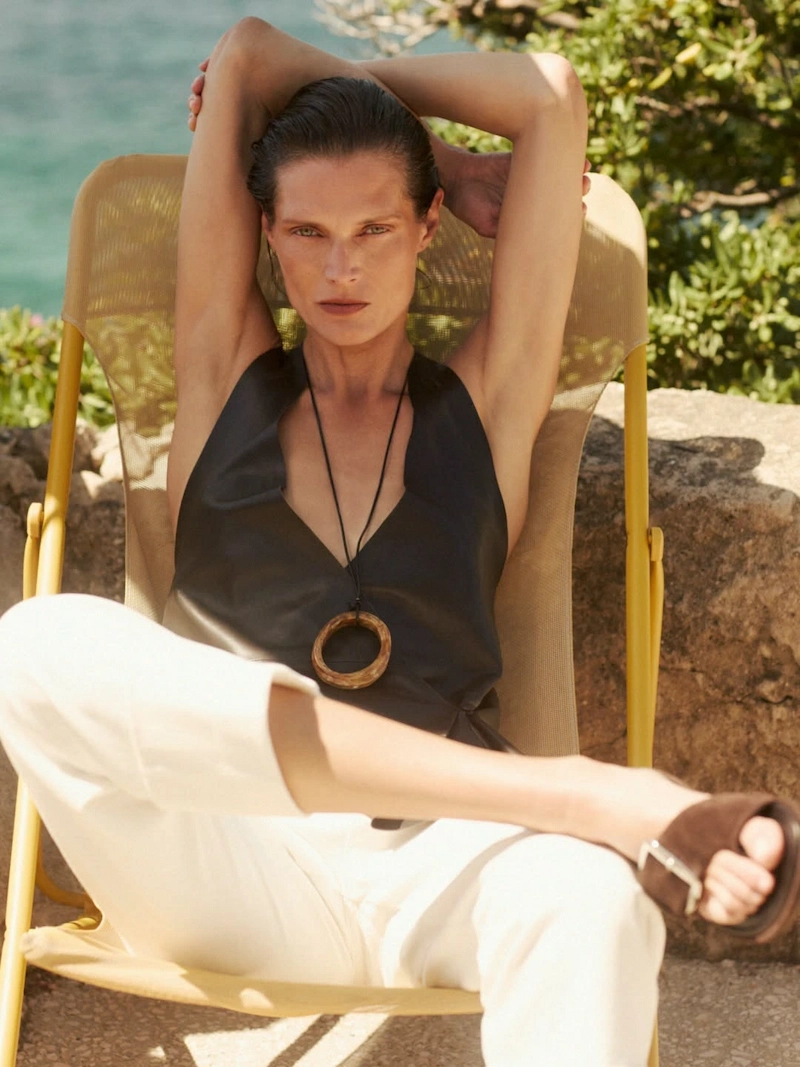
But the real gossip is further down the list. Massimo Dutti rockets up eight places — the biggest climb of the quarter — after search demand jumped 43%, thanks to Cannes red carpet visibility and a growing appetite for its easy, Mediterranean-coded wardrobe. Translation: everyone wants to look like they just stepped off a yacht they don’t own, and Massimo Dutti is happy to sell them the linen shirt for it.
Celine climbs five spots on the back of a 31% jump in searches, largely credited to Michael Rider’s increasingly confident direction of the house. And Phoebe Philo makes her Index debut entirely — a brand with a notoriously restrained retail footprint proving that scarcity, done right, is still one of fashion’s most reliable love languages.
The Season Shoppers Actually Dressed For
If the last few Lyst Indexes were shaped by the aftershocks of a creative-director-shuffle era, this quarter had a simpler plot: it got hot, and everyone needed sandals immediately. Record-breaking heatwaves across the Northern Hemisphere sent shoppers sprinting toward jelly shoes, barely-there heeled sandals, oversized shield sunglasses, and anything that could plausibly be described as “breezy.”
The hottest product of the quarter wasn’t even a fashion piece in the traditional sense — it was a New York Knicks cap, which saw a jaw-dropping 4,276% rise in searches quarter-on-quarter, riding the wave of NBA Championship mania. Sport, generally, had an excellent few months: Wimbledon, the World Cup and various athlete off-duty fits turned courtside style into one of the industry’s most effective discovery engines. If you want to understand 2026’s version of “quiet luxury,” apparently it now wears a jersey.
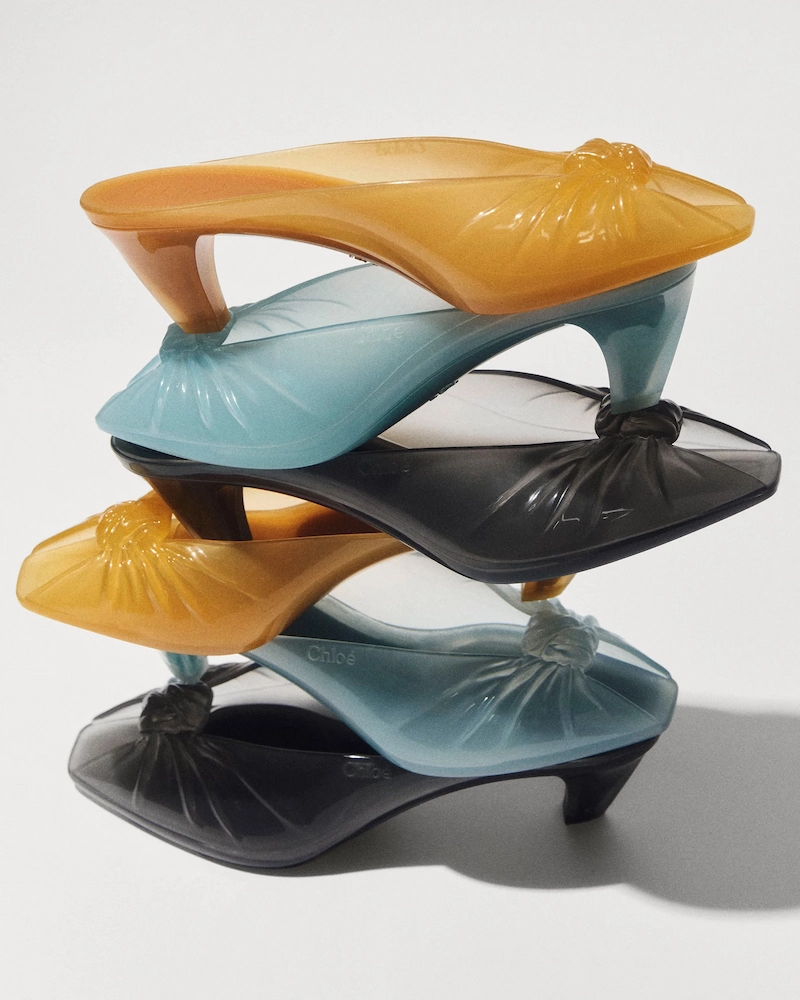
Meanwhile, the rest of the hottest products list read like a packing list for a very stylish beach holiday: Issey Miyake’s Madame-T Stole, Skims’ Jelly Shoes, Gucci’s Vittoria Heels, Chloé’s Jelly Mules, and Zimmermann’s Daylight Dress all made the cut. Jacquemus also returned to the Index entirely, riding the same vacation-brained wave, proving that when the temperature rises, so does everyone’s desire to dress like they’re perpetually somewhere near the Mediterranean.
Elsewhere, smaller labels made outsized noise. Thai label Voranida saw demand surge 232% year-on-year, Toronto’s Literary Sport rose 231%, and Issey Miyake posted a flat 100% jump — proof that virality doesn’t discriminate by size, and a well-timed cultural moment can outrun decades of brand heritage overnight.
The Map to Modern Luxury
THE CURATED CALENDAR
Discover the world’s most prestigious gatherings & exhibitions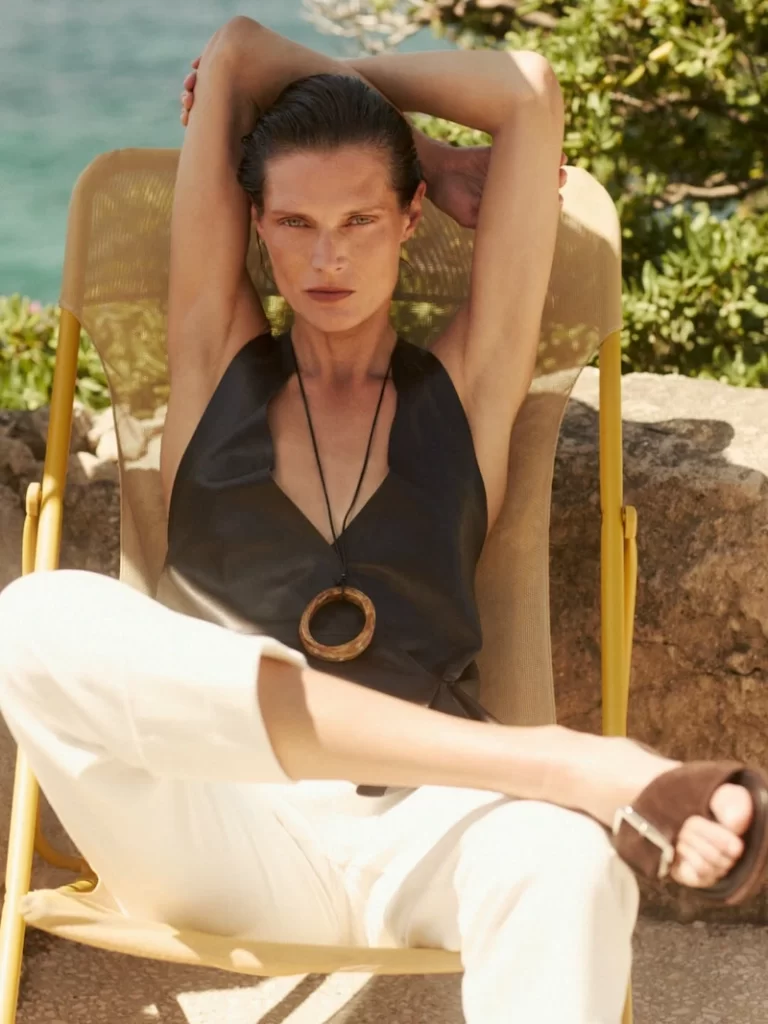
So, What Is the Lyst Index Actually Measuring?
Here’s the bit that matters if you want to sound clever at a dinner party: the Lyst Index isn’t a sales chart, and it’s not a “best dressed” list either. It’s built on three pillars — Desire, Demand, and Discovery — pulled from roughly 160 million annual shoppers, layered with social, search, editorial, and even emerging AI discovery signals. It’s essentially an attention economy scoreboard, tracking not just what people bought, but what they searched for, lingered over, and talked about.
Crucially, the model is designed to filter out the noise. It excludes activity driven purely by discounting, so a brand can’t simply buy its way up the rankings with a 70%-off sale, and it strips out spikes caused by negative attention — meaning a PR disaster won’t accidentally read as “hot.” There’s also recency weighting baked in, which is why a single spectacular campaign, a Wimbledon cameo, or a viral collaboration can send a brand shooting up the list within a single quarter.
In short: the Index measures desirability momentum — how fast a brand is capturing genuine, aspirational attention right now, not how many units moved off a shelf. That’s why a one-of-one spacesuit collaboration or a single well-placed cap can move the needle as much as an entire ad campaign. It’s less a snapshot of what fashion sold, and more a live read of what fashion is thinking about.
The Takeaway
This quarter’s real headline isn’t a changing of the guard at the top — Chanel, Miu Miu and Dior are still comfortably at the podium, sunglasses in hand. It’s that the middle and lower ranks of the Index are where the actual drama lives: Massimo Dutti’s Cannes-fuelled sprint, Celine’s steady rise under new direction, Phoebe Philo’s quietly triumphant debut, and a basketball cap that outperformed most entire fashion campaigns combined.
If there’s a lesson buried in the numbers, it’s this: relevance beats reinvention. The brands that climbed fastest weren’t necessarily doing anything radically new — they were simply, unmistakably, in the conversation at exactly the right moment. Which, if the Lyst Index is to be believed, might be the closest thing fashion has to a formula for going viral without actually trying.
Here’s the full Q2-26 Lyst Index ranking:
- Chanel — (no change)
- Miu Miu — ▲2
- Dior — (no change)
- Saint Laurent — ▼2
- Gucci — (no change)
- Prada — ▲1
- Ralph Lauren — ▼1
- Burberry — ▲1
- Coach — ▼1
- Massimo Dutti — ▲8
- Chloé — ▲3
- The Row — ▼1
- Versace — ▼1
- Bottega Veneta — ▲1
- Celine — ▲5
- Moncler — ▼3
- Loewe — ▼1
- Phoebe Philo — new entry
- Jacquemus — re-entry
- Stone Island — ▼3

2 thoughts on “Fashion’s Report Card Is In: Decoding the Q2-26 Lyst Index”
Comments are closed.