The first quarter of 2026 has brought a genuine inflection point to Champagne. As the industry navigates sustained financial headwinds, two distinct pillars are shaping the conversation: Regenerative Integrity and cautious Market Stabilization. While the major LVMH houses managed a significant labor dispute, the secondary market is showing its first real green shoots after a prolonged correction.
1. The “Most Admired” Dynasty Continues
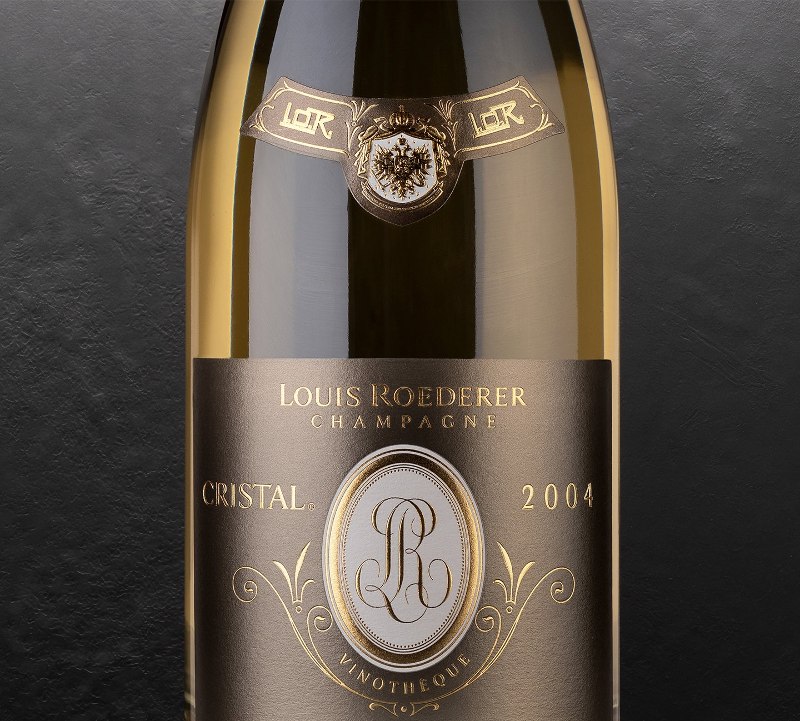
The annual Drinks International poll has confirmed what many in the industry expected: Louis Roederer has retained its title as the World’s Most Admired Champagne Brand for 2026, marking seven consecutive years at the top. The podium remained unchanged, with Krug and Bollinger completing the top three for the third year running. The list itself is now 40 houses strong, voted on by several hundred of the world’s most knowledgeable champagne voices — sommeliers, retail buyers, and specialist writers. The distinction carries extra symbolic weight this year, as the Maison celebrates its 250th anniversary along with the 150th anniversary of its iconic Cristal cuvée.
2. The Regenerative Milestone: Maison Telmont
On January 6, 2026, Maison Telmont became the first Champagne House to be awarded Regenerative Organic Certified® (ROC™) status, at the Bronze level, for its organic-certified vineyards. The certification was conducted by Ecocert Environnement after months of rigorous auditing. Leonardo DiCaprio, one of the house’s four backers, hailed the milestone, saying that by pioneering sustainable winemaking practices, “Telmont is continuing to shape the future of the industry.”
Why it matters: organic viticulture remains an anomaly in the region, with only 8% of the appellation currently under organic certification. Telmont’s achievement is being seen as a potential blueprint for others to follow. Already, 70% of its own vines are certified organic, and the house has committed to converting 100% of its estate and partner vineyards by 2031, with a goal of reaching Net Zero by 2050. The house’s sustainability commitments also include a ban on air freight and a move toward lighter-weight glass bottles.
3. Labor Stability Returns to the LVMH Champagne Houses
Workers at Moët Hennessy Champagne Services staged strike action on January 15, 2026, after a call from the French union CGT, following the decision not to pay the annual profit-sharing bonus for the first time since the company was founded in 1968. According to the CGT, that bonus typically accounts for between 15 and 30% of employees’ annual salaries.
By February 2, 2026, LVMH’s champagne arm — covering Moët & Chandon and Veuve Clicquot — reached a deal with labor representatives. The agreement provided one-off compensation payments of at least €3,300 per employee, and followed a similar deal concluded at LVMH’s Hennessy cognac unit the week before. The resolution returned the houses to full production capacity ahead of the spring shipping season.
4. The 2026 Market Pivot: Cautious Green Shoots
After a prolonged correction, the secondary market for fine wine — including Champagne — is showing real but measured signs of recovery. The Liv-ex Fine Wine 100 Index has now risen for six consecutive months, signalling stabilisation after the 2022–2025 correction, with demand returning across leading regions including Bordeaux, Burgundy and Champagne.
January 2026 trade value on Liv-ex was 21.7% higher than December 2025, with volume up 27.9%. Top Champagne was the leading sub-index in January, with the Liv-ex Champagne 50 up 0.8%.
However, experts urge measured optimism. Liv-ex’s head of market intelligence noted that “we do not expect it to be smooth sailing from here,” warning that the market as a whole is expected to “bump along the bottom throughout 2026.” The recovery is real, but it is gradual and selective — driven primarily by older and rarer vintages of top Bordeaux and Champagne, at valuations that remain 25–30% below their previous peak.
5. The Trend Toward Lower Dosage Styles
The broader industry shift toward Extra Brut and Zero Dosage (Nature) styles is a well-documented and ongoing trend, driven by a collector palate increasingly focused on terroir expression and minimal intervention. This aligns naturally with the regenerative and organic viticulture movement gaining ground across the region — and with the “foraged fine dining” philosophy taking hold at the top Mediterranean resorts this season. No specific statistical claim for 2026 has yet been confirmed by industry data.