Put away the gallery guides – art is best when shrouded in mystery

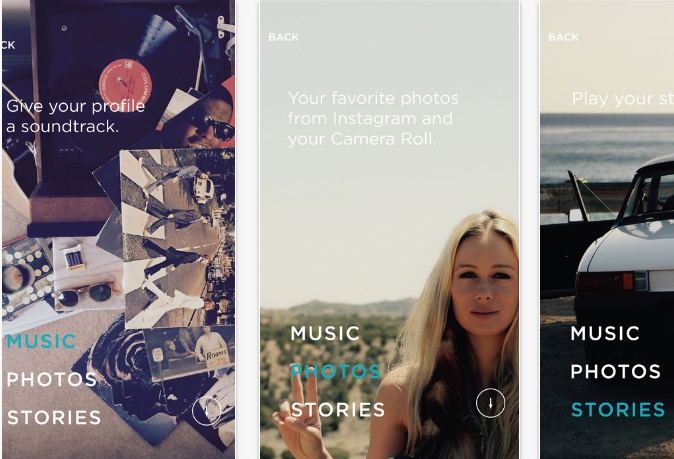
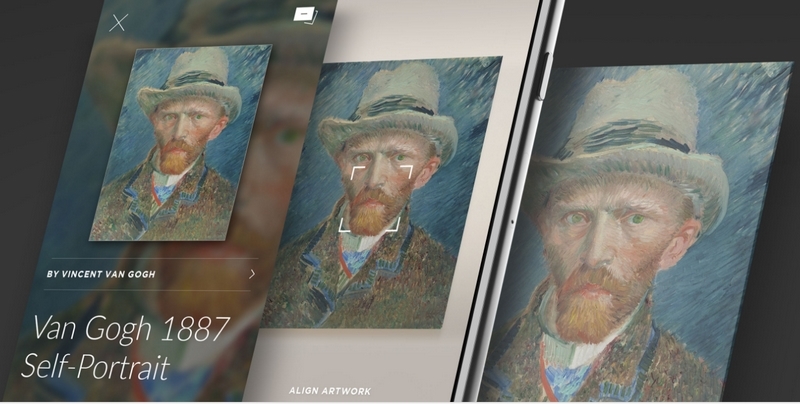
A new app, Smartify, allows you to point your phone at artworks and instantly know everything about them. But while facts can enrich enjoyment, it is the shock of the unknown that really makes art resonate

SpaceX to launch a tourist trip around the moon

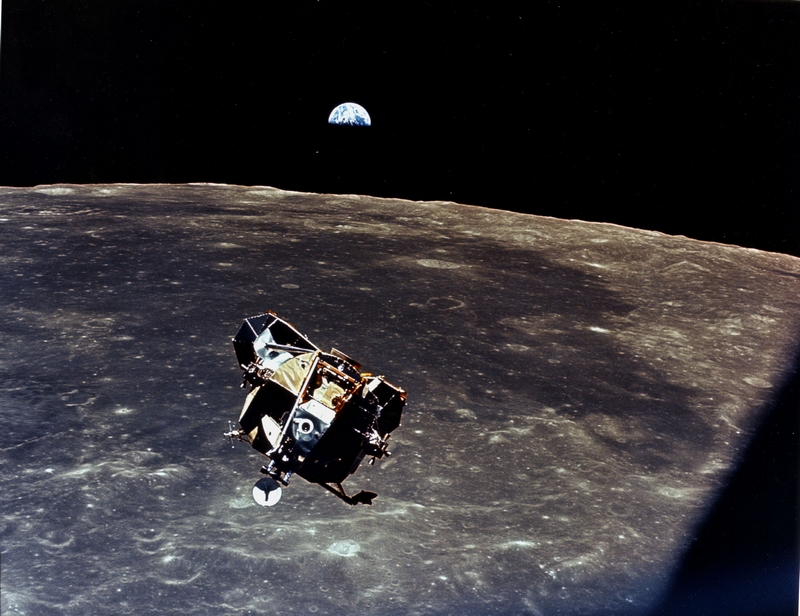
 I’ve got a ticket to the moon I’ll be leaving here any day soon … The CEO of Space Exploration Technologies Elon Musk announced that SpaceX has been approached to fly two private citizens on a trip around the moon. Targeted for late 2018, the space trip will use a space ship currently under development … Read more

2017 LVMH Innovation Award to give startups the opportunity to make the luxury sector evolve

LVMH Innovation Award for start-ups will open the doors to Luxury Lab at Viva Technology 2017. Apply online and start the journey.
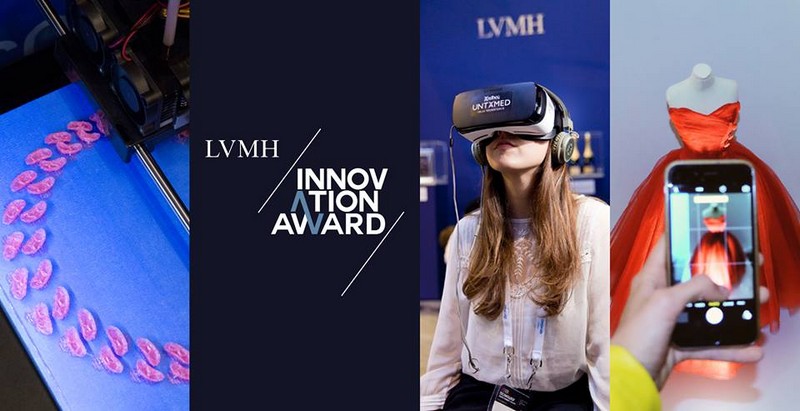
LVMH prize for innovation 2017
LVMH Innovation Award searches for fresh ideas. The inaugural LVMH Innovation Award to be launched at Viva Technology 2017.

In conjunction with the second edition of the Viva Technology 2017, LVMH Luxury Group will present an award to a start-up from the luxury-related sector. LVMH will open the doors to Luxury Lab again this year and engage even more deeply with the start-up ecosystem by launching the LVMH Innovation Award, which will recognize a start-up from France or another country.

The 2016 Viva Technology show drew over 45,000 participants and 5,000 start-ups. LVMH created the Luxury Lab for the event, a 500-square-meter space dedicated entirely to the luxury industry that welcomed around 40 start-ups.

The second edition of Viva Technology, the global rendezvous for game-changing digital transformation, is set for June 15-17, 2017 in Paris. This high-profile event – of which LVMH is a partner – provides an opportunity for leading businesses to engage with and build strong relationships with start-ups to help them grow.

“Support for young businesses is a tremendous driver for excellence across LVMH and a major source of innovation that contributes to the success of our Maisons,” noted Bernard Arnault, Chairman and Chief Executive Officer of LVMH.

The LVMH Innovation Award is open to any company created less than 5 years ago with a valuation of less than $100 million and whose business has a connection with LVMH Group sectors. Candidates are invited to apply online from 21 February to 31 March on the “LVMH Innovation Award” page of Viva Technology website.

A committee of experts representing LVMH Maisons, start-ups and investors will select a shortlist of 32 start-ups invited to be part of the LVMH Lab during the three-day event, giving them a chance to pitch their ideas and model to a broad audience. One of them will receive the first LVMH Innovation Award at the close of Viva Technology, and will meet LVMH Group teams in charge of private equity investments and discuss potential relationship with the Group and its Luxury Maisons.
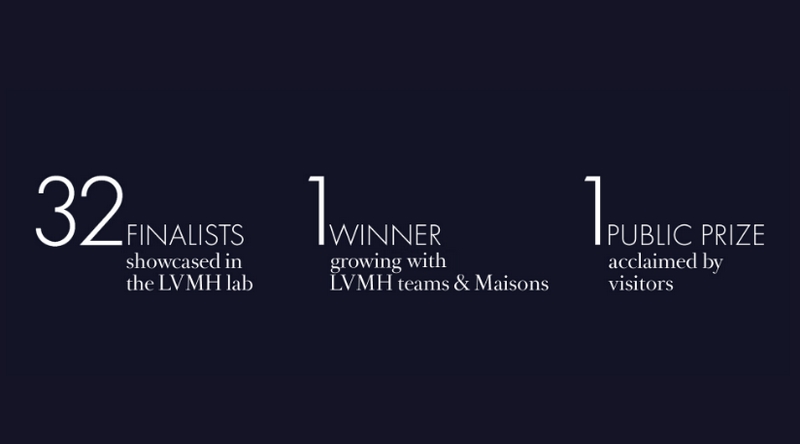
LVMH prize for innovation 2017-

Radical Innovation Award Winners: This drone hotel gives you the power to travel almost anywhere you desire

Can this idea have the power to transform the hotel industry? HOK’s Driftscape Drone Hotel Concept Wins 2016 Radical Innovation Award.

HOK’s Driftscape self-sustaining mobile hotel--

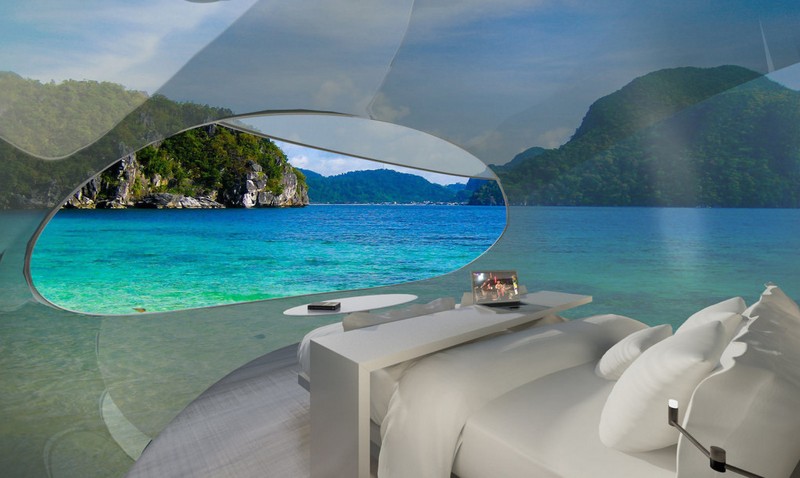
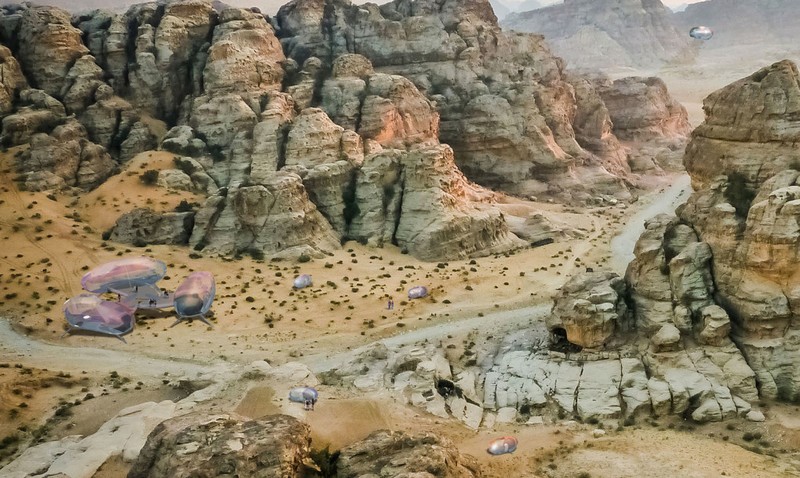
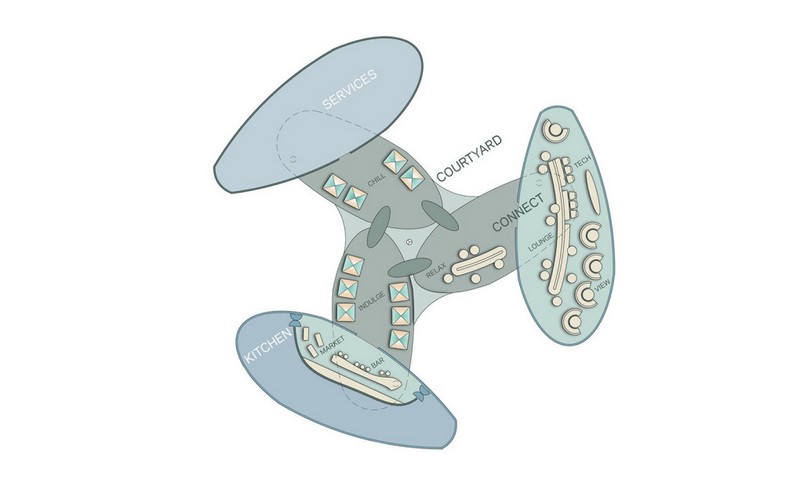
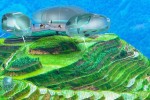
Driftscape, a mobile, self-sustaining high-end hospitality concept designed by HOK, a global design, architecture, engineering and planning firm, earned the grand prize at the 10th Annual Radical Innovation Award. HOK Driftscape is a self-sustaining mobile hotel conceived as egg-shaped pods.

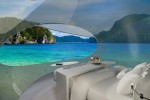
Through the use of drone technology, Driftscape allows guests to roam or touch down in diverse locations that were previously unattainable at traditional hotels. Inspired by the fundamental human urge to wander, Driftscape hotels are made up of several modular glass units for ease of construction and mobility. Components include the “Oasis,” featuring operational and community units with a food and beverage element, and the “Driftcraft,” a single volume guest room unit that provides 360-degree views to the outside world and is fitted for untethered excursions of two to three days. Driftcraft is designed to leave minimal impact on sensitive environments, says the design team.

HOK’s Driftscape self-sustaining mobile hotel-

https://vimeo.com/185504763

“To set off on an adventure, to leave all comforts behind and wander in pursuit of the unknown has been a fundamental urge of humankind throughout history,” says HOK’s team of experts. “We thus set out in search of a way to fulfill this urge, seeking a fully ‘immersive,’ significantly heightened guest experience and to provide a unique way to wander/drift and experience viewpoint of this amazing world we live in, from above and within.”

“What excites us about Driftscape is that the idea of journeying to unreachable, remote areas has long-been a key aspiration of hotel owners, developers and travelers,” said Randa Tukan, IDC, LEED AP, director of interior design for HOK in Canada. “This concept would make that a reality.”

“We strive to think of what could be in the future based on our research, insight and experience,” added Ian Rolston, LEED GA, a senior project interior designer in HOK’s Toronto office. “Our vision was guided by Jules Verne-inspired iconography, combined with 21st-century technology. By reimagining current technology, we have devised a concept that could be built in the foreseeable future.”

Submission for the 2017 Radical Innovation Awards Competition is now Open! Please, visit the submission link . 

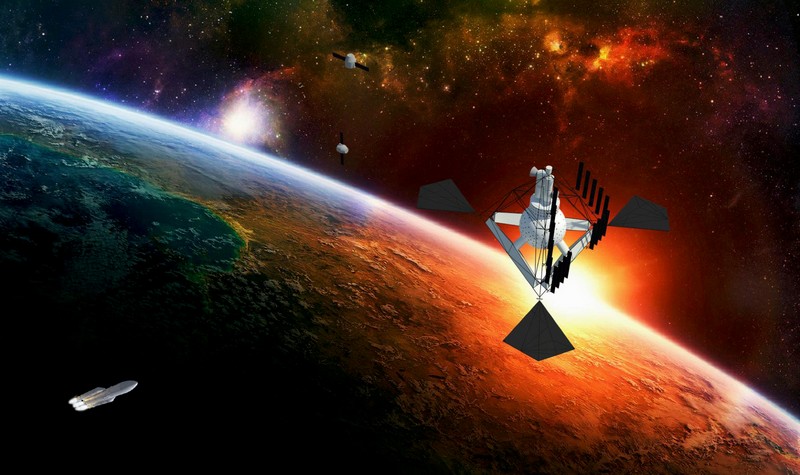
Space View Inn

Other winners include Space View Inn, a form of space travel that focuses on principles of transcendence and inclusion, and Nesting, completely customizable modular units for urban parks and landscapes.

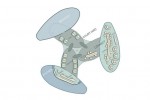
Current space structures are characterized by small, confined spaces not conducive to meaningful and enjoyable travel experiences. Space View Inn proposes using an expanded truss system to support and add boundaries to a main spherical volume that allows guests to experience incredible views as well as microgravity in a large interior space. Additionally, the concept proposes a more inclusive, democratic form of space travel by introducing a lottery system that makes the experience possible for ordinary individuals, as well the very wealthy.

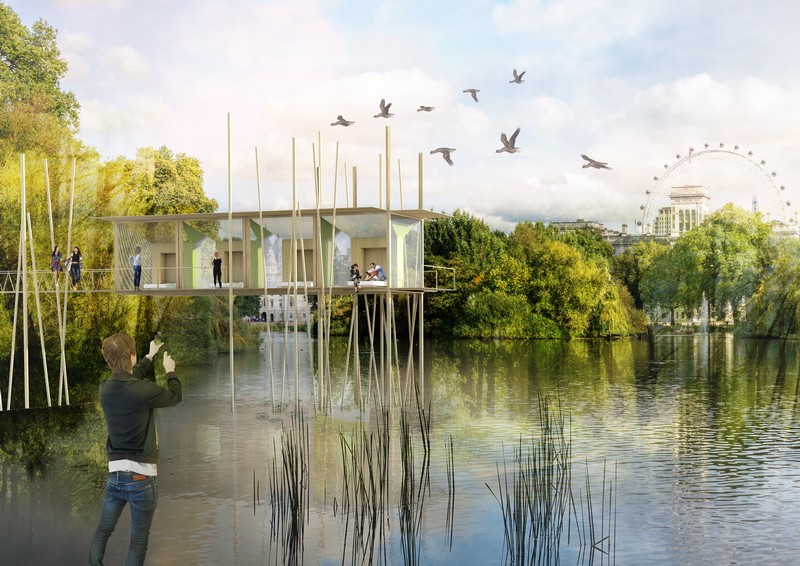
Nesting
Nesting reimagines how we utilize urban parks and landscapes through a partnership between public and private entities. In response to the shortage of available space within cities, the lack of funding for essential parks and public spaces, and increasingly confined, restricted urban lifestyles, Nesting proposes introducing smart, flexible private spaces that will generate new experiences as well as revenue. The completely customizable modular units may be connected for versatile uses from suites to meeting rooms, and aim to create a greater sense of wellbeing through interaction with nature, as well as community.

HOK’s Driftscape is a self-sustaining mobile hotel- HOK’s Driftscape is a self-sustaining mobile hotel HOK’s Driftscape is a self-sustaining mobile hotel conceived as egg-shaped pods HOK’s Driftscape is a self-sustaining mobile hotel conceived as egg-shaped pods -


Robots: 500 Years in the Making reveals the astonishing quest to make machines human

How long ago do you think the first robot was made? 20 years ago? 50? 100? In actual fact the history of robots stretches back at least 500 years.

Robots 500

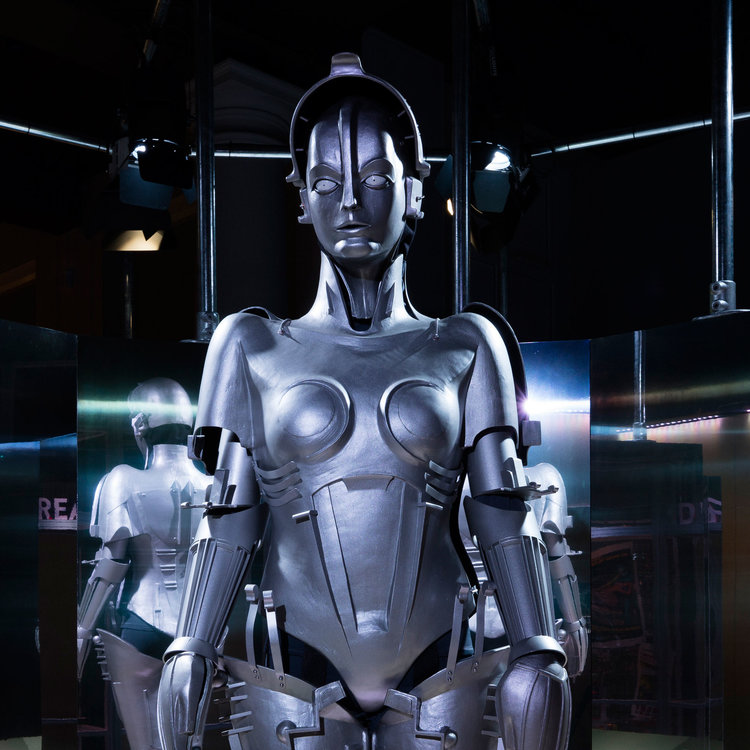
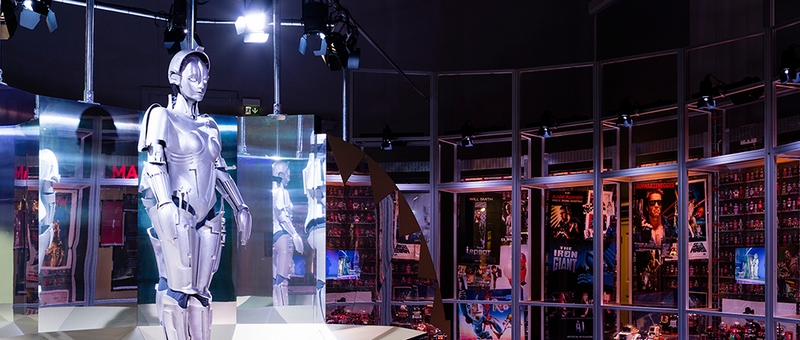
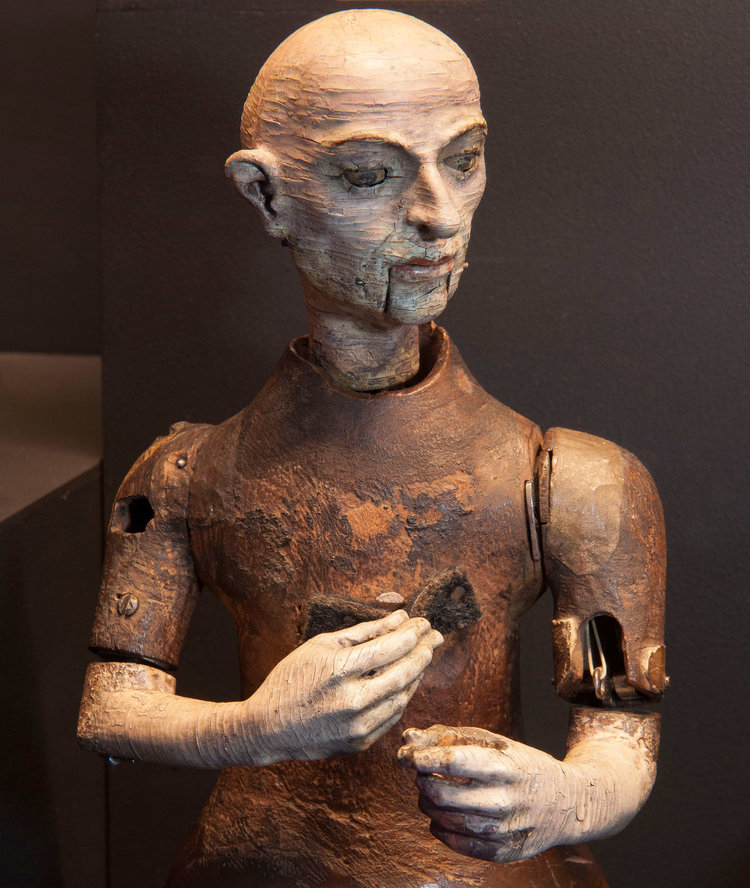
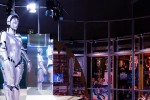
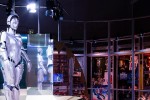
Robots: 500 Years in the Making, the new exhibition at Science Museum London, takes you on an incredible journey spanning five centuries, illustrated with robotic artefacts from around the globe from a 16th century mechanised monk to some of film’s most iconic robotic creations and the very latest humanoids.

This intriguing exhibition features a unique collection of over 100 robots, from a 16th-century mechanical monk to robots from science fiction and modern-day research labs. Set in five different times, Robots explores how religious belief, the industrial revolution, popular culture and dreams about the future have all shaped society through the incredible robots on display.

Recent developments from robotics research are also on show, with visitors able to explore how and, more importantly, why roboticists are building robots that resemble us and interact in human-like ways. The exhibition encourages you to imagine what a shared future with robots would be like, with visitors able to see the latest humanoid robots in action.

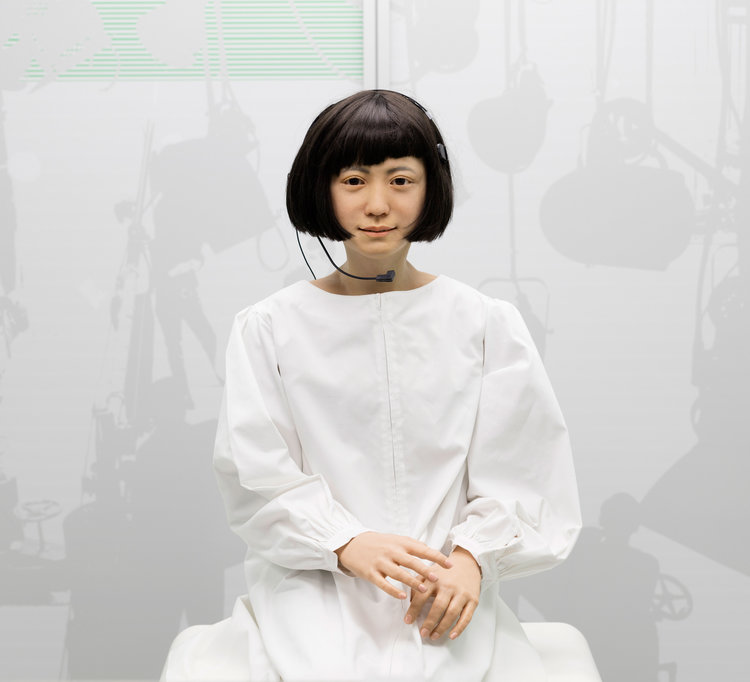
kodomoroid android

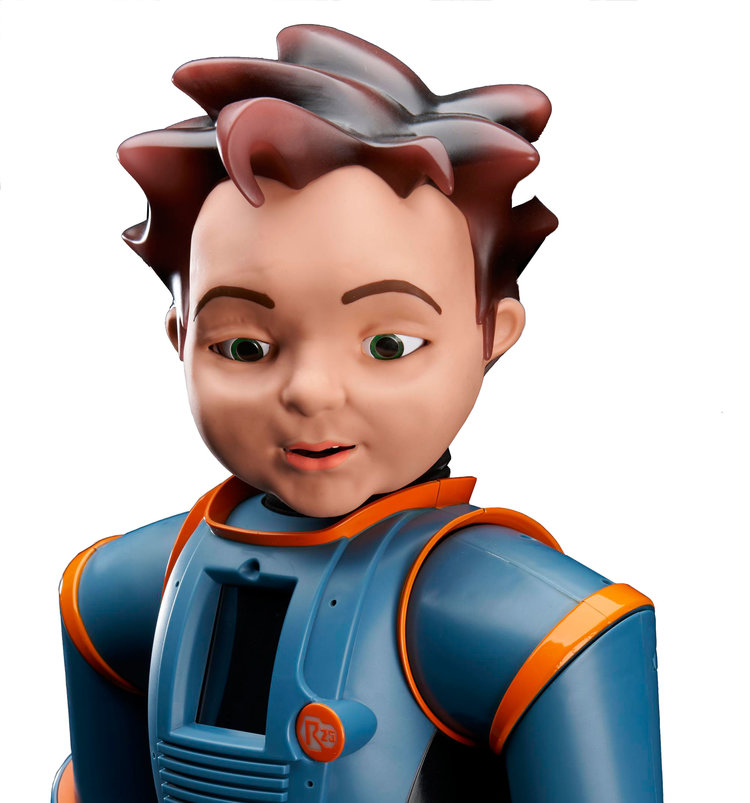
Visitors can watch as 16 mechanical forms spring to life and even interact with some of the robots on display. Inhka, once a receptionist at King’s College London, will be answering questions and offering fashion advice, Zeno R25 replicates visitor’s facial expressions and ROSA will move its camera ‘eye’ and head to watch visitors as they move. Every twenty minutes Kodomoroid, the most life-like android of its time, reads robot-related news bulletins, RoboThespian does vocal exercises and gives a theatrical performance and Nao, the most widely used humanoid robot in the world, stands (or sits if tired) to tell a story exploring how robots make decisions.
Ian Blatchford, Director of the Science Museum Group said: ‘Visitors to Robots will see the greatest collection of humanoids ever assembled. This stunning exhibition explores the fascinating question of why, rather than how, we build robots. To look through the eyes of those who built, commissioned or gazed upon these mesmerising mechanical creations over the past 500 years, reveals so much about humanity’s hopes, fears, dreams and delusions.’

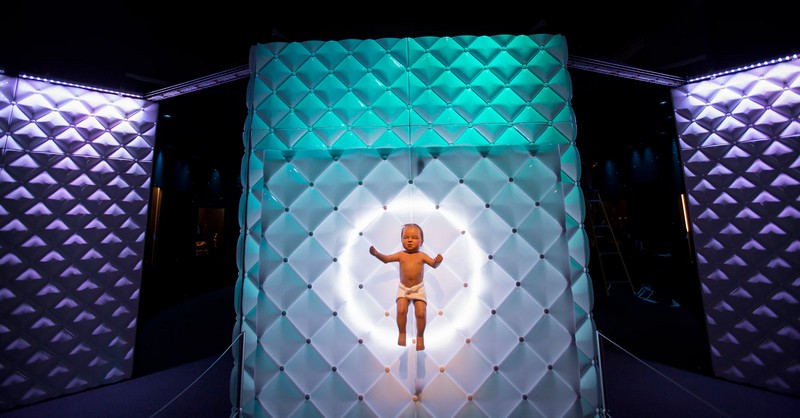
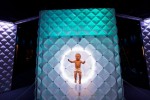
the robotic baby

The first robot visitors to the exhibition will encounter is an incredibly life-like mechanical human baby, recently acquired for the Museum’s new robotics collection. Usually made for use on film sets, this baby has no intelligence, making only pre-programmed movements (sneezing, breathing and moving its arms and legs) yet many visitors will feel strong emotions towards it.

Ben Russell, lead curator of Robots, said: ‘Coming face to face with a mechanical human has always been a disconcerting experience. Over the centuries, each generation has experienced this afresh as new waves of technology heralded its own curiosity-inducing robots. That sense of unease, of something you cannot quite put your finger on, goes to the heart of our long relationship with robots.’

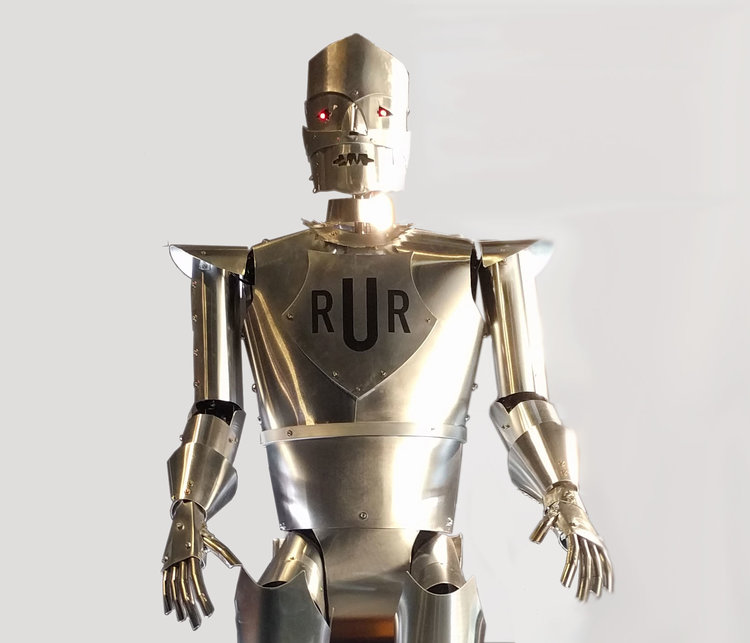
eric-the-robot   Automaton monk

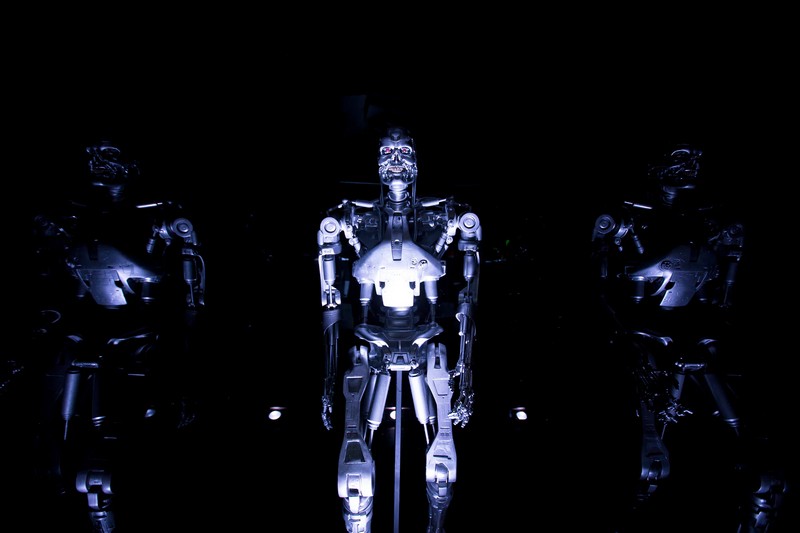
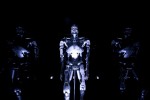
“Robots” have been at the heart of popular culture since the word ‘robot’ was first used in 1920. In the exhibition, visitors will come face-to-face with Eric, a modern recreation of the UK’s first robot, as well as Cygan, a 1950s robot with a glamorous past, and a T800 Terminator used in the film Terminator Salvation. The challenges of recreating human abilities, such as walking, in mechanical form is also explored, with visitors able to study the intricate mechanisms of the Bipedal Walker – rescued by curator Ben Russell from a forgotten basement cupboard – and Honda’s P2, two of the first robots in the world to walk like humans.
Robots is open daily until 3 September 2017.

Endoskeleton

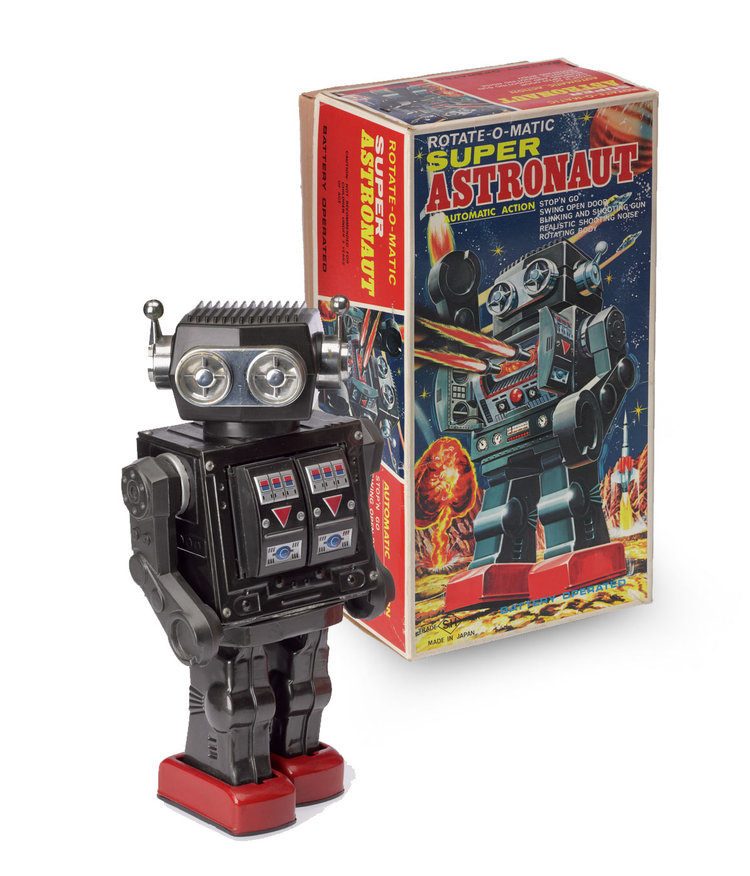
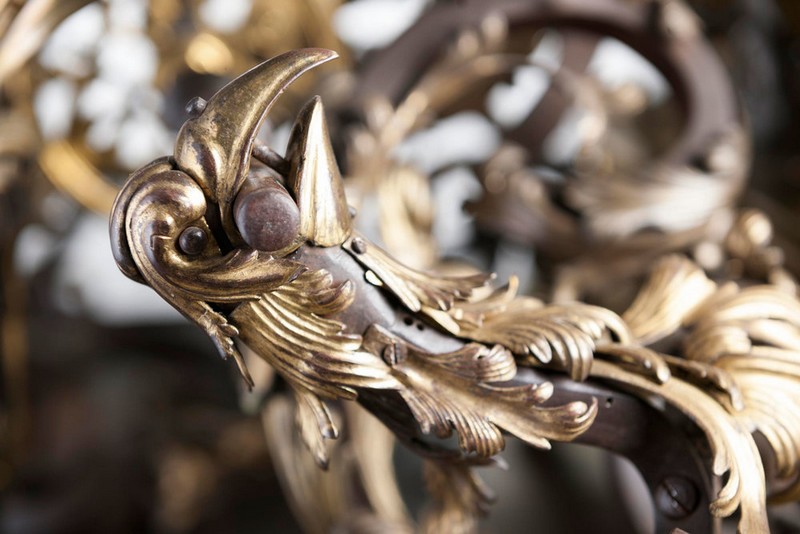
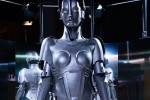
zeno R25 robot super-astronaut toy robot replica of maria the robot ornamental turning rose-engine lathe 1740 Germany


Barks and bytes: the rise of wearable tech for pets

Fitness trackers are not just for humans anymore – a growing range of electronic collars and cameras can help you monitor your pet’s location, activity and even emotional state