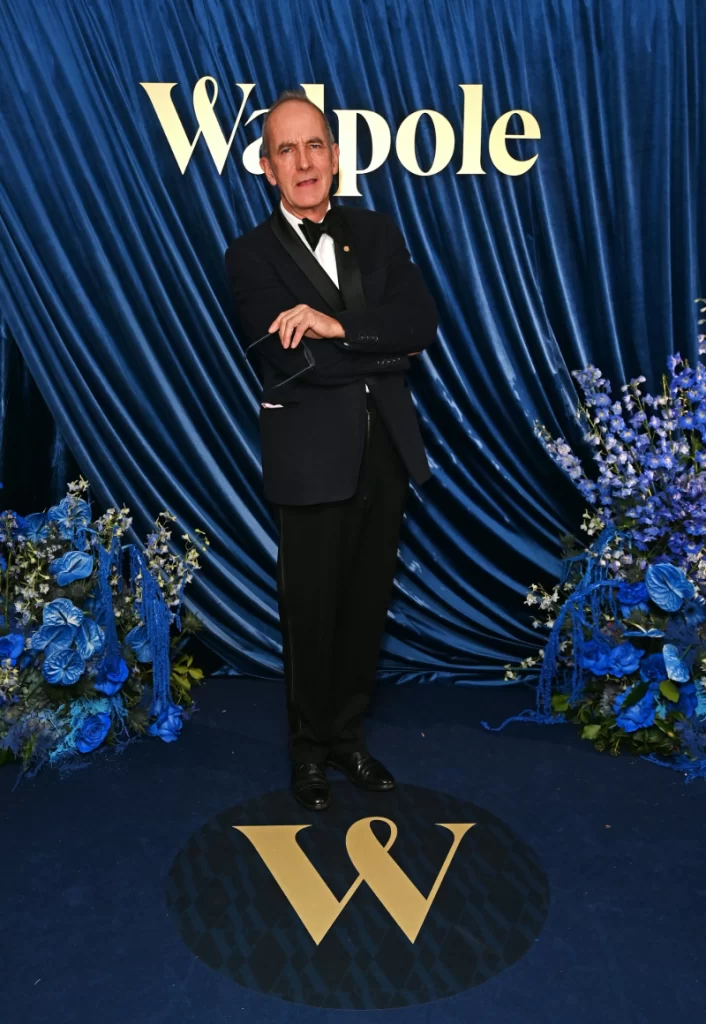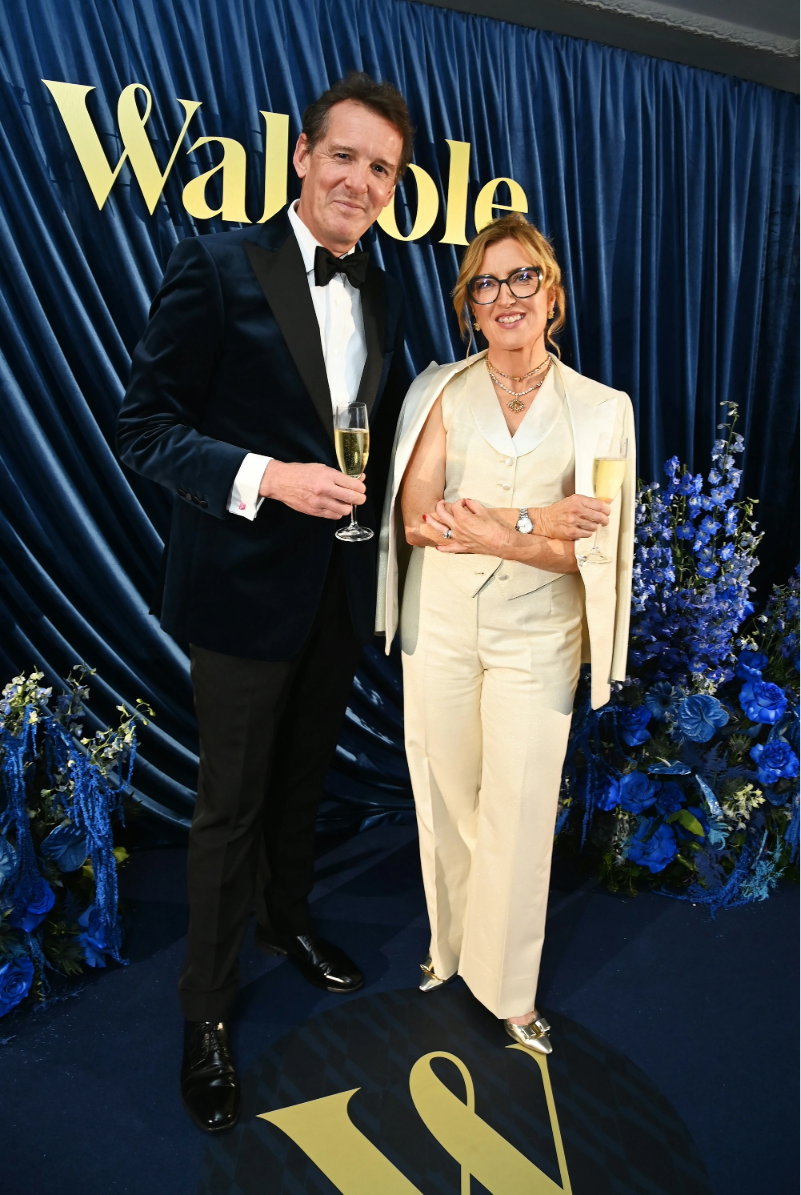
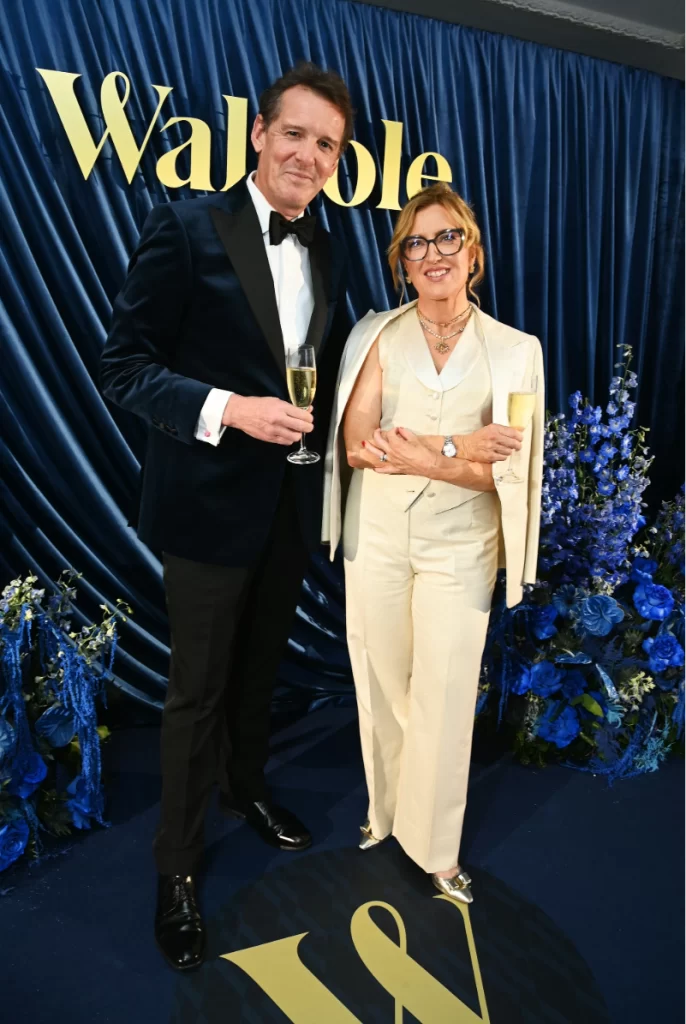
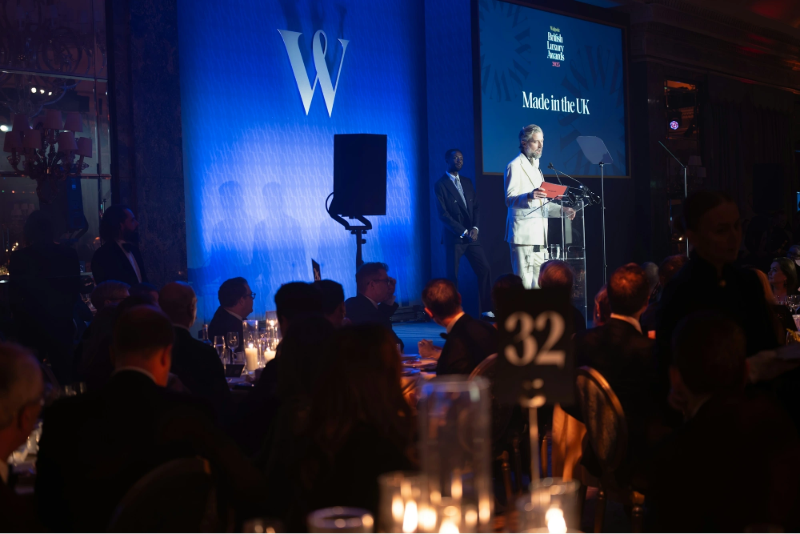
On Monday 9 November, at The Dorchester on Park Lane, a London ballroom will crown the British Luxury Brand of the Year. The organiser is Walpole, the official sector body for UK’s £81 billion luxury industry, with more than 250 member companies across fashion, cars, hospitality, beauty and interiors. The prize is not decided by a jury or by public vote. Every member organisation gets a vote, which makes it, in effect, an election held among peers. Last year’s winner was Gusbourne, the English sparkling-wine producer. This year, five names are in the running.
The five, briefly
John Smedley is the knitwear maker that claims to run the world’s oldest continuously operating factory, Lea Mills in Derbyshire, founded in 1784 and still family-owned. In the past year it added a second Royal Warrant, from Queen Camilla, alongside its existing one from King Charles, launched a capsule with the actor Bill Nighy and made two collections with the designer Grace Wales Bonner. It also reopened its mill to make clothes for other luxury houses.
Mulberry is the Somerset leather-goods house founded in 1971, best known for the Bayswater bag. Its two Somerset factories make about half its bags. Its “Back to the Mulberry Spirit” plan has brought new bag families, a collaboration with the actress Cynthia Erivo and new wholesale partners such as John Lewis, Liberty and Harvey Nichols.
Sabina Savage is a London scarf-and-accessories label built on hand-drawn, hand-rolled, hand-fringed silk, wool and cashmere, run by a self-funded team of six. Its work is stocked in more than 65 shops, from Fortnum & Mason to Bergdorf Goodman and Takashimaya, and one design appeared in The Devil Wears Prada 2.
Sanderson is the interiors house founded in 1860, famous for printed fabrics and wallpapers made in Loughborough and Lancaster. Its year centred on the Highgrove by Sanderson collection, made with the King’s Foundation, and on King Charles’s visit in May to its Chiswick headquarters, Voysey House.
Vispring has made hand-stitched mattresses since 1901, now with 180 craftspeople in Plymouth. It sells in nearly 1,000 stores in 68 countries and calls itself the UK’s largest bed exporter. This year it launched a collaboration with the designer Tom Dixon.
What Walpole’s shortlist is really saying
The first thing to notice is how little of it is glamour. There is no catwalk giant, no supercar, no palace hotel. Instead there is a mill, two factories, a printworks, a mattress workshop and a six-woman studio. Every finalist makes in Britain, and each tells that as the heart of its story. After years in which “heritage” often meant a logo and a licence, the list rewards places where you could, in principle, go and watch somebody work.
The second is the royal halo. Two Royal Warrants for Smedley, a royal visit and a royal collection for Sanderson: the monarchy is a serious engine of British luxury marketing. It is not only decoration. Sanderson’s own half-year report says the Highgrove collection has been its most successful launch to date and helped drive a 45% rise in Sanderson-brand sales in North America. A king’s endorsement, it turns out, travels well across the Atlantic. The flip side is dependence: a brand whose story leans heavily on one family needs a plan for the day the spotlight moves.
The Map to Modern Luxury
THE CURATED CALENDAR
Discover the world’s most prestigious gatherings & exhibitionsThird, culture is now a collaborator. Bill Nighy, Wales Bonner, Cynthia Erivo, Tim Walker, Tom Dixon, plus cameos in Bridget Jones and The Devil Wears Prada 2. Heritage brands are hiring storytellers, and the screen is the new shop window. It works, but it makes the entries sound alike. Read enough nomination copy and you begin to hear the same sentence in five accents.
Read the numbers, not just the copy
Shortlists are written, in large part, by the brands. The text should be read as advocacy, which is not the same as untrue. Mulberry offers the clearest test, because its results are public. In its latest financial year, to March 2026, revenue rose 4% to £125.5 million and the pre-tax loss narrowed to £8.9 million from £32.2 million, with the first 13 weeks of the new year up 23%. That is a genuine turnaround in direction: gross margin improved to 72% from 67%, the company says it has cut discounting, and it has hired Christopher Kane as creative director for ready-to-wear. But it is still a loss, and the nomination’s phrase “decisive turnaround” has to be read as “decisively heading the right way.”
Sanderson tells a similar story: group revenue was flat at £99.5 million for the year to January, then rose 6% in the first half of this year. John Smedley says it returned to profitability, a claim I couldn’t check against published accounts. The same goes for Vispring’s export figures and Sabina Savage’s growth. None of this is a criticism. It is a reminder that “brand of the year” means different things: the biggest growth, the best story, the finest craft, or the most admired by one’s peers.
The voters
There is also the matter of who votes. Walpole’s own pages show that membership fees run from £7,000 to £36,000 a year depending on turnover. The electorate, then, is the sector’s own community of paying members, and each of them knows the finalists personally. Peer review has real value: members understand the industry in a way the public can’t. But it favours brands that are well liked inside the room, and it makes the shortlist partly a measure of who has built the most goodwill with their colleagues. Last year’s win by an English vineyard rather than a fashion house hints that members are happy to reward newness and provenance, though one result is not a trend.
Where it points
If you read the shortlist as a map of British luxury’s bets, three themes stand out. Manufacturing capacity is becoming a strategic asset, as John Smedley’s decision to take in other houses and Loro Piana’s new knitwear centre in Italy both suggest. Training the next generation is now part of the pitch: Mulberry’s apprenticeship turns 20, Vispring helped found the country’s first mattress-making apprenticeship, Sanderson sponsors young designers. And scale is not the point. A studio of six sits on the same shortlist as a company with revenue of £125 million.
I won’t predict the winner, and the room on 9 November will have its own tastes. But the contest makes one thing clear: in 2026, British luxury is less about grandeur than about proof, in the form of hands, workshops and a king who pays a visit.