For decades, the beauty industry and the world of high-stakes biomedical research lived in two different neighborhoods. One dealt in serums and “glow”; the other dealt in immunology and life-saving vaccines. That wall just came tumbling down.
In a move that feels like a scientific “Avengers Assemble” moment, L’Oréal and the Institut Pasteur have signed their first-ever strategic research partnership. This isn’t just about making a better night cream—it’s about treating the skin as the “silent witness” to our internal biology.
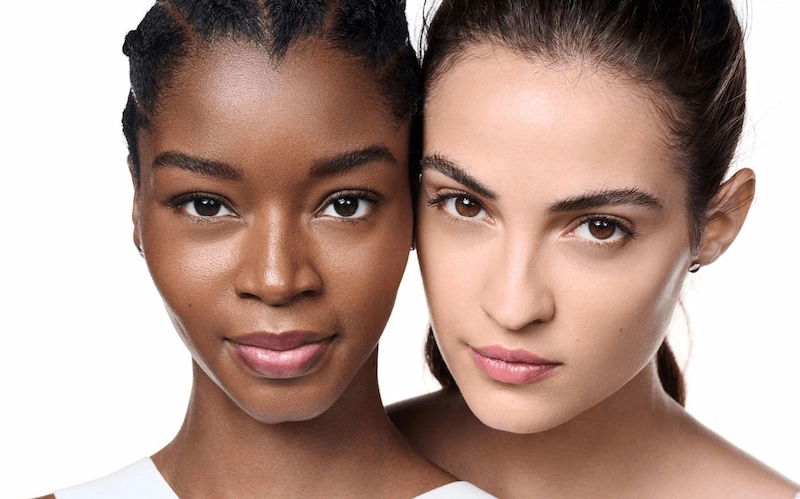
Why L’Oréal Just Checked Into the Institut Pasteur
The partnership merges the Institut Pasteur’s legendary expertise in immunology, microbiology, and biomarkers with L’Oréal’s massive database of skin science and technology.
The goal? To decode the “intricate dialogues” happening between our skin cells, our immune defenses, and the microbiome (the trillions of microbes living on us).
What they are hunting for:
Biological Targets: Identifying specific markers that predict how we age.
Next-Gen Actives: Creating ingredients that don’t just sit on the surface but actively support the skin’s barrier and immune integrity.
Systemic Health: Using the skin as a dashboard to reveal internal health conditions before they become visible elsewhere.
The “Glow-Up” of Biomedical Research
The Ultimate French Power Couple: You have the world’s leading beauty company and the world-renowned center for biomedical research (founded by Louis Pasteur himself). It’s the ultimate intellectual chic.
Skin as a “Dashboard”: Think of your skin less like a canvas and more like the “Check Engine” light on your car. If this partnership succeeds, your moisturizer might eventually be backed by the same level of science used to fight global pathogens.
Critical Notes: The Fine Line Between Health and Marketing
The “Medicalization” of Beauty: While this partnership is grounded in serious science, there is a long-term risk of “health-washing.” As beauty companies move deeper into the medical space, consumers will need to distinguish between products that support health and those that claim to treat medical conditions.
Data Privacy: As research focuses on biomarkers and microbiome mapping, the industry will face new questions about how our biological “skin data” is stored and used in the future.
Long-Term Expectations: Don’t expect a Pasteur-certified serum on shelves tomorrow. These agreements are “master research” pacts designed for long-term discovery. The real fruit of this labor will likely appear in 5 to 10 years as “biological beauty” becomes the new standard.
The Long-Term Vision
We are moving away from an era of “covering up” toward an era of preventative skin health. By treating the skin as a vital organ—equal in importance to the heart or lungs—this partnership signals that the future of luxury skincare isn’t just about looking good; it’s about a high-resolution understanding of how our body interacts with the world.
If skin is the mirror of our quality of life, L’Oréal and Pasteur are about to give that mirror a much needed cleaning.
The Map to Modern Luxury
THE CURATED CALENDAR
Discover the world’s most prestigious gatherings & exhibitionsThis “Avengers” alliance between L’Oréal and Institut Pasteur isn’t just a PR win; it’s a massive structural shift toward “Biomedical Beauty.” While the research is fundamental, the first “commercial” beneficiaries will be the brands already positioned at the intersection of dermatology and luxury.
Here is a prognosis of how this will trickle down through the L’Oréal portfolio.
Phase 1: The First Responders (Short Term 1–3 Years)
The initial “wins” won’t be new products, but rather scientific validation and re-formulations of existing star ingredients.
SkinCeuticals: As the leader in clinical skincare, they will likely be the first to integrate Pasteur’s research on biomarkers. Expect “Next-Gen” antioxidant serums that claim to protect not just against pollution, but against specific immune-system triggers that cause “inflamm-aging.”
La Roche-Posay (Dermatological Beauty): Though not strictly “Luxe,” this brand is the bridge. They will benefit from the microbiome research immediately, potentially launching products that target “hormonal skin immunity”—the first concrete project mentioned in the partnership.
Lancôme: As the “crown jewel” of the Luxe division, Lancôme will likely use this partnership to bolster their Génifique line. Expect a “Pasteur-inspired” evolution of their microbiome science, focusing on how skin immunity dictates skin “glow” and resilience.
Phase 2: The “Longevity” Revolution (Mid Term 3–7 Years)
This is where the new L’Oréal x Kering alliance and the House of Creed come into play.
The Kering Portfolio (Gucci, Saint Laurent, Creed): Since L’Oréal and Kering are exploring a joint venture in wellness and longevity, the Pasteur research on “accelerated aging” will be the engine. We could see the birth of a new “Super-Luxe” category: Longevity Skin-Health. *
Expect: Topical treatments that act as “biological shields,” using ingredients discovered through Pasteur’s screening of immune defenses. These will be high-ticket, exclusive “health-concentrates” sold through luxury boutiques.
Phase 3: The “Silent Witness” Era (Long Term 7+ Years)
In the long run, the goal is to turn skincare into preventative health management.
Bio-Sensory Beauty Tech: Imagine an LED mask (like the one L’Oréal debuted at CES 2026) paired with a skin patch that analyzes your microbiome in real-time.
Diagnostic Luxury: The “critical note” here is the shift from vanity to diagnostics. Luxury brands will offer “Biological Skin Maps” developed with Pasteur-level accuracy. Your moisturizer will be custom-compounded based on your internal “holistic health markers” revealed by your skin.
In the short term, expect a lot of “Science-Backed” marketing. In the long term, expect your luxury skincare to act more like a biological supplement than a cosmetic. The mirror won’t just tell you if you look good; it will tell you if you are well.