The unanimous inscription of “Italian cooking, between sustainability and biocultural diversity” onto UNESCO’s Intangible Cultural Heritage of Humanity list is more than a diplomatic triumph; it is a seismic cultural and economic event. For the premium and luxury industry, this recognition is the conferral of a Golden Halo, transforming an already formidable culinary powerhouse into a globally certified cultural asset.
This is a historic first for a national cuisine to be recognised in its entirety, moving beyond single elements—like Neapolitan pizza-making—to embrace the whole sistema: the rituals, the generational transmission of knowledge, the anti-waste philosophy, the conviviality, and the deep, symbiotic link with local territories and ingredients.
The Luxury Implication: From Product to Patrimonio
The UNESCO status acts as a global imprimatur of authenticity, a powerful counter-narrative to mass-market imitation and the insidious threat of “Italian Sounding.” For the luxury sector, the implications are profound:
Elevating the Made in Italy Narrative: The designation instantly reinforces the authenticity, quality, and heritage of all high-end Italian agri-food and wine products. From the most exclusive bottle of Barolo to the artisanal production of Aceto Balsamico Tradizionale di Modena, the value perception is now anchored in a globally-recognised, protected cultural practice. This strengthens export strategies and allows premium brands to command higher valuations by tying their product not just to a place, but to a certified culture.
The Rise of Experiential Culinary Tourism: The luxury travel segment, which constantly seeks exclusive and immersive heritage experiences, stands to gain immensely. Experts predict a significant surge in tourism, potentially up to 8% additional visitors over the next two years. However, the most valuable shift will be in the quality of the traveller. This recognition will fuel the demand for:
Hyper-local Immersion: Private, hands-on cooking classes with nonnas (grandmothers) in rural villages, deep dives into small-batch artisanal production, and stays on historic estates with certified sustainable practices.
Gastronomic ‘Pilgrimages’: Ultra-luxury itineraries that connect UNESCO World Heritage Sites (like the Prosecco Hills) with the newly recognised culinary traditions, creating seamless cultural journeys.
The Map to Modern Luxury
THE CURATED CALENDAR
Discover the world’s most prestigious gatherings & exhibitionsFine Dining as Cultural Preservation: Michelin-starred restaurants can now frame their menu not just as culinary innovation, but as a vital, high-art expression of a protected cultural heritage, justifying higher price points and attracting a discerning global clientele.
Safeguarding and Scarcity: The UNESCO mandate requires Italy to actively safeguard and promote these traditions. This focus on protecting biodiversity, local farming, and traditional skills is highly resonant with the luxury consumer’s increasing demand for sustainability, provenance, and rarity. It creates a compelling story of scarcity and preciousness around the raw materials, from heirloom wheat varieties to specialized regional cheeses.
A Note of Caution: Navigating the Crowds
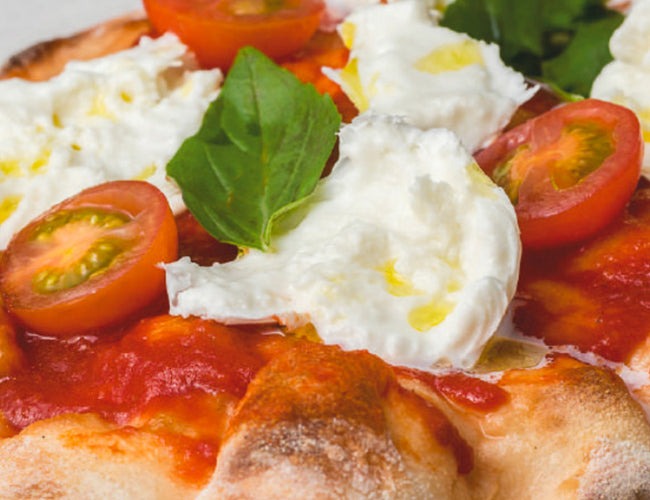
While the economic forecast is overwhelmingly positive, luxury stakeholders must be vigilant. Previous UNESCO listings, such as the art of Neapolitan pizza-making, have led to a spectacular boost in related professional courses and local tourism, but also raised concerns about “food gentrification” and overtourism.
The challenge for the premium sector is to champion the substance of the listing—the genuine community, sustainability, and intergenerational learning—and avoid the trap of turning Italy’s historic city centres into what some critics fear will become “gastronomic theme parks” catering to mass-market expectations of standardised, checklist dishes.
The true luxury implication is the ability to offer experiences that are beyond the brochure—to provide the access, the education, and the serene intimacy that allows the wealthy traveller to connect with the soul of this newly protected cultural treasure.