Wine quality gets you through the gate. Architecture, a table, a bed and a story get you on the list.
On November 18, in Santiago, a new “best vineyard in the world” will be crowned. The 2026 list is not public yet, so the clearest guide to why vineyards win is the 2025 edition, plus the one award already announced: Aya Estate’s One to Watch.
What the List Is (and Isn’t)
The 50 Best Vineyards (formerly The World’s 50 Best Vineyards) is published by William Reed, the British media company behind the 50 Best rankings of restaurants, bars and hotels. It reflects the votes of more than 700 wine and travel experts from around 20 regions; each voter nominates seven vineyard experiences open to the public, with no fixed checklist of criteria. Forbes summarized the result as an assessment of visitor experience rather than wine quality alone. That is the key to everything below.
The 2025 Podium, Decoded
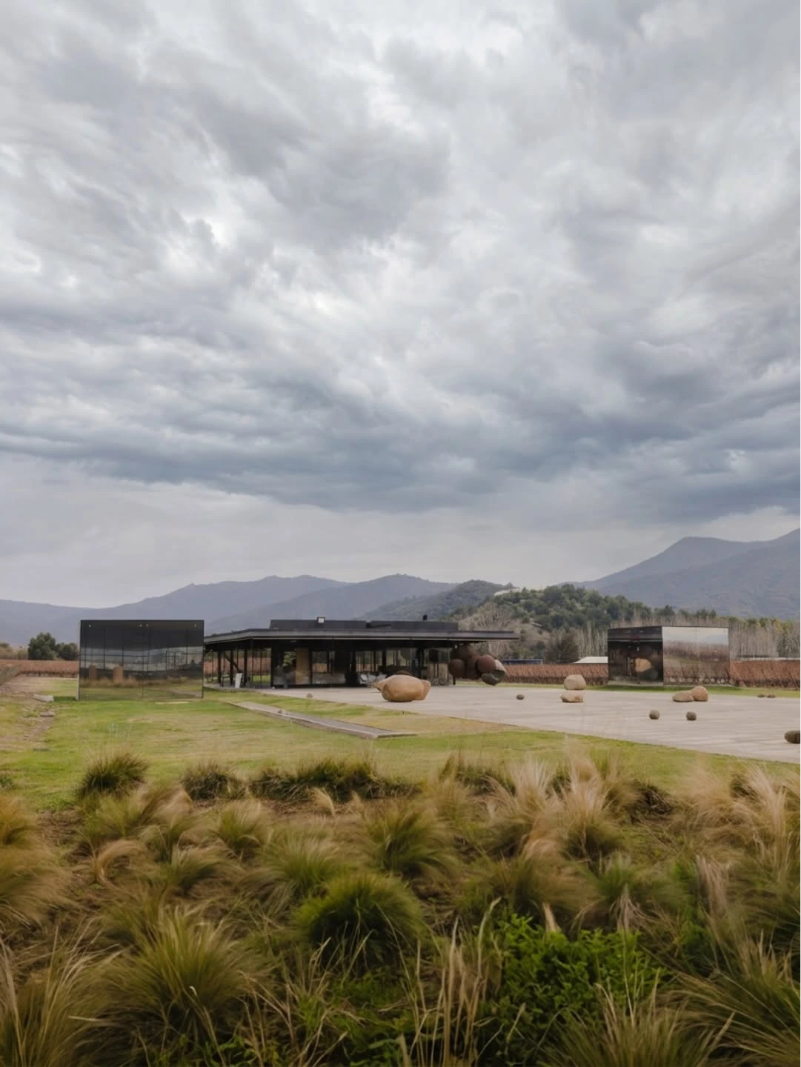
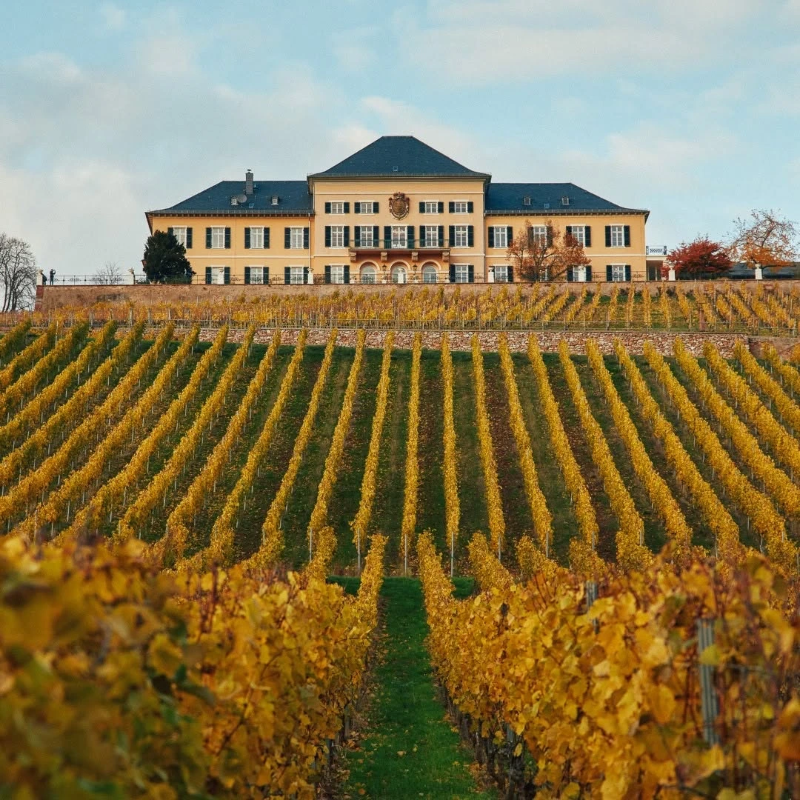
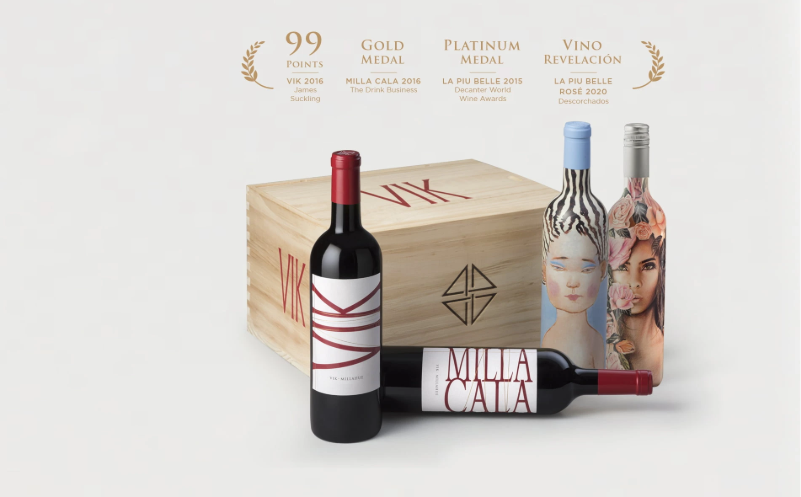
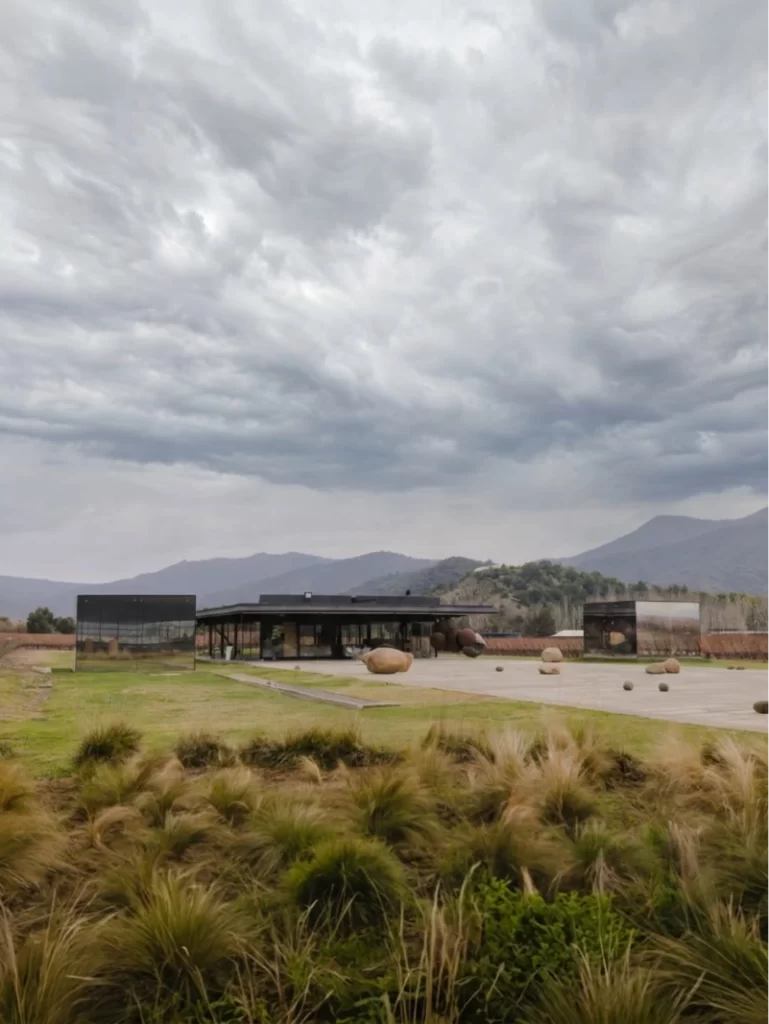
Vik (Chile, No. 1, up from No. 2) sits within roughly 4,400 hectares of nature reserve, with about 327 hectares of vines across 12 microclimates, a bronzed titanium roof that floats above the winery, a restaurant, 22 individually styled rooms and horseback and trekking activities. Schloss Johannisberg (Germany, No. 2, Best in Europe) has made wine since 817 CE, claims the world’s first dedicated Riesling vineyard (1720), and lets visitors into 900-year-old abbey vaults. Bodegas Ysios (Spain, No. 3) leans on avant-garde architecture, and Bodega Garzón (Uruguay, No. 4) opened only in 2016 yet pairs its wines with Francis Mallmann’s open-fire cooking. Klein Constantia (South Africa, No. 6) won Best in Africa and Highest Climber, rising 35 places.
The “cumulus” of factors behind those results:
- Architecture as a headline. Vik and Ysios are destinations before anyone tastes a drop.
- Landscape at scale. Reserves, microclimates, altitude (Colomé, at 3,111 metres) turn terroir into scenery.
- Stay overnight. Rooms and villas turn a visit into a short break.
- A chef, not just a canteen. Garzón proves a newer estate can compete at once with a serious kitchen.
- Heritage you can enter. Johannisberg’s vaults, Ruinart’s chalk cellars, and Château d’Yquem opening to public tours only in 2016.
- Signature activities. Helicopter tours, horse carriages, Gregorian chants in the cellar.
- Momentum and story. Rising 35 places, or entering at No. 14 as Aperture Cellars did, makes news.
What It Means
For vineyards: the ranking rewards hospitality capital, not just winemaking. That favors estates with money, space and public access, and leaves excellent small producers invisible. Tourism becomes a second business line, with all the risks of a hotel and restaurant operator.
For the wine industry: visits are marketing. A guest who sleeps among the vines becomes a direct customer and a story-teller, a route to drinkers that doesn’t depend on shelves. (That is my reading, not the organizers’ claim.)
The Map to Modern Luxury
THE CURATED CALENDAR
Discover the world’s most prestigious gatherings & exhibitionsFor tourism: governments now treat the list as destination branding. Western Australia partnered on the 2025 ceremony; for 2026, the Santiago Regional Government is Official Host Partner, and Vik moves into the Hall of Fame at the ceremony, so a new winner is guaranteed. Host cities want the spotlight, and Chile placed six estates in 2025.
Emerging Trends
- South America’s rise: around a quarter of the 2025 places, from Chile, Argentina and Uruguay.
- New geographies: Georgia (Château Buera), Hungary (Tokaj) and Lebanon entered the list; Bulgaria gets One to Watch.
- Sustainability as credential: B Corp (Brooks) and biodynamic (Maysara) estates appear in the top 50.
- The art-and-wellness estate: Aya combines Ayart (a 3,000 m² art hall), a boutique hotel, villas and glamping, several restaurants, an eco-farm, horses and a mineral-water spa. It is the 2025 formula in miniature, which is why it earned One to Watch.
A Critical Reading
Rankings are also businesses: the 2025 No. 1 was sponsored by Resy & Tock, and the 2026 partners include SevenRooms (booking), Doordash, Latam Airlines and Grupo Liderazgo. That doesn’t invalidate the votes, but it shows the list is an events and travel platform. And with no fixed criteria, the list captures “what experts loved” rather than a measured standard. Treat it as a travel shortlist, not a wine-quality score.
Humor break: somewhere, a winemaker is quietly wondering whether next year’s grape harvest should include an architect.
