Enter the Era of Biodynamic Deep Sea Vintage Champagne!

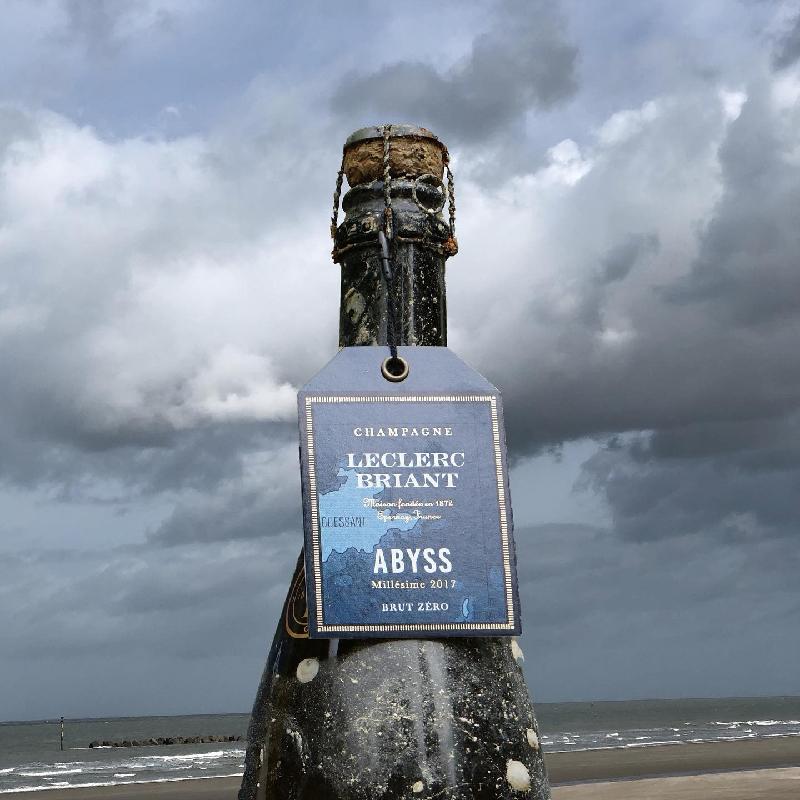
@Champagne Leclerc Briant Abyss 2017, limited edition/ @leclercbriant.fr

 By Philippe Mihailovich & Caroline Taylor
Paris 2 June 2023

This year’s 1.618 Paris Sustainable Luxury fair served to be a perfect platform for France’s oldest biodynamic champagne house to introduce itself to those who seek out ethical and eco-sustainable products and creations. For the discreet, under-the-radar and privately-owned, biodynamic champagne pioneer, Leclerc Briant, it was a strong statement that they were making, that being, “We are back with a vengeance!”

Founded by the novice winegrower, Lucien Leclerc in 1872, the vineyard took the lead in developing a more natural way of growing grapes and making champagne, and it has been raising the bar for the industry ever since. After many years of organic farming and experimenting with biodynamic viticulture on it’s Cumières estate, the practice was extended to their entire 30-hectare vineyard spread between Cumières, Damery, Epernay, Hautvillers and Verneuil. Each generation added a few steps forward, and sometimes backward. For instance, Pascal Leclerc-Briant, the 5th generation head of the house who was very attached to tradition, reintroduced animal ploughing on the estate.

When he passed away at the early age of 60, none of his four daughters had the will to continue the saga and began selling off their land to famous competitors such as Roederer and Bruno Paillard. Ten years ago, before the house could close, a wealthy and dynamic American ‘investment’ couple, Denise Dupré and Mark Nunnely *, who are known to share a passion for the French art of living, bought what was left of the estate on the encouragement of the visionary veteran champagne marketer, Frédéric Zeimett who had as a secret weapon, France’s leading biodynamic viticulture Cellar Master, Hervé Jestin – an established œnologist specialising in biodynamics. Along with many innovative ideas, Zeimett was able to ensure a certain continuity with the previous commitments of the House (1).

According to the ‘Natural Champagne Enthusiast, Content Marketer and Fizzyvines blogger’, Inge de Jong (2), “The Bretagne-born chef de cave, Hervé Jestin is known for his unconventional ways of making champagne as well as his unique experiments ; Abyss (The Deep Sea Champagne) is probably the most sensational example. Abyss is transported to Bretagne, where the champagne is put to rest at the bottom of the ocean near the island Ouessant. And it’s not even a marketing trick. Jestin believes the ocean waves resonate with the champagne so that it takes on its most natural form. This way of thinking illustrates the philosophy that both Jestin and the Leclerc Briant champagne house swear by: let nature lead the way and see what happens. Those are words to live by! », she states.” What’s also interesting is that all Leclerc Briant champagnes are certified as vegan, meaning there’s no use of egg whites or gelatine in the production process ».

« Many years of observation and experimentation have convinced Hervé Jestin, that humans, as regards their relationship with vines and wine, are capable of understanding and calling upon the intelligence inherent in Nature », the house states on its website. « His work has enabled him to define the principles of biodynamic resonance and to apply them, not only to the cultivation of vines, but also to the making of wine, a crucial field that is often overlooked.

Each stage of vinification at Leclerc Briant, from pressing the grapes to disgorging the champagne, is soft and natural. The wines are listened to and respected, nourished with the energy, the light and the life force of biodynamics so that they can express their full personality, without modification of any kind, in accordance with the unique energy of each vintage », the house explains. “After at least nine months ageing in barrel, the wines enjoy an extended period of ageing deep in the cellars. With little or no dosage they reveal themselves without artifice and with a purity that gives consumers an experience like no other. »

According to Gérard Muteaud (3) of the LVMH-owned business newspaper, Les Echos, Hervé Jestin has paid particular attention to the shape of the containers and respect for the golden ratio in the layout of the cellar to ensure that good vibes circulate: “If we consider that the vine is subject to external influences linked to nature and, in particular, to the lunar calendar, it seems obvious to me that these did not disappear once the grapes were picked. I’ve been working for a long time on the impact of these energies, whether they come from man or nature, on the quality of wines. The influence of the solstices and equinoxes on alcoholic fermentation is well known, as is that of the planet Mars on malolactic fermentation. My job is to provide the material with the information it needs to get through these delicate phases as naturally as possible. The principle is to let the wine follow its own rhythm, without trying to push it in any particular direction. We simply accompany it, leaving it as close as possible to its natural state.

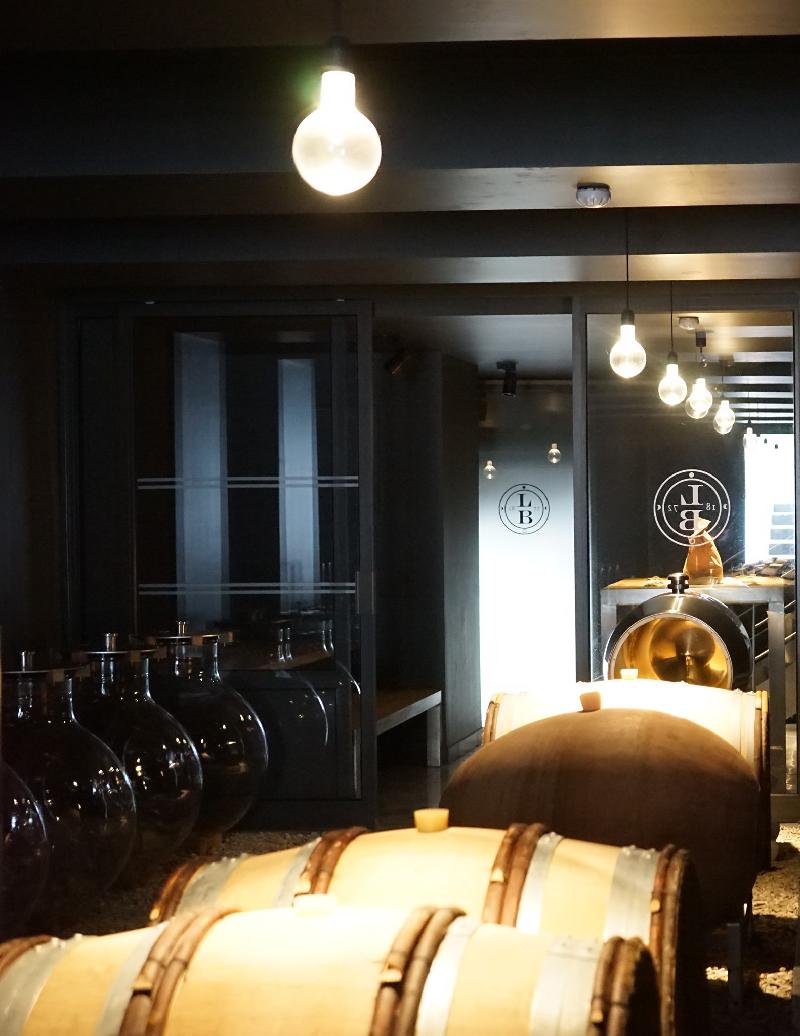
In the centre of the cellar, amidst the oak barrels, horizontally arranged terracotta eggs and glass spheres, sits a strange stainless steel barrel called ‘Goldorak’, the inside of which has been covered in gold (the equivalent of an ingot!). Gold has a powerful, alchemical symbolic dimension,” explains Jestin. It resonates with solar and cosmic activity. Terracotta echoes the earth’s magnetic field. Oak forms the link between the cosmic and the telluric. I thought it would be interesting to blend the wines matured in these three containers. All you have to do is taste them to see that they are different”.
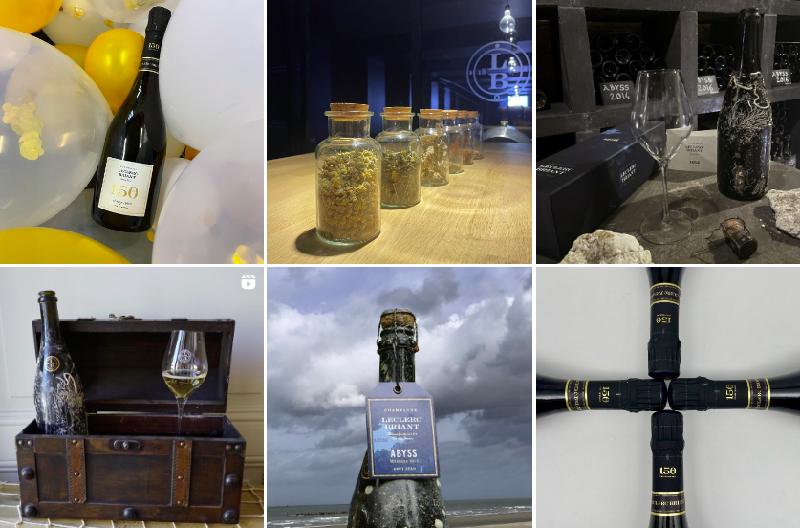
@Champagne Leclerc Briant – @instagram.com/champagneleclercbriant/

The Abyss cuvée, immersed at a depth of 60 metres in the Iroise Sea off Ouessant, follows the same approach. “The idea is to age the wine in the heart of unspoilt nature, in an environment where the energy is powerful and the temperature constant. We’re seeing a real revitalisation of the wines in this oceanic environment, which contains all the information on the planet since its origins”, he explains. Although Champagne is not expected to taste good after 30 years, bottles recently recovered from shipwrecks have proven the 30 year limit to be a myth. It would seem that the sea preserves champagne better than anything on earth.

Frédéric Zeimett, (CEO) follows these biodynamic experiments on the borderline between metaphysics and shamanism with interest and curiosity. “I read, inform myself and try to explain Hervé’s complex thinking to our teams. It’s essential that they are able to share our philosophy of wine. With its fifteen or so different cuvées, including five parcellaires, Leclerc-Briant is attracting the interest of champagne lovers, whose taste buds are receptive to the message it wishes to convey. “The brand is constantly reinventing itself, resulting in champagnes that are both delicious and very interesting. It’s like they’re short stories caught in a bottle! » Inge adds.

Frédéric Zeimett, who previously worked for Moët & Chandon, Pommery, Chapoutier, Alliance Loire and Ackerman, and is responsible for the running of the estate, also inherited the lunar calendar. Fortunately, however, this is not the first time he has managed a biodynamic estate, as he has returned to the principles of Goethe and Steiner, with whom he had already worked at Chapoutier. And to put them into practice, both in the vineyard and in the cellar, he sought the advice of Hervé Justin, the well reputed oenologist and thinker on geobiology and now the benchmark for biodynamic viticulture in the Champagne region. Hervé Justin, has famously been testing glass and cement vats gilded with gold leaf, as well as experimenting with micro-vinification in terracotta jars (4).

Biodynamic continuity has not been Zeimett’s only challenge. More importantly, he had to bring the house back to life! In the luxury field, we would classify such revivals as ‘Sleeping Beauty’ strategies, but only if the team gets it right. Resurrecting a brand badly, would be better described as a ’zombie’ strategy!

In our book,”HAUTE ‘Luxury’ Branding” (5) we speak of such strategies and claim that the luxury brand strives for immortality – although perhaps all brands do. A brand is not considered to have a ‘life cycle’ as products may do. This is because a brand exists first and foremost in the mind. It may live for as long as it is remembered, after which it may still be successfully resurrected, as was witnesses by the rebirthing of luxury houses such as Moynat and Penhaligans. To some extent we should really be considering Chanel, Dior, Lanvin, Balenciaga, Schiaparelli, Balmain, Carvin, Patou, Moreau, Vever, Rouvenat, Fabergé and Poiret as successfully resurrected sleeping beauty brands. Many have failed as well, examples being Worth, Fath, and more recently, Vionnet and L’Etrange.

Some so-called sleeping beauty brands could be considered as fake or inauthentic marketing revivals in that they did not really exist before or did not exist in the form that they do today. Examples are Officine Universelle Buly (inspired by a Balzac novel and based on a 19th century merchant perfumer, Claude Bully), Faure Le Page (an 18th Century firearms manufacturer and today a handbag house) and Joseph Duclos (a leather goods maison inspired by an 18th Century old royal leather manufacturer). As such, the latter may be considered as inauthentic relative to their true past.

Due to the mostly successful resurrections of so many luxury brands, there has been a massive trend towards such strategies. As with Moreau and Buly, one may simply register the trade mark and have no link to the founder’s families or have access to their ancient archives or original ‘savoire faire’ (know-how).This is certainly not the case with Champagne Leclerc Briant. All the archives, know-how and heritage has been retained and even enhanced with total respect, authenticity and integrity. It also remains a ‘family business’.

The downside or perhaps the upside is that the house is relatively unknown to consumers. Perhaps that really is its great advantage! Firstly, it is very known and respected in the B2B field of the champagne industry for its excellent vineyards and pioneering biodynamic experiments. Professional recognition and respect is fundamental to building a strong luxury house. The fact that consumers may not have heard of it is far better than it being famous for something bad! Bad news always travels faster than good news. Think Ryanair, Spirit Airlines and other such top 10 hated brands. In B2B one can think of Lehman Brothers and Enron.

As such, Frédéric Zeimett has the advantage of introducing this old brand into our open minds in a new way from now onwards. The brand identity and story has been very well thought through as has its’ competitive advantage. “While brands concerned by revival strategies do not need to be authentic, and can be invented to a degree, revival does alter brand properties physically and symbolically”, states Prof. Delphine Dion of ESSEC Business School (6).

”There is therefore a need to make your brand as authentic and as legitimate as possible in order to ensure success. The issue of heritage authenticity is challenging not only for cult brands, but also for brands which retain very little reputation in the market and are largely forgotten after many years out of the public eye. The first step is thus to collect both tangible and intangible features that will authenticate the brand heritage »she adds.

We believe that Champagne Leclerc Briant has implemented the first step beautifully and have cleverly immortalized themselves on the cover and in the last chapter of Casanave and Simmat’s “The Incredible History of Wine” animation book (4th ed 2022).

As you would no doubt agree, it is hard to create a great brand without a great product and a strong sense of purpose. Having said that, we feel obliged to confess to having never had the chance to taste Abysse or any of LB house creations for that matter. Their online reviews are good, so we can only assume that they’ve cracked it and will fast become a serious challenger to be reckoned with!

We hope you will enjoy watching our video interview of Frédéric Zeimett.

*The American Owners

Denise Dupré is the founder and managing partner of Champagne Hospitality, a hotel design and development company. Her teams at two properties, The Royal Champagne and Le Barthélemy recently won Conde Nast #1 ranking in their regions: in Europe and the Caribbean respectively. She currently serves on the Harvard Business School Board of Dean’s Advisors and the Board of the Isabella Stewart Gardner Museum. She and her husband Mark Nunnelly and their four children love to travel and experience hospitality throughout the world.

Mark Nunnelly is a billionaire private-equity mogul who managed Domino’s for six years beginning in 1998, became a Partner of Bain & Company was Managing Director of Bain Capital and runs a multi-faceted engineering firm. He even served as commissioner of the Massachusetts Department of Revenue and special advisor to Massachusetts Governor Charlie Baker for technology and innovation competitiveness. He has an MBA from Harvard and started out as an Assistant Brand Manager at Procter & Gamble.

Along with Denise, they acquired in 2017 the Domaine Belleville in Rully, the Château and Clos de la Commaraine in Pommard and created the same year the tailor-made Maison de vins Les Parcellaires de Saulx in Meursault. Domaine de la Commaraine and its Château has a rich wine producing history and dating back to the 12th century, with one of the most prestigious Premier Cru of Pommard inside its monopole, Clos de la Commaraine. The couple have also acquired the beautiful Royal Champagne Hotel & Spa, once a coaching where the kings of France would stay. The recently renovated 49 room historical property is said to feature breathtaking views over the vineyards, includes a Michelin-starred restaurant, and 21st Century creature comforts. The couple also offer accommodation at “Le 25bis »at 25bis Avenue de Champagne in Épernay and they still find the time and energy for philanthropy!

1. https://portraitsdebulles.com/2017/03/16/portrait-of-the-estate-leclerc-briant/
2. https://fizzyvines.com/reviews/leclerc-briant-champagne/
3. https://www.lesechos.fr/weekend/gastronomie-vins/le-champagne-leclerc-briant-capte-les-energies-en-mer-sur-terre-et-dans-le-ciel-1213331
4. https://www.terredevins.com/actualites/champagne-leclerc-briant-la-biodynamie-en-heritage
5. Mihailovich, P & Taylor, C, «  HAUTE ‘Luxury‘ Branding: Professor’s Notes”( 2021) Librinova
6. https://knowledge.essec.edu/en/strategy/sleeping-beauties-how-transform-your-brand-legend-.html
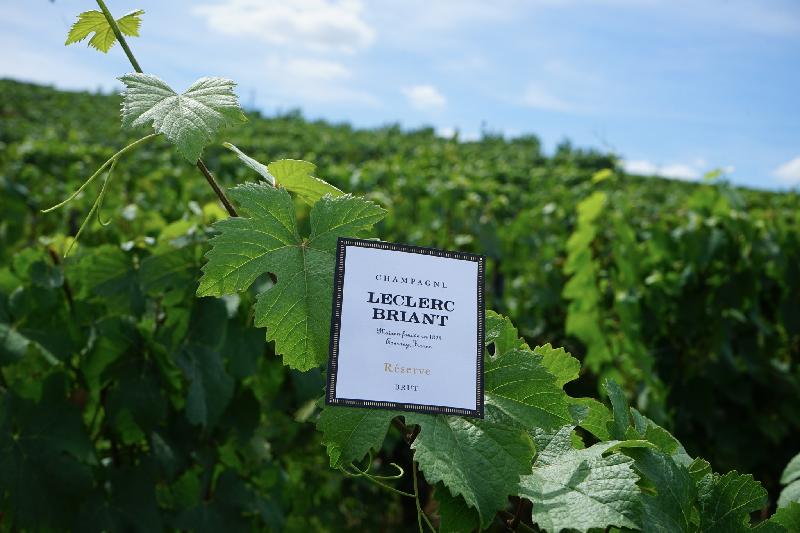
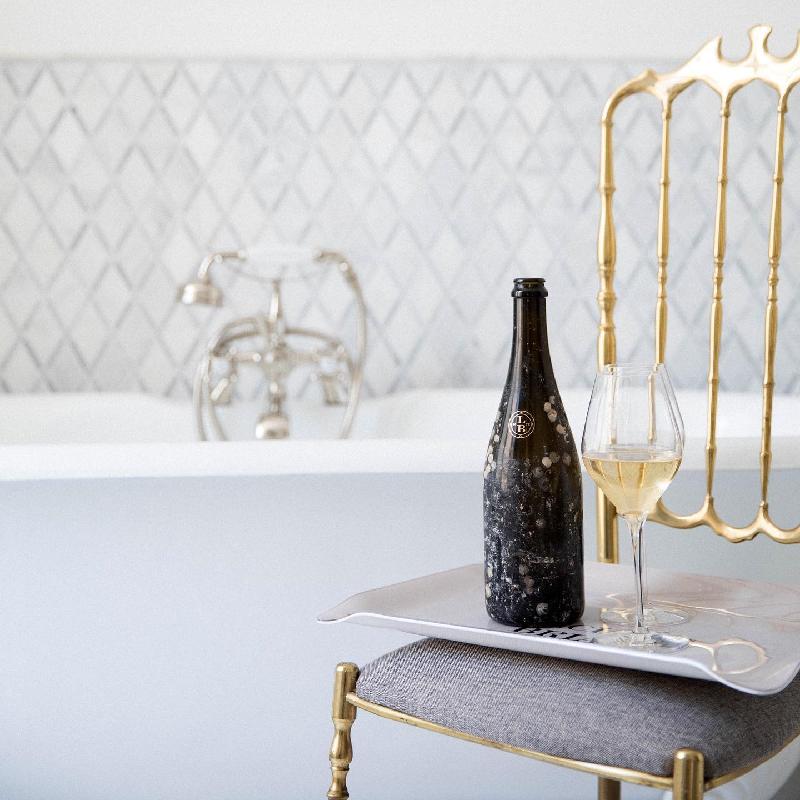
@Champagne Leclerc Briant/ @leclercbriant.fr
@Champagne Leclerc Briant / @leclercbriant.fr

COURBET : The ‘disruptive’ French Sustainable Jewellery brand that even refuses ‘fairmined’ gold and diamonds


By Philippe Mihailovich & Caroline Taylor

In line with 21st Century youth who are now demanding vegan leathers be used by luxury brands, we are now witnessing the emergence of a ‘sustainable’ high-end jewellery house on the famous Place Vendôme*, for whom anything mined is considered harmful to the environment and thereby unacceptable. Why buy gold from gold mines when you can recycle the gold from electronic waste such as graphics cards and computer processors? Why buy mined diamonds when real diamonds can now be grown in labs?

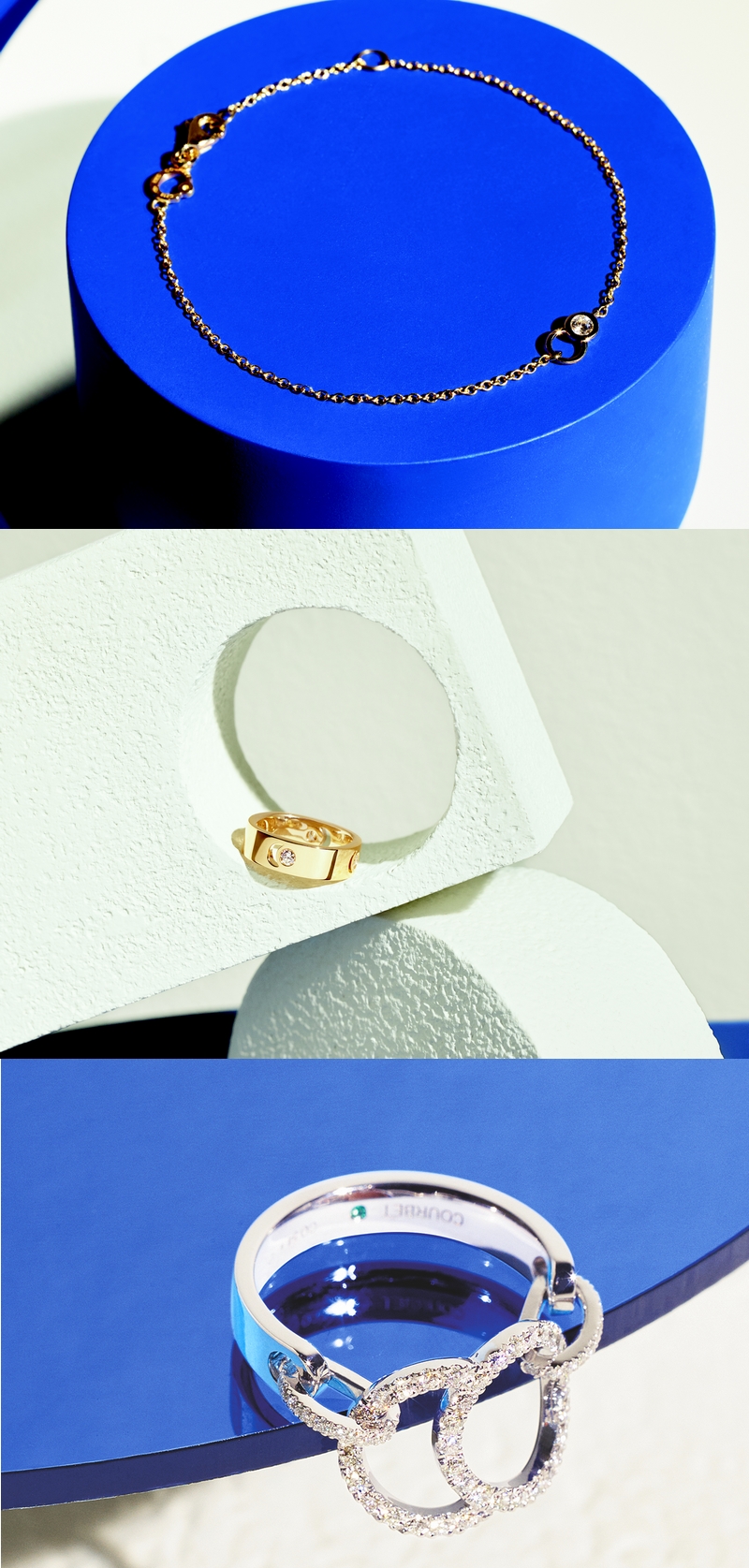
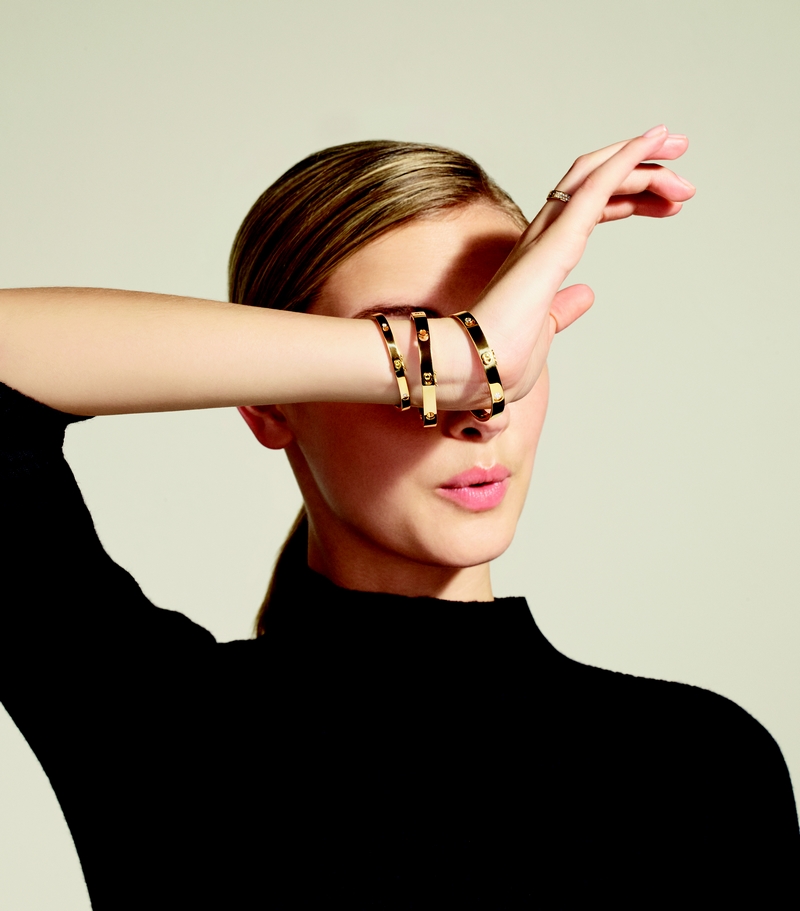
Courbet Jewelry Brand - 2019 -2luxury2
Courbet – Place Vendôme Fine Jewellery Maison; @en.courbet.com

These questions form the fundamental principles of Courbet and is likely to have a Stella McCartney effect on the entire jewellery industry. Most of the big luxury houses have committed themselves to 100% use of ‘ethical’ gold as quickly as possible. This would imply fairminded and fairtraded gold as well as recycled gold. Overall, it is certainly better for the miners themselves but not for the planet. Is it more ethical to overcome poverty to the detriment of the planet or to save the planet first?

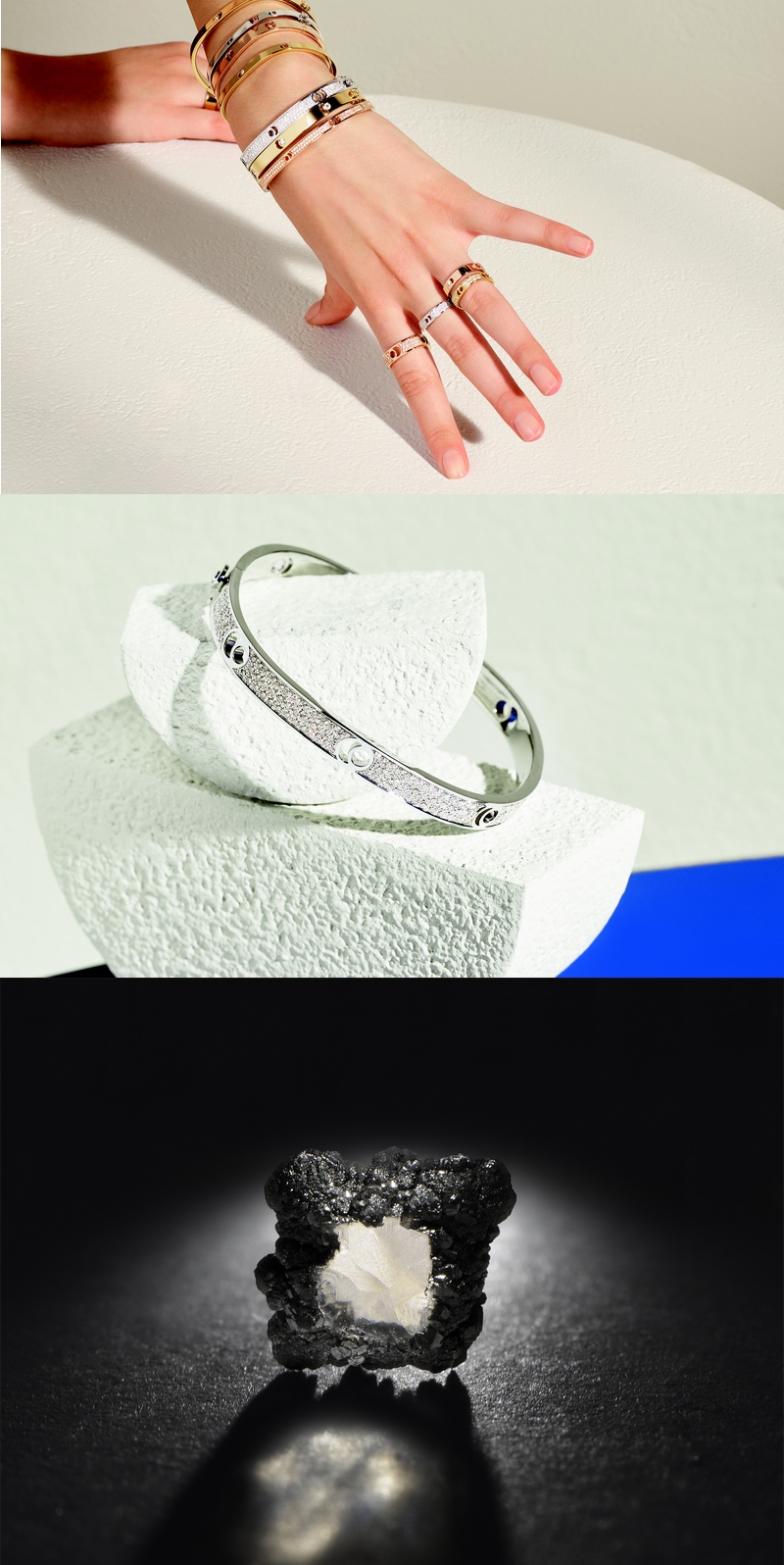
One would hope that alternatives will be found for the families dependant upon the mining industry. The natural diamond industry includes miners, traders, polishers, jewelery makers and retailers, all adding their own margins, while the man-made sector controls many if not all of those functions in single firms. Some 10 million people work in the diamond industry, in some of the poorest areas of the world. The diamond industry contributes $8 billion a year to Africa (1).

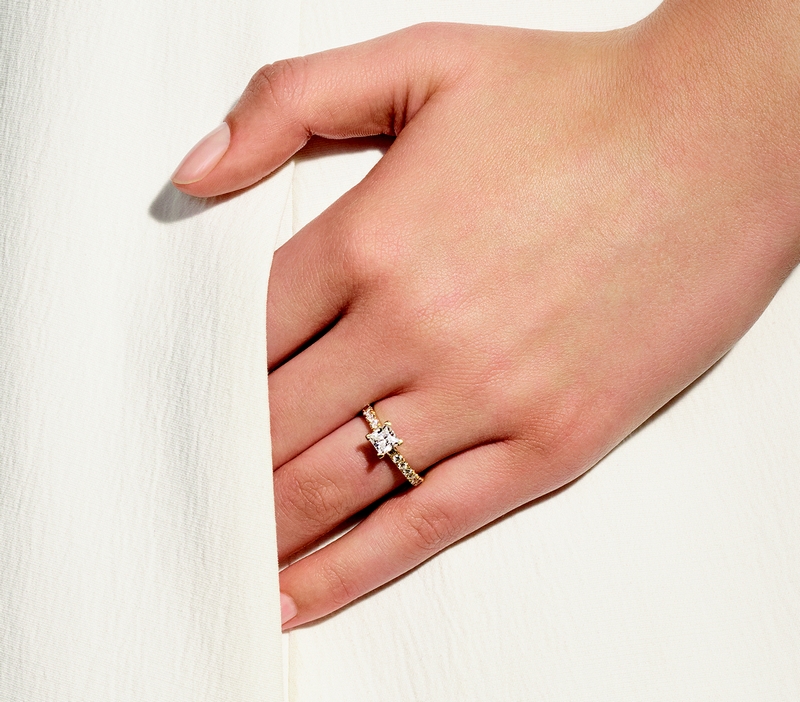
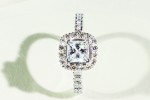
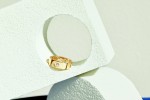
Courbet Jewelry Brand - Rings
Courbet – Place Vendôme Fine Jewellery Maison; @en.courbet.com
Courbet Jewelry Brand - The Founders
Courbet – Place Vendôme Fine Jewellery Maison ; @en.courbet.com

Growing Support for Lab-Grown Diamonds

How long will it take for jewellery customers to reject the beautiful rare stones produced by nature for the unique stones painstakingly produced in a lab?
Lab-grown diamonds may now be marketed in the United States as real gemstones, as long as they “clearly and conspicuously convey that the product is not a mined stone”(2).

For most of the twentieth century, the diamond market was entirely controlled by one company: De Beers. Total control of the industry meant that De Beers set diamond prices. Once De Beers had control of global supply, it could keep prices stable by stockholding rough diamonds during a weak market and then releasing them once demand increased. This monopoly no longer exists, and today diamond prices are driven by supply and demand (3).

In the USA, several law suits were filed in U.S. courts alleging that De Beers “unlawfully monopolized the supply of diamonds, conspired to fix, raise, and control diamond prices.” In the early 2000s the company changed strategies by licensing the De Beers brand name to the LVMH luxury group in order to sell directly to consumers through “its own retail stores” and brand name rather than focusing on B2B rough diamond supply control.

De Beers has now abandoned its decades-old policy of refusing to sell lab-grown diamonds, and now grow them at its Element Six labs in Britain, sell them through jewellery subsidiary Lightbox, and market them as “sparkly, pink, blue or white fashion accessories that are neither as rare nor precious as real gems” (4). The risk for the 130-year-old De Beers, which coined the marketing tag “A Diamond is Forever” in 1947, is that its branding of lab-grown gems could undermine natural diamonds.

As such, “De Beers targets younger consumers with its lab diamonds, sold under the Lightbox name for about $800 a carat”, claimed Bloomberg (5). “That’s a fifth of the price of existing man-made stones and one-tenth of the cost of buying a similar natural (mined) gem. The lab-grown industry has filed a complaint with the U.S. Federal Trade Commission, accusing De Beers of price dumping and predatory pricing. While De Beers has said it isn’t trying to disrupt existing lab-diamond producers, who have a small, but growing, share of the market, the company has a history of using price as a weapon”.

“Still, it’s not all about price”, says Bloomberg. “Man-made diamonds have positioned themselves as an ethical alternative to natural stones, which have long been associated with conflicts in Africa and the massive environmental footprint of modern mining. Leonardo DiCaprio, who starred in 2006 blockbuster ‘Blood Diamond,’ is a backer of San Francisco-based Diamond Foundry, one of the most famous synthetic brands.” De Beers says it simply saw a demand for lab-grown diamonds and now technology is sophisticated enough to produce gem quality as well as industrial stones, and decided to fill it. In so doing, they have also legitimised the man-made category.

Courbet is also breaking the mould by being based at the Place Vendôme where Paris showcases many the world’s leading high jewellery brands but Courbet does not have a retail presence. Clients are invited to make an appointment to visit its showroom-style loft space just above some of the most expensive, private and secretive jewellers such as JAR. The big difference is that Courbet is digitally driven and accessible to the world. The brand says it is following a DNVB ‘Digitally Native Vertical Brand’ strategy of cutting out all middlemen to sell directly online. It is also an Omni-channel strategy however, that aims to attract customers to its showroom, pop-ups, corners in department stores and the like.

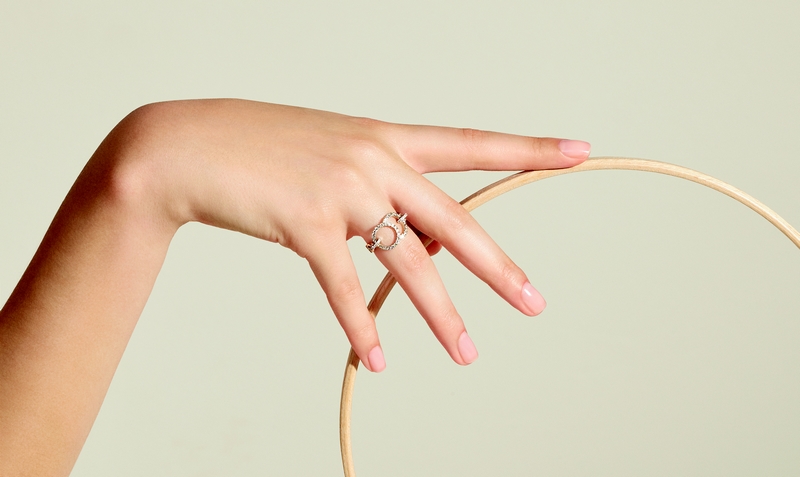
Courbet Jewelry Brand - 2019 -2luxury2-02
Courbet – Place Vendôme Fine Jewellery Maison ; @en.courbet.com

Growing Diamonds and Carbon Footprints

The extent to which online businesses create a carbon footprint of their own is still a subject of much debate. However, due to the colossal number of data centres that are needed to fuel planet earth’s internet obsession, the online world is now also beginning to damage the real world (6). Amazon recently announced its Shipment Zero goal under which the company aims to have 50 percent of all deliveries reach net zero carbon emissions by 2030. No doubt Amazon will resort to aviation biofuels, electric vehicles, recycled packaging and the like. A digital jewellery business will never leave such a large footprint, of course, but Courbet will be forced to monitor its total eco-system as it drives explosive growth across borders.

A bigger issue that lab-grown diamond businesses will be facing in the future will be that of total transparency regarding energy used to produce those diamonds. A recent report from JCK ‘The Industry Authority’ (7) questioning ‘just how eco-friendly’ these diamonds are is difficult to substantiate, if not impossible. Perhaps for this reason, the more circumspect lab-grown companies tend to use word sustainable.” “Man-made diamonds are unusual for a “sustainable” product as they are produced in factories”, it states,” The machines that produce diamonds “require constant energy, 24/7, running huge microwave-heat generators.”

“For now”, JCK reports, “saying a diamond is lab-grown is like saying it has a Kimberley Process certificate. It tells you some info, but not all. Even if lab-growns are more eco-friendly than mined, that’s an arguably inappropriate label to put on an item produced with large amounts of non-renewable energy. If a cookie contains 30 percent less sugar, that doesn’t make it a health food …. but is hopeful that the lab-grown boom will boost transparency in the diamond sector, as jewellers realize that many customers really do care about these things”.

“Most HPHT diamonds are produced in China, which sources 55 percent of its power from coal and 20 percent from hydro”, states the JCK report. “In India, another major producer, 75 percent of grid power comes from coal and 10 percent from hydro. Singapore, home of IIA, uses little renewable energy.” For reasons of transparency, Courbet will be obliged to own or collaborate with the most eco-friendly labs and aim to be able to at least claim “certified carbon-neutral” which is done by a full third-party audit.

Courbet_Celebration_Co_ring
Courbet – Place Vendôme Fine Jewellery Maison ; @en.courbet.com

Growing Brand Awareness

Since its humble beginnings in 2018, Courbet can proudly claim to have generated more than ‘600 articles in tier-one publications such as The New York Times, Forbes and Les Echos as well as a handful of interviews on major television shows’. As a result, it has been the department stores themselves that have invited Courbet to be present in their stores, often right opposite Cartier!

The fact that the brand is digital and specialises in lab-grown diamonds does not mean that it should be compared to Swarovski or worse still, Pandora! In fact, its most affordable lines could be more realistically compared to Tiffany’s and then upwards. The three key product categories catered for are Bridal Rings, Brand Coded Collections and Unique pieces, some may include the world’s biggest lab-grown diamonds commanding prices greater that 500,000 Euros!

“The collections revolve around themes of the universe and the planets that are dear to the brand”, says Courbet, “Fluid lines, strong statements of modern luxury, elongated and sparkling”. “The Courbet name was inspired by Place Vendôme itself,” say the co-founders, Marie-Ann Wachtmeister and Manuel Mallen. They “desired an artistic connotation and selected Gustave Courbet, the French rebel painter of nature and women, world-famous for his painting L’Origine du Monde. What’s more, Courbet once dismantled the Napoleonic pillar at the center of Place Vendôme as a testament to his desire for world peace and change”.

“We are signaling the coming of a new age on the Place Vendôme,” Manuel Mallen, co-founder of Courbet, said in an interview to The New York Times (8). “It is not by accident that we chose this name. The jewellery houses on the Place Vendôme know that their products have damaged the environment in one way or another,” Mr. Mallen said. “The time has come for change.”

This very interesting venture, a totally 21st Century brand with a 19th Century name is certainly one worth tracking. One cannot help wondering how the name will be pronounced by Americans, Japanese or the Chinese and how easy it will be to remember compared to the digital brands such as, Uber, Bolt or even the new jewellery start-up called 404 Place Vendôme which is not really at the Place and does not wish to be ‘disruptive’ or ‘to speak to Millenials’ but are totally aimed at them, offering personalised jewellery within 15 days from its fake virtual address named after the error code, « 404 not found ».

We would assume that anyone who loves fine jewellery, is against mining and the environmental harm that certain practices have had on this planet, will be interested in hearing what the co-founders of this dynamic digital brand have to say (video interview above).

We remain convinced that many brands may wish to copy the Courbet concept as quickly as possible. To copy its values and principles is relatively easy. To offer a different creative direction is also easily achievable. Competing with the numerous technical patents that Courbet have, will, however, be a much harder challenge. Courbet are aiming to keep raising the bar and setting the new standards for the world. How long before they are acquired by Richemont, LVMH, Kering or Fosun?

* “Place Vendôme, the Paris home of Haute Joiallerie where all the big jewellery names have their showrooms, has just had a makeover, reinstating its reputation as one of the most beautiful city squares in the world”- Suzy Menkes, Vogue Magazine UK, 2 Aug 2019. https://www.vogue.co.uk/article/suzyjewels-place-vendome-jewellers-change-settings-for-customers-and gemstones?fbclid=IwAR346d0rDIbPdSYfg4XV2mq5O0HtKQr4xWJRmfUJBEstsNA2bYYrPwig3o3


Philippe Mihailovich and Caroline Taylor (PhD Researcher, GIC-CUG) are luxury brand consultants at HAUTeLUXE and Visiting Professors of Luxury Brand Management at leading business, fashion and jewellery schools in both Paris and China. They are also Paris representatives and contributors to 2LUXURY2.com.

(1) https://www.jckonline.com/editorial-article/lab-created-diamonds-eco-friendly/
(2) https://www.nytimes.com/2018/09/11/style/jewelry-courbet-synthetic-diamonds.html

(3) https://www.diamondportfolio.com.au/investor-centre/market-information/de-beers-monopoly-broken/
(4) https://www.reuters.com/article/us-diamonds-debeers-synthetic-analysis/lab-grown-diamond-prices-slide-as-de-beers-fights-back-idUSKCN1OK0MQ
(5) https://www.bloomberg.com/news/articles/2018-09-04/lab-made-diamonds-for-less-why-de-beers-s-plan-worries-rivals
(6) https://salmanzafar.me/digital-carbon-footprint/
(7) https://www.jckonline.com/editorial-article/lab-created-diamonds-eco-friendly/
(8) https://www.nytimes.com/2018/09/11/style/jewelry-courbet-synthetic-diamonds.html

Courbet Jewelry Brand - 2019 portfolio
@Courbet
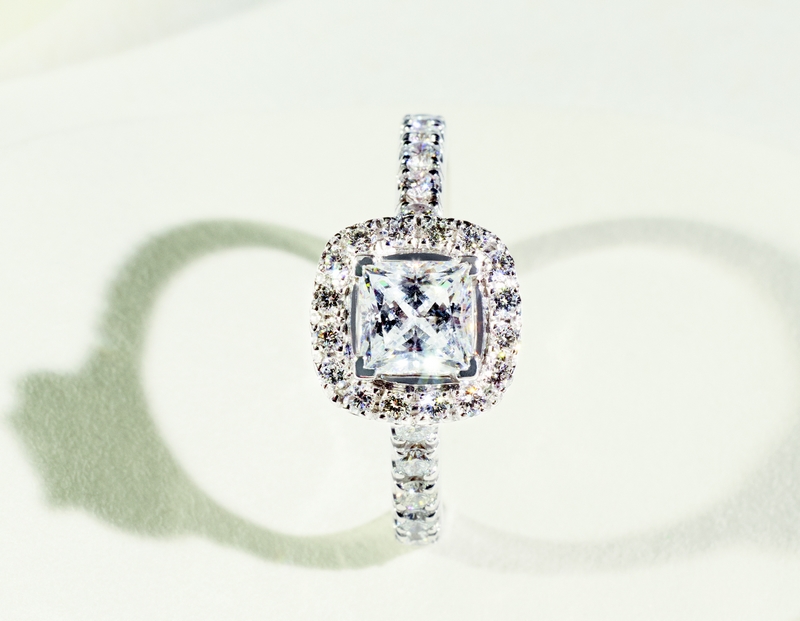
Courbet_Celebration_HaloPrincesse_still_life
Courbet – Place Vendôme Fine Jewellery Maison ; @en.courbet.com
Courbet Jewelry Brand - 2019 portfolio -
Courbet – Place Vendôme Fine Jewellery Maison ; @en.courbet.com
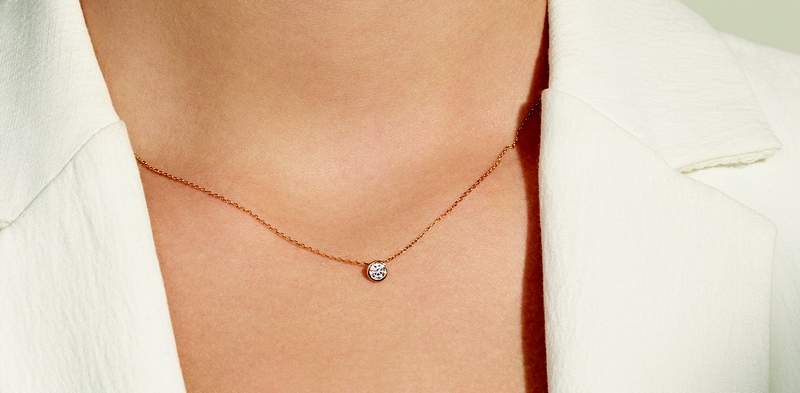
Courbet Jewelry Brand - 2019 -2luxury2-05
Courbet – Place Vendôme Fine Jewellery Maison ; @en.courbet.com
Courbet Jewelry Brand - 2019 -2luxury2-04
Courbet – Place Vendôme Fine Jewellery Maison ; @en.courbet.com
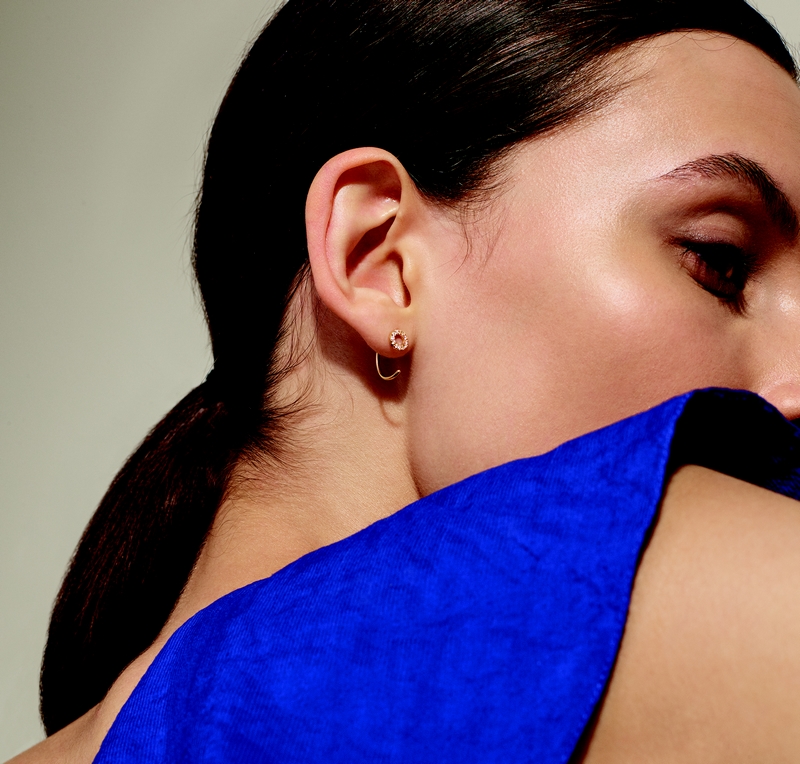
Courbet Jewelry Brand - 2019 -2luxury2-04- earrings
Courbet – Place Vendôme Fine Jewellery Maison ; @en.courbet.com
Courbet Jewelry Brand - 2019 -2luxury2-03
Courbet – Place Vendôme Fine Jewellery Maison ; @en.courbet.com
Courbet Jewelry Brand - 2019 -2luxury2-01
Courbet – Place Vendôme Fine Jewellery Maison ; @en.courbet.com

Anna Hu, the ‘haute’ jewellery maestro of the 21st Century


by Philippe Mihailovich & Caroline Taylor


Paris Haute Couture Fashion Week is also the time for the big Haute Joaillerie talents to present their high creations to the world on the prestigious Place Vendôme – the place to be for the finest jewellery names in the world.

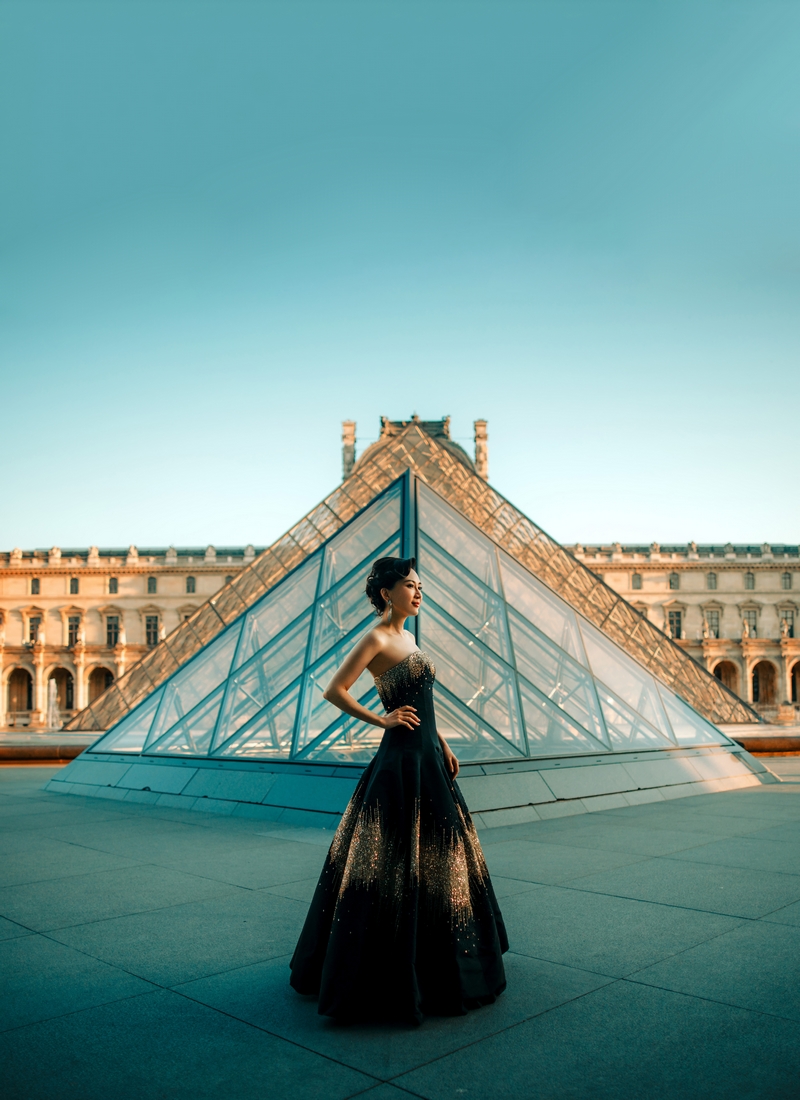
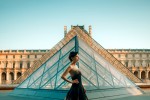
2019 Anna Hu in front of Musée du Louvre, Paris
Anna Hu in front of Musée du Louvre, Paris; @Anna Hu

The Ritz Hotel always hosts many of the world’s leading foreign designers, some just for the fashion week whilst others are present at the Ritz all year round. Anna Hu, the world’s most expensive jewellery artist, does both – a permanent window at The Ritz and a striking showroom exhibition during this unique event.
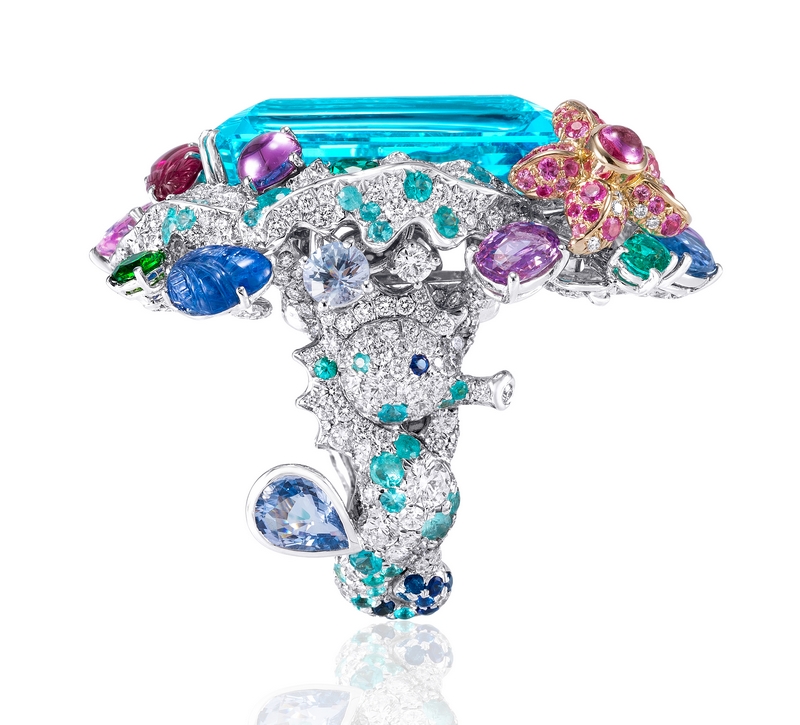
For connoisseurs of high jewellery, it’s one of those rare chances not only to meet Anna directly but also to enjoy the experience of touching and wearing some of her Million Dollar creations. Of course, it’s all about the stunning contemporary pieces that this ex-cellist has created under the exhilarating influence of classical music rather than her world-record price tags. One can truly feel and almost hear the music by simply looking at the creations, even if only in her books!

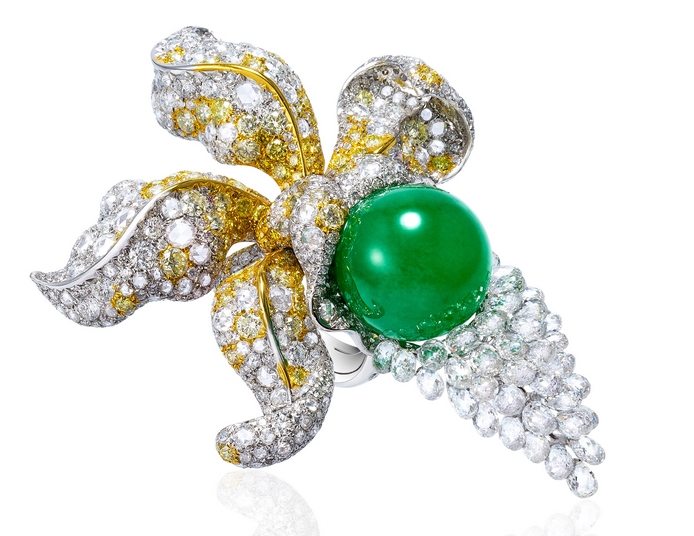
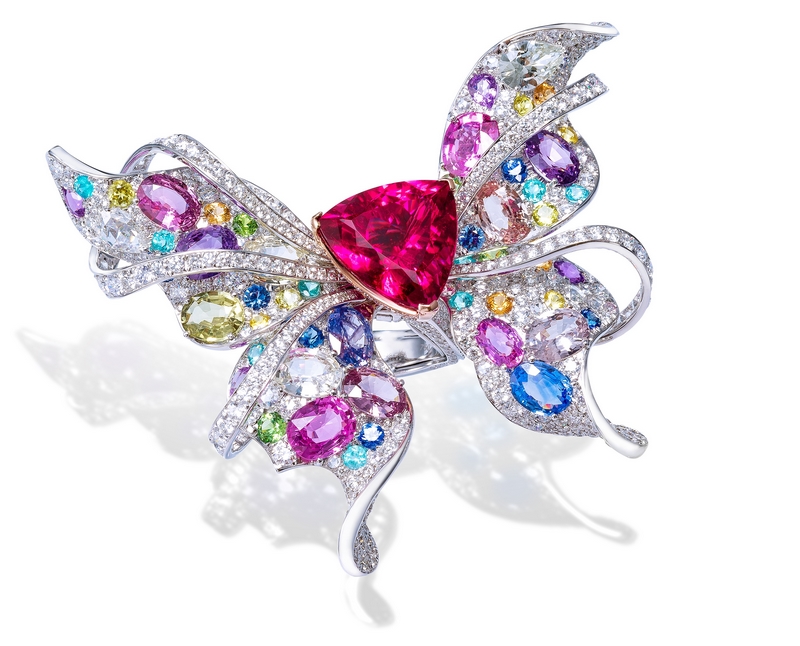
Hu is certainly not ‘just another female Asian jewellery artist creating more butterflies with more diamonds and more jadeite’. Considering that this Taiwanese New Yorker’s family name ‘HU’ actually means ‘butterfly’, one can well expect her to produce at least one butterfly collection but whatever she creates is always a few steps ahead and a higher challenge combined with a sophistication beyond what has been done before. Hu seems to well on her way to setting the new standards of high jewellery for the 21st Century, always with a deep meaning attached to each and every creation.

Unlike some master jewellers who have felt compelled to create fake brand stories based on an animal, insect, flower or a love story, Anna is a living legend with a real story, a real passion, a real universe that flows out of her just as a symphony flows out of a great composer. She does not design ballerinas to try to devise a brand symbol for herself or to appeal to those who frequent the opera houses of the world. The ballerinas are there because Anna is there. The music is in her soul and in her blood. It’s part of her life as much as it is part of the lives of ballerinas. They are raised in opera houses and it shows in the delicate dancers that we can almost feel moving, enhanced by a gorgeous mix of coloured stones give endless motion to their tutus – far superior to the stiff mini-statues that one tends to see from the established jewellery houses.

ANNA HU Siren's Aria Ring in Aquamarine-side
ANNA HU Siren’s Aria Ring in Aquamarine-side; @ANNA HU

Hu’s ‘brand universe’ is just as authentic and organic as that of the world’s great master artists and maestro composers. Her universe is herself, her philosophies, her authentic emotions, her genuine love for music and her true artistic talents.

Unlike the houses who employ marketing advisors to ‘position’ their brands or hire ad agencies to develop their brand identities, Anna’s world has developed naturally through her passions. Her work has been appreciated by the best museums, the big jewellery collectors, the leading luxury experts and magazines worldwide and must be making both the marketing and the ‘design directors’ of the big houses weep with envy.

Most of the big brand names in the luxury jewellery sector do not seem to have achieved much since the days gone by when they were acknowledged with great awards and royal clients from a few hundred years ago, whereas at the age of 35, Anna presented her first global exhibition at the Louvre’s Musée des Arts Décoratifs (MAD) in Paris along with her first book aptly entitled, “Symphony of Jewels, Opus 1”. Hu’s sense of colour, structure, form, a mix of stones and movement leaves one wondering what took the museum so long to host her.

One year later she broke two world auction records at Christie’s Magnificent Jewels’ sale in Geneva. First, the world auction sales record for a contemporary jewellery artist – an accolade previously held by JAR (Joel Arthur Rosenthal, also known as the ‘phantom of the Place Vendôme due to his secrecy and avoidance of the public eye). Second, the highest auction price per carat for a Burmese sapphire. She then went on to break the world auction record for a Chinese contemporary jewellery artist with the $2.59 million sale of her Orpheus Jade Ring at the Christie’s Hong Kong “Magnificent Jewels” sale.

At the Ritz, Hu presented her « Silk Road Music Collection » “I have always been so fascinated by the culture from Silk Road, the most ancient route in the world. As I would like this collection to speak to my Chinese roots, I decided to base my new creations on the traditional yet exotic Silk Road music.” The collection includes five pieces of jewels, each delicately crafted in Paris by the most exquisitely skilled artisans.

Among the five creations is the “Dunhuang Pipa Necklace”, with a jaw-dropping 100.02-carat fancy intense yellow diamond, inspired by the beautiful Chinese instrument, pipa as well as the Dunhuang Mogao grottoes. Since Sui-Tang times, the Mogao Grottoes have symbolized the starting point of the Silk Road. This necklace can also be transformed into a brooch and a pair of earrings, offering the wearer more versatility in choosing their jewels.

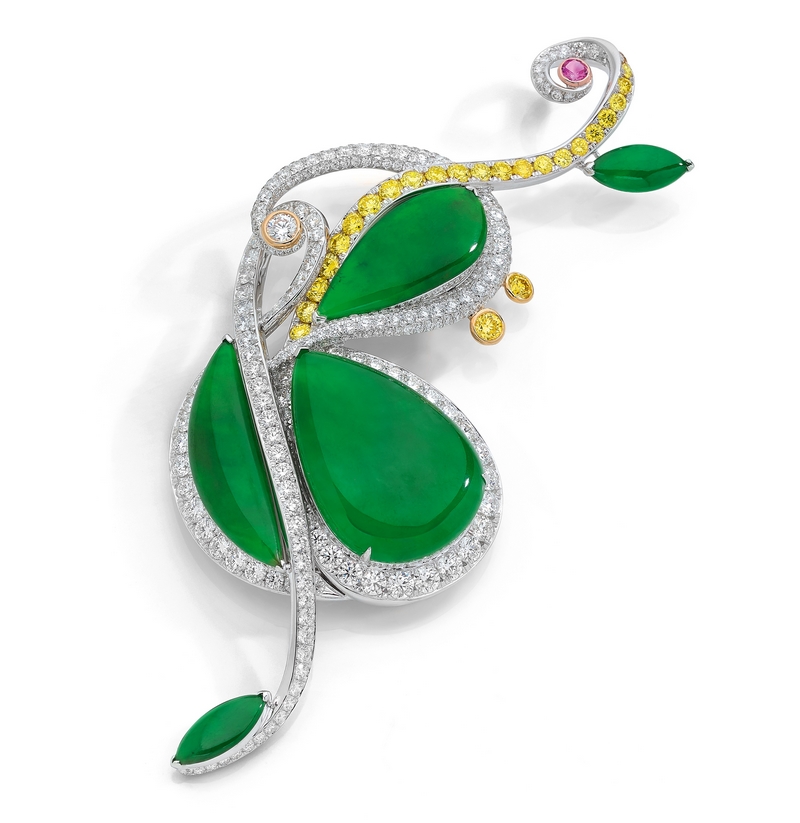
ANNA HU Jadeite Cello Brooch
ANNA HU Jadeite Cello Brooch; @ANNA HU

As can be heard in the video interview, Anna projects her passion for music onto her creations. To Anna, jewellery designs are like musical creations, and in her works, a song’s melodic beauty can always be felt. Her “Jadeite Cello Brooch” takes inspiration from Picasso’s “Violin Hanging on the Wall”, located in Switzerland’s Museum of Fine Arts Bern (Kunstmuseum Bern).

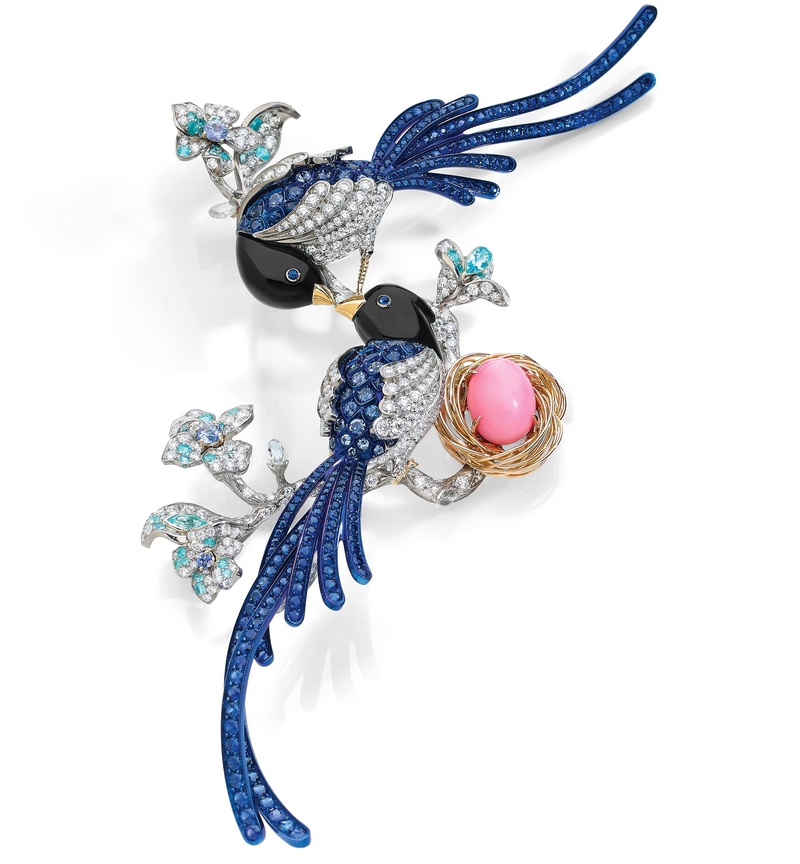
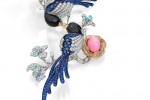
The “Blue Magpie Brooch” calls on the Jesuit missionary and painter at the imperial court of China – Giuseppe Castiglione for inspiration as well as an antique Blue-and-White Flower-Bird-Motif Circle-Squared Plate from the National Museum of History. Anna used coloured gemstones to translate the two blue magpies and flowers from the forests resulting in a combination of Chinese aesthetics and Western aristocracy.

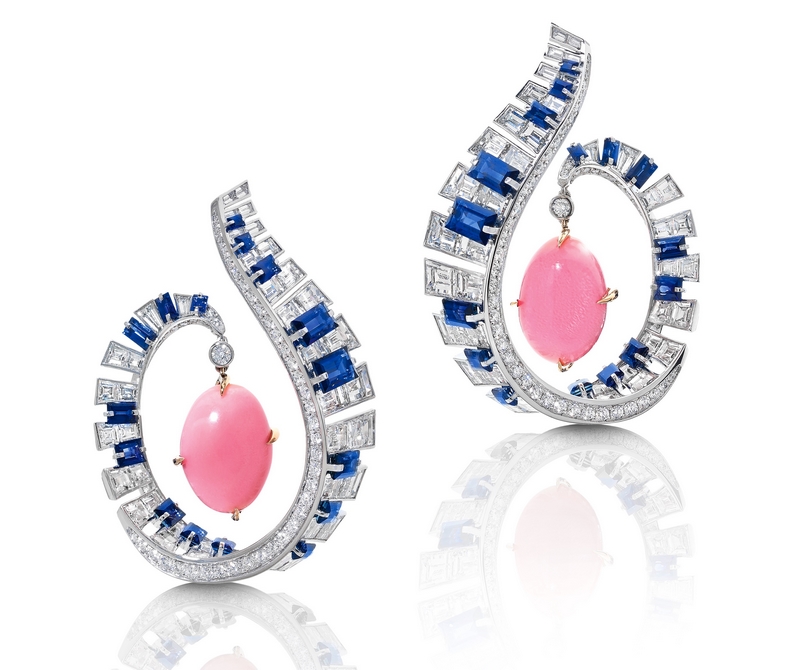
ANNA HU Ellington Earrings
ANNA HU Ellington Earrings; @ANNA HU

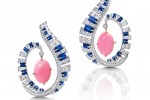
The “Ellington Earrings”, a tribute to Duke Ellington, incorporate piano keys, the shape of harps and the flow of melody. Designed with blue sapphire, baguette-cut and modified cut diamonds, this unique piece glitters on its titanium set. In the middle, conch pearls represent the notes, perfectly interpreting classical jazz in the most elegant style. It is, however, not clear how the creation is linked to the silk road.

Likewise for the lovely “Appassionata Ring in Ruby” – a combination of piano keys and the silhouettes of harps. The classic baguette-cut and modified cut diamonds create the uniqueness of this precious piece combined with rare rubies along with round brilliant cut diamonds glitter on its platinum set. The design perfectly interprets classical jazz. The ring covers three fingers in an elegant way. The emerald cut rubies in the middle embody the black keys on the piano.

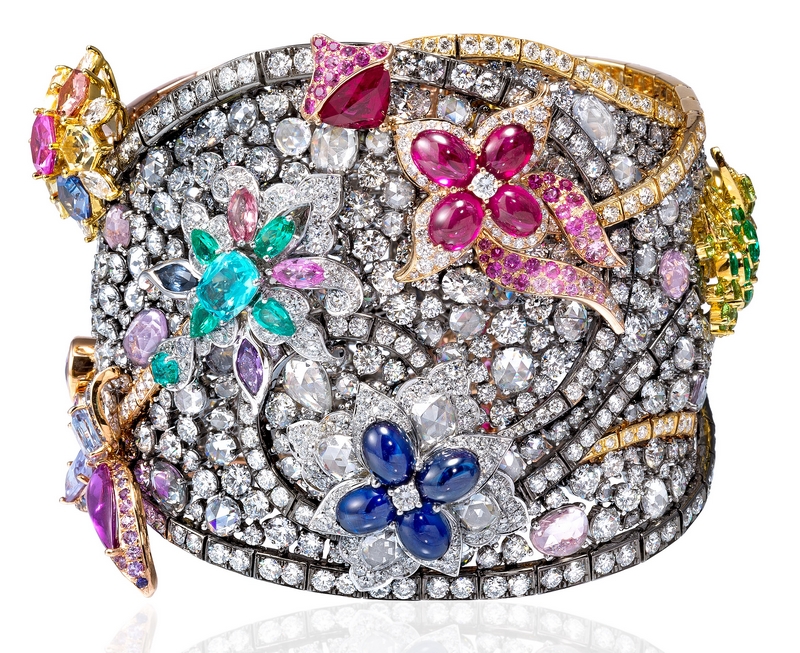
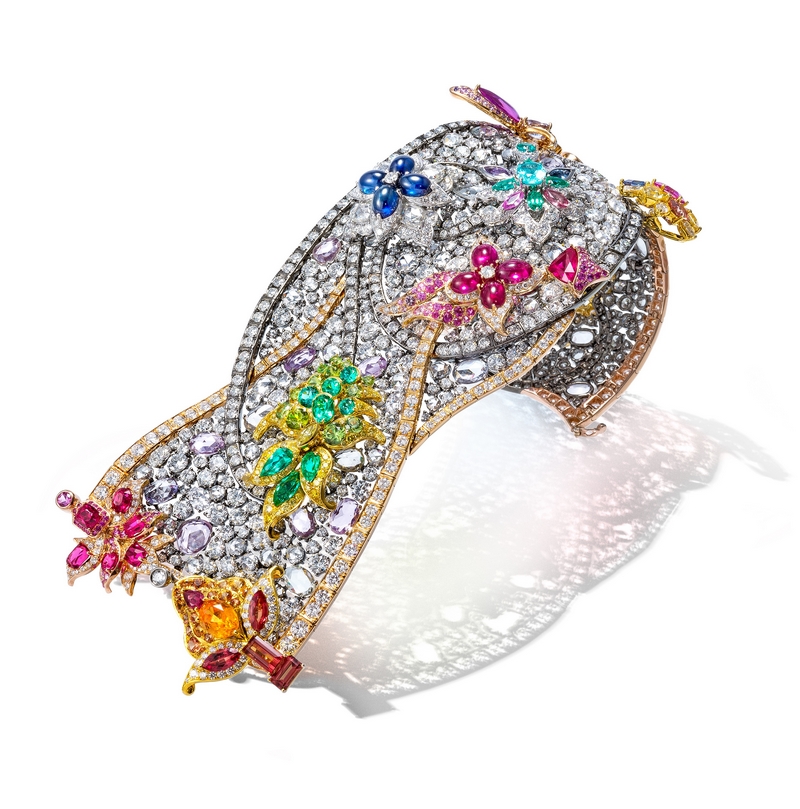
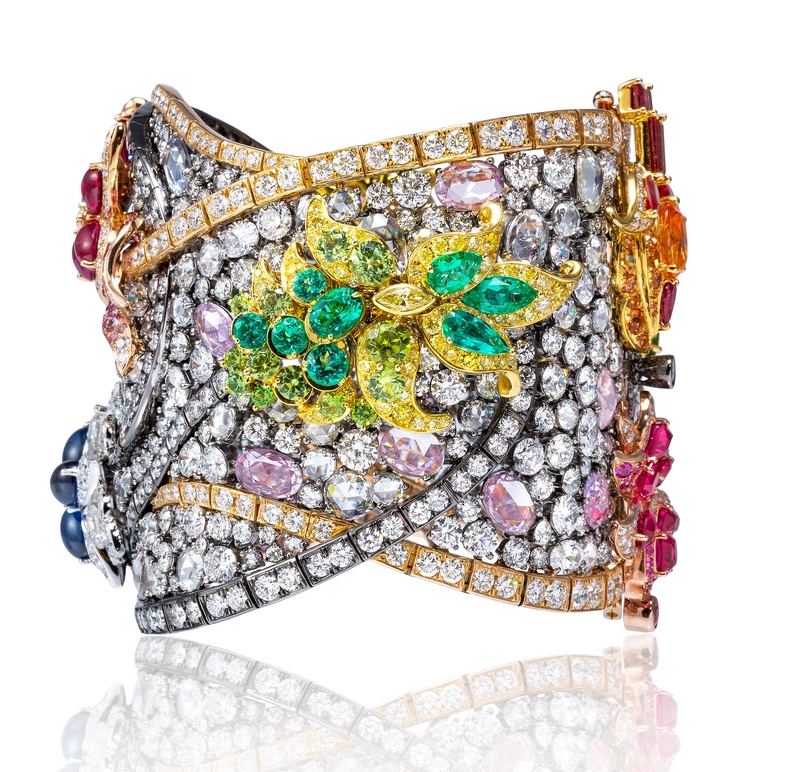
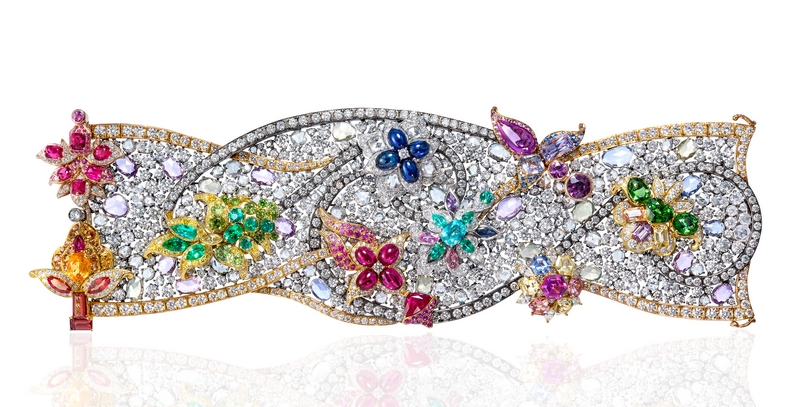
ANNA HU Rachmaninov Bracelet 2
ANNA HU Rachmaninov Bracelet II; @ANNA HU


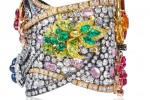
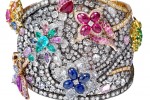
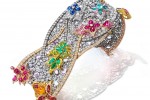
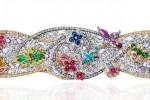
Other than the « Silk Road Music Collection », Anna Hu presented nine other recent creations including the “Rachmaninov Bracelet” which is discussed in the video. Each piece individually represents HU’s ongoing enthusiasm for music, culture, and nature, bringing the audience an eye-opening experience in jewellery art.

At the brand’s cocktail reception, Pascal Morand, Executive President of the Fédération de la Haute Couture et de la Mode officially announced Hu as a member of the Paris Haute Couture Committee. Anna Hu is now officially the first Asian female member of the Committee. Her jewellery has been worn by style-influencers and celebrities such as Madonna, Gwyneth Paltrow, Natalie Portman, Scarlett Johansson, Drew Barrymore, Hilary Swank, Oprah Winfrey, the acclaimed contemporary artist Cindy Sherman, and Jetsun Pema, the queen consort of Bhutan.

Hu and her jewels have been featured in The Wall Street Journal, W, ELLE, The New York Times, InStyle, Robb Report, Vanity Fair UK, Vogue Gioiello, Wall Street Journal Europe and leading Chinese publications including South China Morning Post, Harper’s Bazaar, Vogue, ELLE, L’oficiel, InStyle, Marie Claire, and many others.


Philippe Mihailovich and Caroline Taylor are luxury brand consultants at HAUTeLUXE and Visiting Professors of Luxury Brand Management at leading business, fashion and jewellery schools in both Paris and China. They are also Paris representatives and contributors to 2luxury2.com.

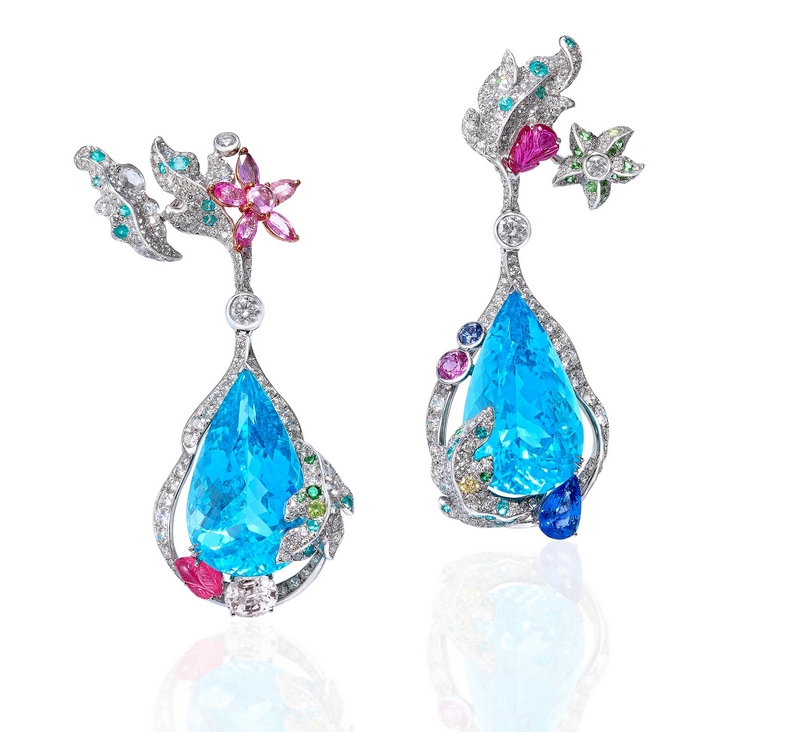
ANNA HU Siren's Aria Earrings in Aquamarine
ANNA HU Siren’s Aria Earrings in Aquamarine; @Anna Hu
ANNA HU Rachmaninov Bracelet 4
ANNA HU Rachmaninov Bracelet IV @Anna Hu
ANNA HU Rachmaninov Bracelet 1
ANNA HU Rachmaninov Bracelet I; @Anna Hu
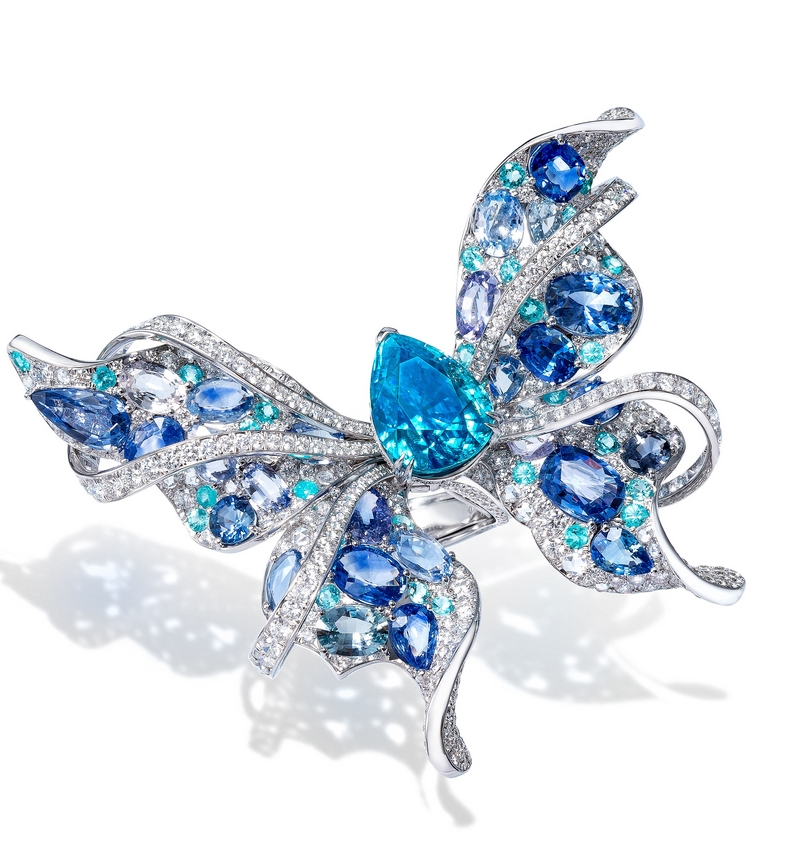
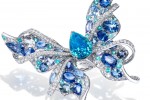
ANNA HU Le Papillon Ring in Zircon
ANNA HU Le Papillon Ring in Zircon; @Anna Hu
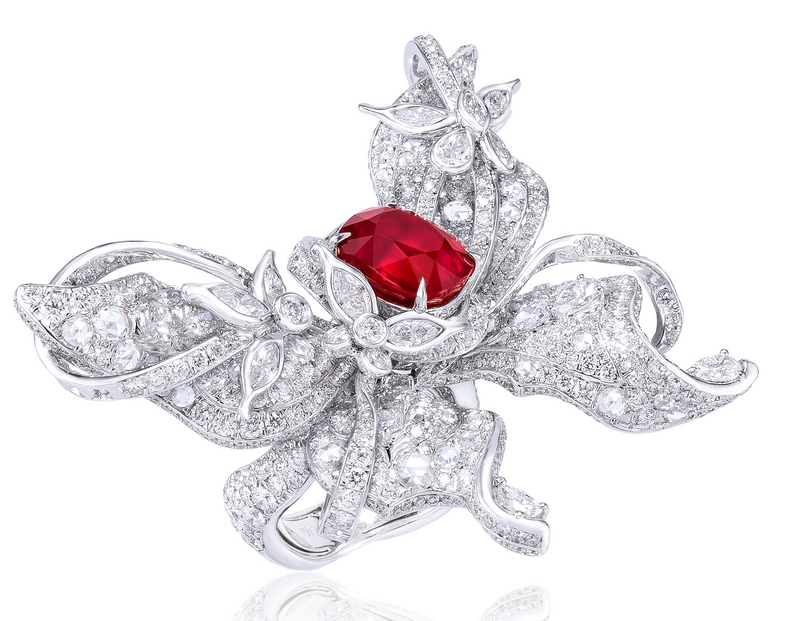
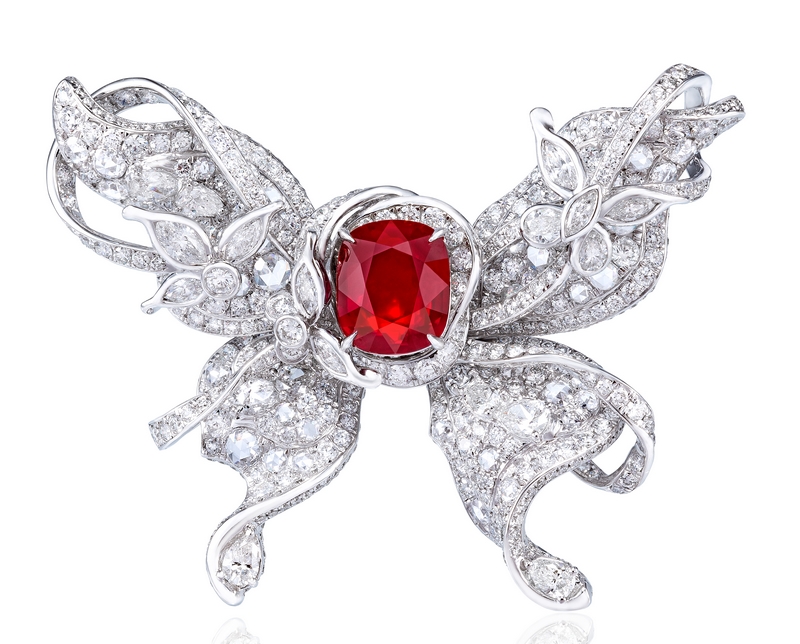
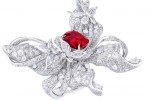
ANNA HU Le Papillon Ring in Ruby - side
ANNA HU Le Papillon Ring in Ruby; @Anna Hu
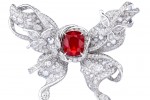
ANNA HU Le Papillon Ring in Ruby - front
ANNA HU Le Papillon Ring in Ruby – front; @Anna Hu
ANNA HU Blue Magpie Brooch
ANNA HU Blue Magpie Brooch; @Anna Hu
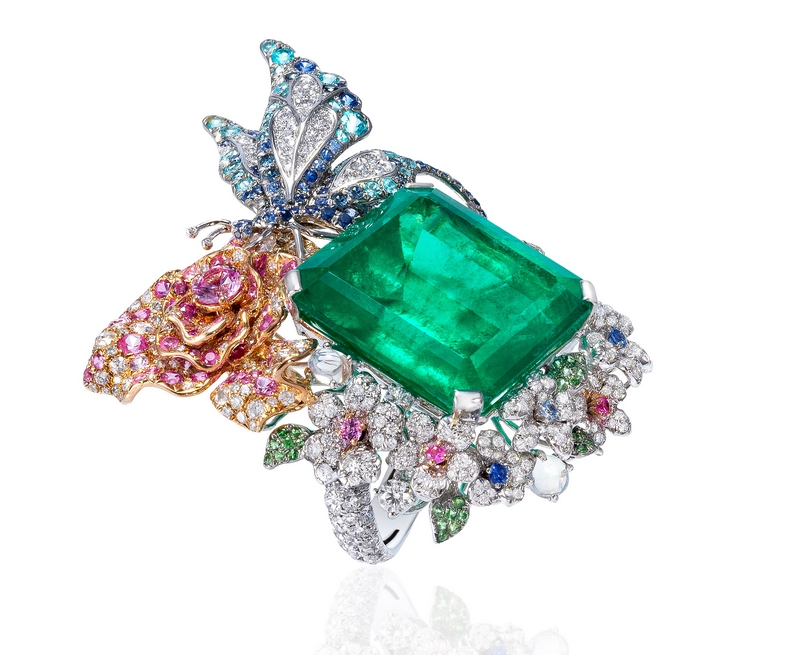
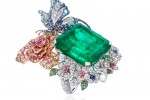
ANNA HU Butterfly Rose Ring in Emerald_side
ANNA HU Butterfly Rose Ring in Emerald_side; @Anna Hu
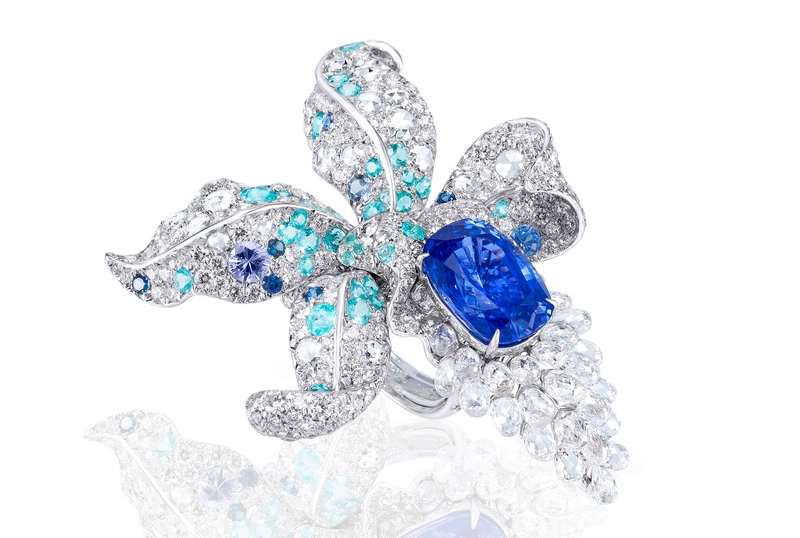
ANNA HU Enchanted Orchid Ring in Blue Sapphire
ANNA HU Enchanted Orchid Ring in Blue Sapphire; @Anna Hu
ANNA HU Enchanted Orchid Ring in Jade
ANNA HU Enchanted Orchid Ring in Jade; @Anna Hu
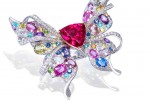
ANNA HU Le Papillon Ring in Rubellite
ANNA HU Le Papillon Ring in Rubellite; @Anna Hu