By Philippe Mihailovich & Caroline Taylor
In line with 21st Century youth who are now demanding vegan leathers be used by luxury brands, we are now witnessing the emergence of a ‘sustainable’ high-end jewellery house on the famous Place Vendôme*, for whom anything mined is considered harmful to the environment and thereby unacceptable. Why buy gold from gold mines when you can recycle the gold from electronic waste such as graphics cards and computer processors? Why buy mined diamonds when real diamonds can now be grown in labs?
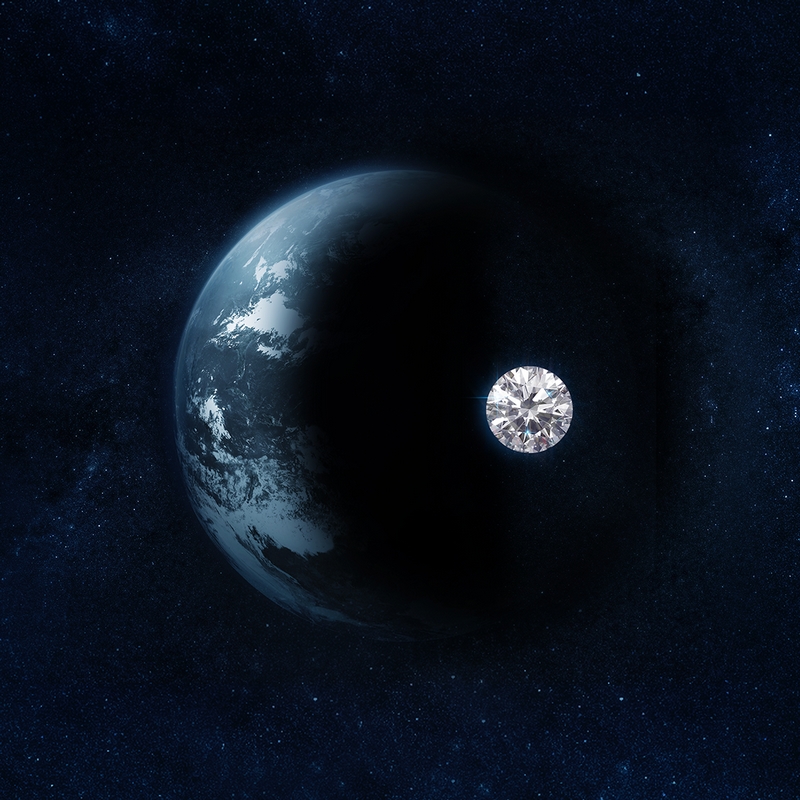
These questions form the fundamental principles of Courbet and is likely to have a Stella McCartney effect on the entire jewellery industry. Most of the big luxury houses have committed themselves to 100% use of ‘ethical’ gold as quickly as possible. This would imply fairminded and fairtraded gold as well as recycled gold. Overall, it is certainly better for the miners themselves but not for the planet. Is it more ethical to overcome poverty to the detriment of the planet or to save the planet first?
One would hope that alternatives will be found for the families dependant upon the mining industry. The natural diamond industry includes miners, traders, polishers, jewelery makers and retailers, all adding their own margins, while the man-made sector controls many if not all of those functions in single firms. Some 10 million people work in the diamond industry, in some of the poorest areas of the world. The diamond industry contributes $8 billion a year to Africa (1).

Growing Support for Lab-Grown Diamonds
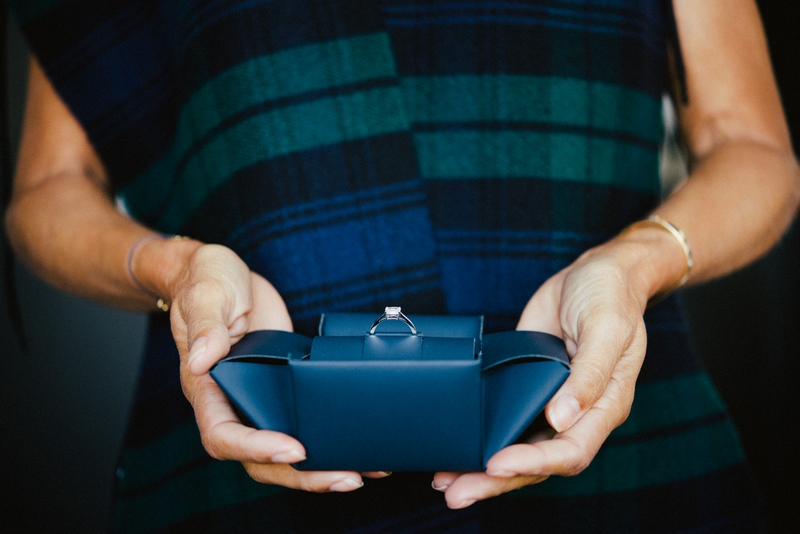
How long will it take for jewellery customers to reject the beautiful rare stones produced by nature for the unique stones painstakingly produced in a lab?
Lab-grown diamonds may now be marketed in the United States as real gemstones, as long as they “clearly and conspicuously convey that the product is not a mined stone”(2).
For most of the twentieth century, the diamond market was entirely controlled by one company: De Beers. Total control of the industry meant that De Beers set diamond prices. Once De Beers had control of global supply, it could keep prices stable by stockholding rough diamonds during a weak market and then releasing them once demand increased. This monopoly no longer exists, and today diamond prices are driven by supply and demand (3).
In the USA, several law suits were filed in U.S. courts alleging that De Beers “unlawfully monopolized the supply of diamonds, conspired to fix, raise, and control diamond prices.” In the early 2000s the company changed strategies by licensing the De Beers brand name to the LVMH luxury group in order to sell directly to consumers through “its own retail stores” and brand name rather than focusing on B2B rough diamond supply control.
De Beers has now abandoned its decades-old policy of refusing to sell lab-grown diamonds, and now grow them at its Element Six labs in Britain, sell them through jewellery subsidiary Lightbox, and market them as “sparkly, pink, blue or white fashion accessories that are neither as rare nor precious as real gems” (4). The risk for the 130-year-old De Beers, which coined the marketing tag “A Diamond is Forever” in 1947, is that its branding of lab-grown gems could undermine natural diamonds.
As such, “De Beers targets younger consumers with its lab diamonds, sold under the Lightbox name for about $800 a carat”, claimed Bloomberg (5). “That’s a fifth of the price of existing man-made stones and one-tenth of the cost of buying a similar natural (mined) gem. The lab-grown industry has filed a complaint with the U.S. Federal Trade Commission, accusing De Beers of price dumping and predatory pricing. While De Beers has said it isn’t trying to disrupt existing lab-diamond producers, who have a small, but growing, share of the market, the company has a history of using price as a weapon”.
“Still, it’s not all about price”, says Bloomberg. “Man-made diamonds have positioned themselves as an ethical alternative to natural stones, which have long been associated with conflicts in Africa and the massive environmental footprint of modern mining. Leonardo DiCaprio, who starred in 2006 blockbuster ‘Blood Diamond,’ is a backer of San Francisco-based Diamond Foundry, one of the most famous synthetic brands.” De Beers says it simply saw a demand for lab-grown diamonds and now technology is sophisticated enough to produce gem quality as well as industrial stones, and decided to fill it. In so doing, they have also legitimised the man-made category.
Courbet is also breaking the mould by being based at the Place Vendôme where Paris showcases many the world’s leading high jewellery brands but Courbet does not have a retail presence. Clients are invited to make an appointment to visit its showroom-style loft space just above some of the most expensive, private and secretive jewellers such as JAR. The big difference is that Courbet is digitally driven and accessible to the world. The brand says it is following a DNVB ‘Digitally Native Vertical Brand’ strategy of cutting out all middlemen to sell directly online. It is also an Omni-channel strategy however, that aims to attract customers to its showroom, pop-ups, corners in department stores and the like.
Growing Diamonds and Carbon Footprints
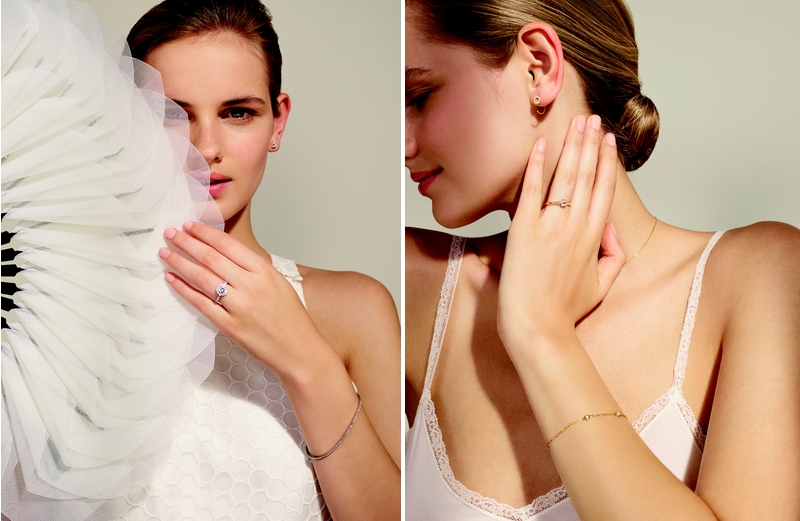
The extent to which online businesses create a carbon footprint of their own is still a subject of much debate. However, due to the colossal number of data centres that are needed to fuel planet earth’s internet obsession, the online world is now also beginning to damage the real world (6). Amazon recently announced its Shipment Zero goal under which the company aims to have 50 percent of all deliveries reach net zero carbon emissions by 2030. No doubt Amazon will resort to aviation biofuels, electric vehicles, recycled packaging and the like. A digital jewellery business will never leave such a large footprint, of course, but Courbet will be forced to monitor its total eco-system as it drives explosive growth across borders.
A bigger issue that lab-grown diamond businesses will be facing in the future will be that of total transparency regarding energy used to produce those diamonds. A recent report from JCK ‘The Industry Authority’ (7) questioning ‘just how eco-friendly’ these diamonds are is difficult to substantiate, if not impossible. Perhaps for this reason, the more circumspect lab-grown companies tend to use word sustainable.” “Man-made diamonds are unusual for a “sustainable” product as they are produced in factories”, it states,” The machines that produce diamonds “require constant energy, 24/7, running huge microwave-heat generators.”
“For now”, JCK reports, “saying a diamond is lab-grown is like saying it has a Kimberley Process certificate. It tells you some info, but not all. Even if lab-growns are more eco-friendly than mined, that’s an arguably inappropriate label to put on an item produced with large amounts of non-renewable energy. If a cookie contains 30 percent less sugar, that doesn’t make it a health food …. but is hopeful that the lab-grown boom will boost transparency in the diamond sector, as jewellers realize that many customers really do care about these things”.
“Most HPHT diamonds are produced in China, which sources 55 percent of its power from coal and 20 percent from hydro”, states the JCK report. “In India, another major producer, 75 percent of grid power comes from coal and 10 percent from hydro. Singapore, home of IIA, uses little renewable energy.” For reasons of transparency, Courbet will be obliged to own or collaborate with the most eco-friendly labs and aim to be able to at least claim “certified carbon-neutral” which is done by a full third-party audit.
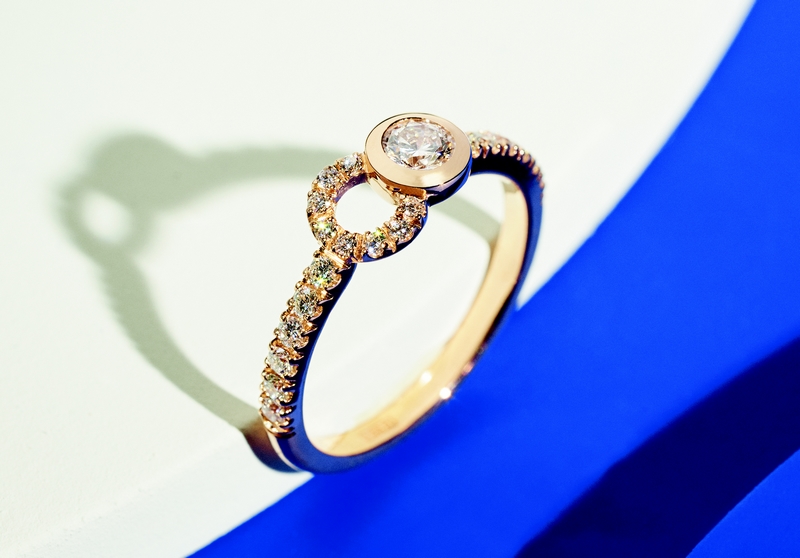
Growing Brand Awareness
Since its humble beginnings in 2018, Courbet can proudly claim to have generated more than ‘600 articles in tier-one publications such as The New York Times, Forbes and Les Echos as well as a handful of interviews on major television shows’. As a result, it has been the department stores themselves that have invited Courbet to be present in their stores, often right opposite Cartier!
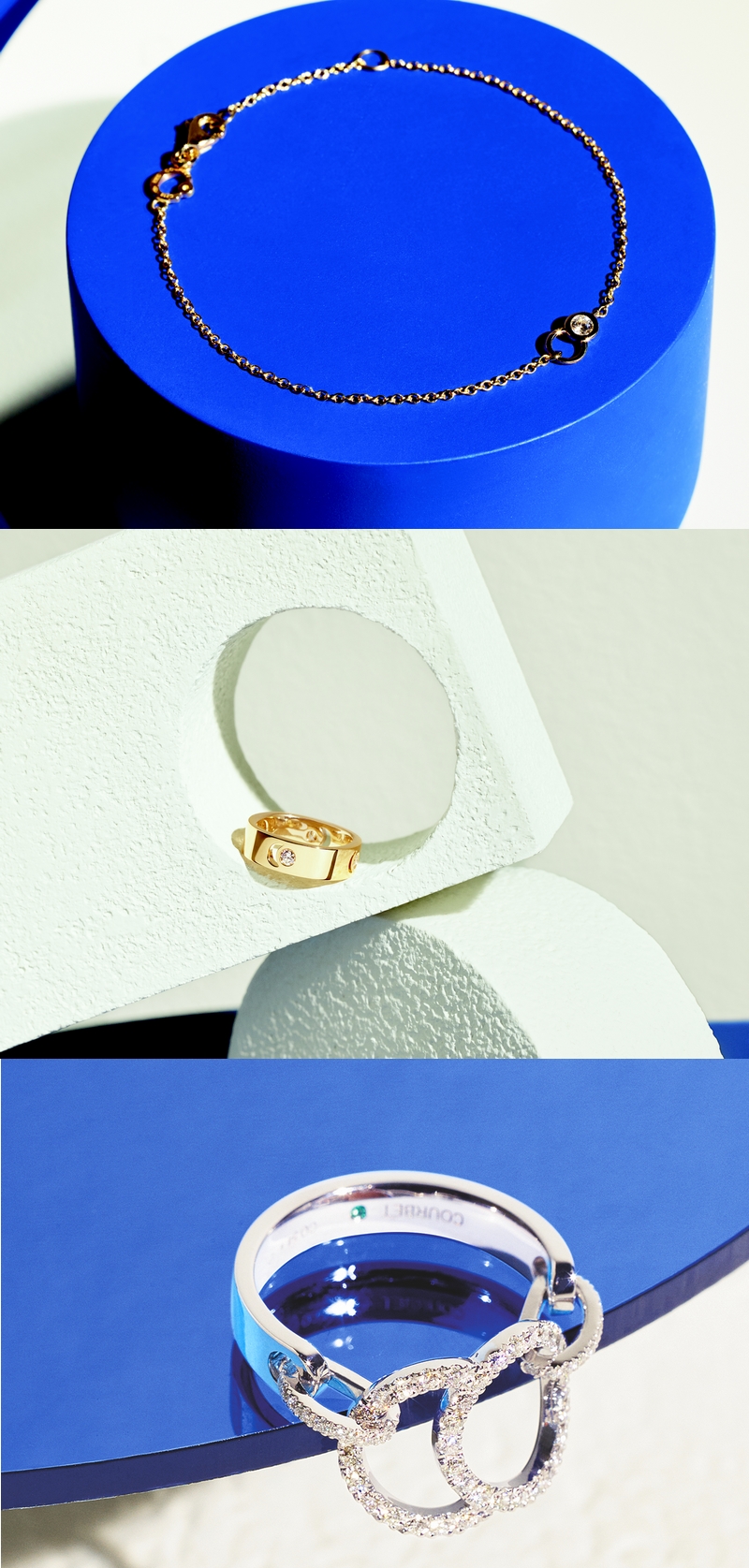
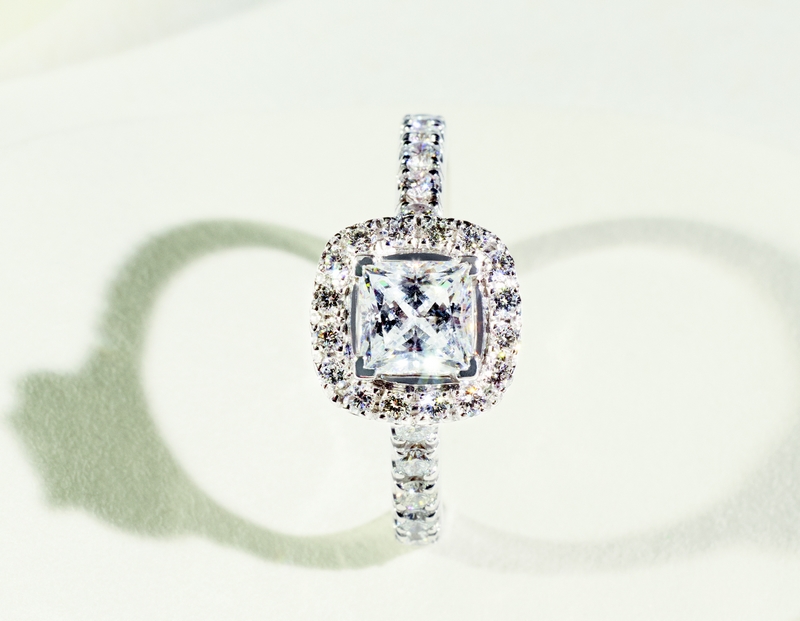
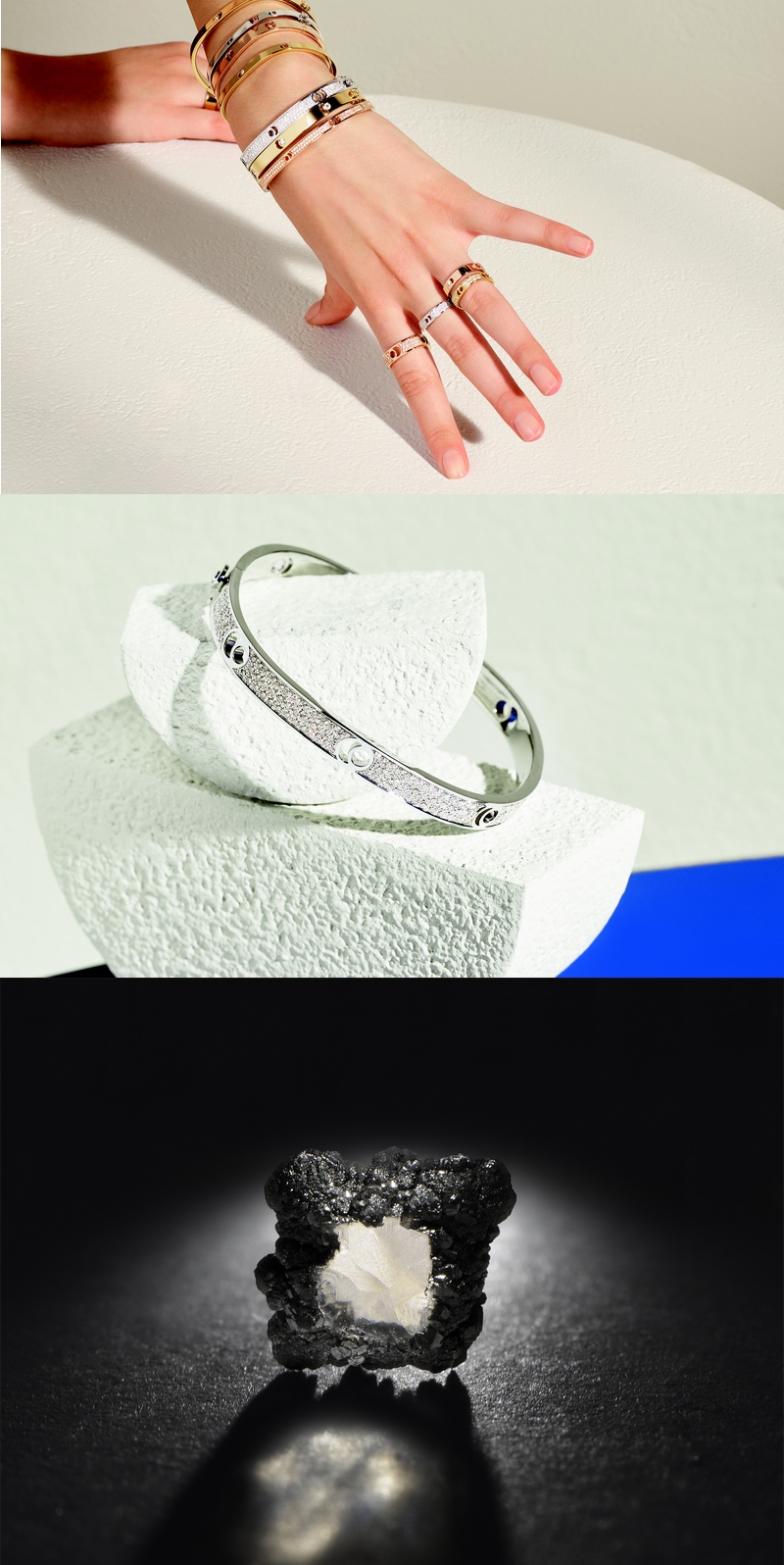
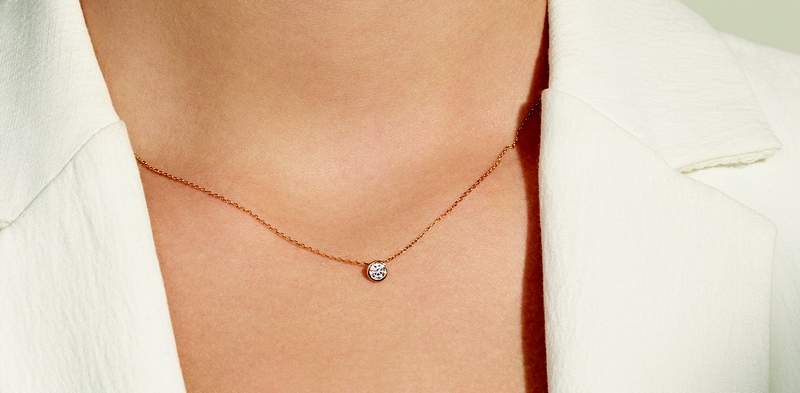
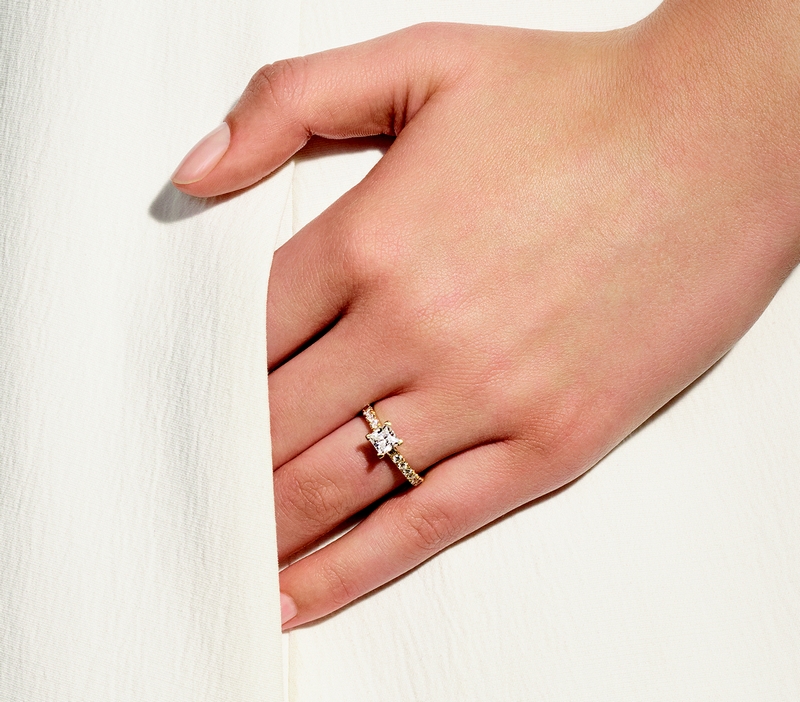
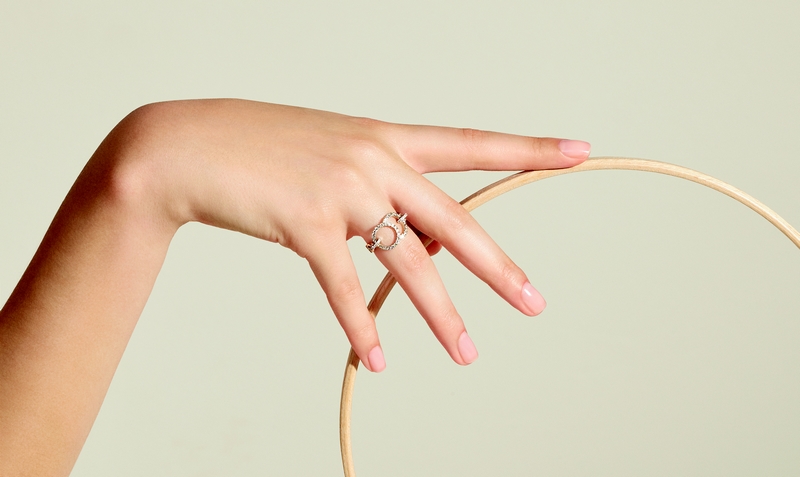
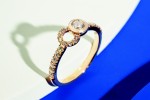
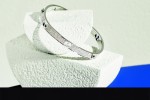
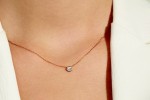
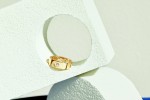
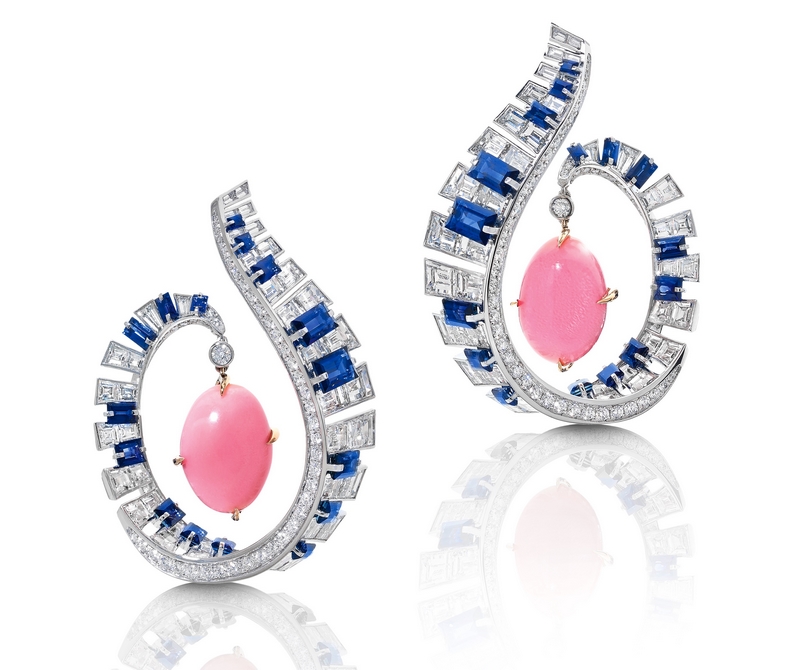
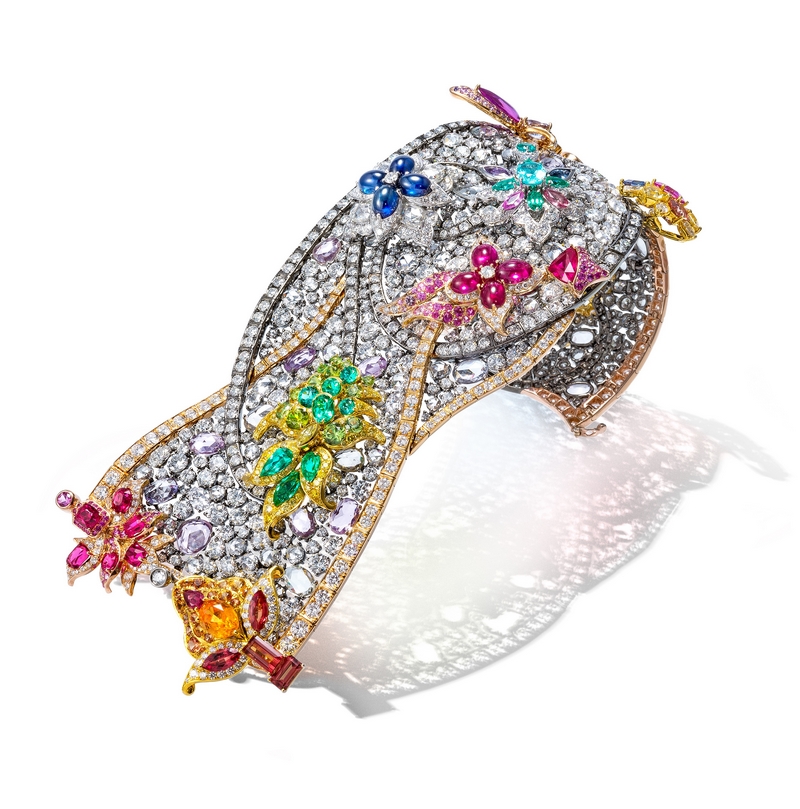
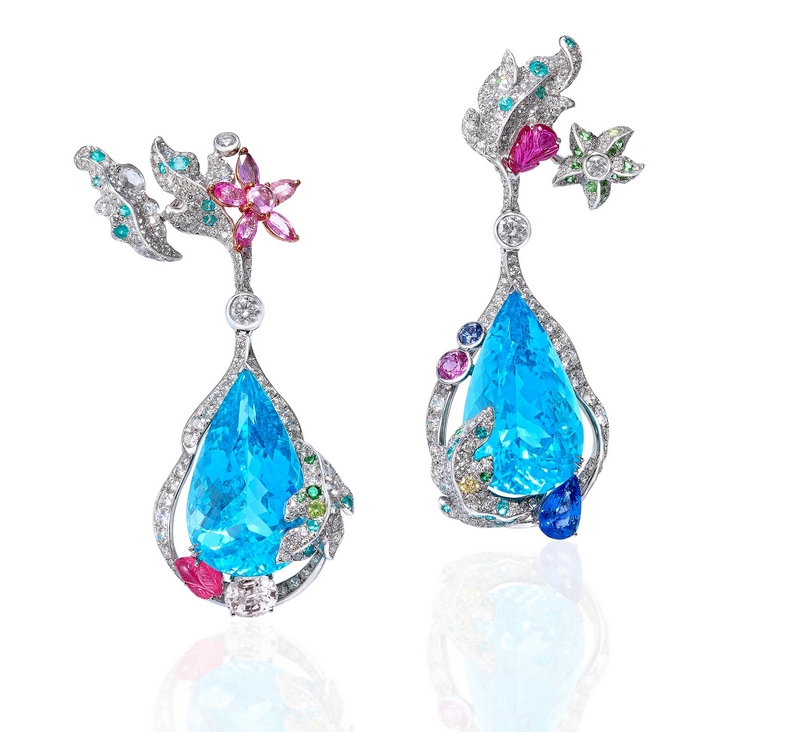
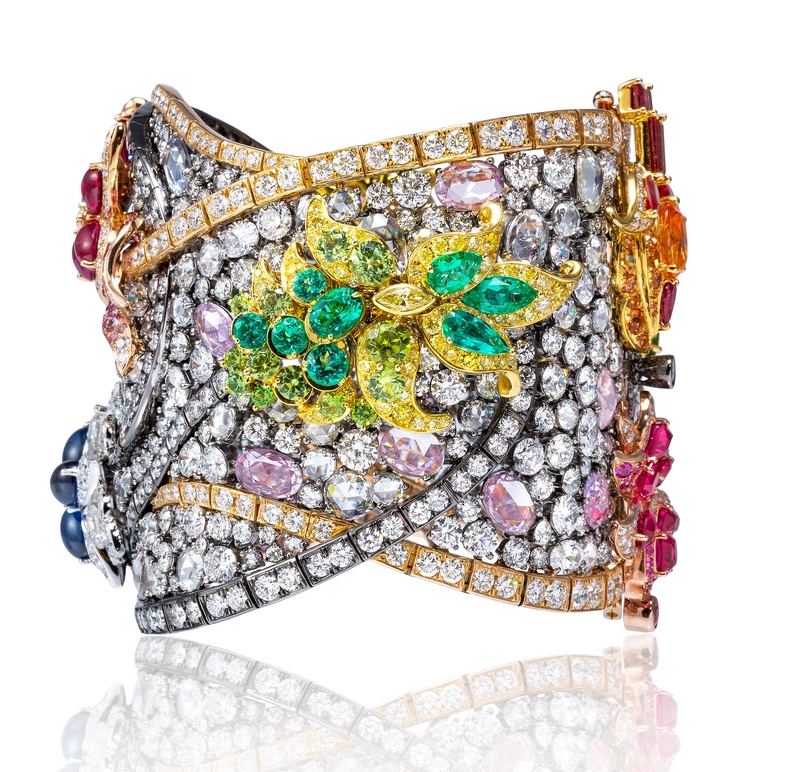
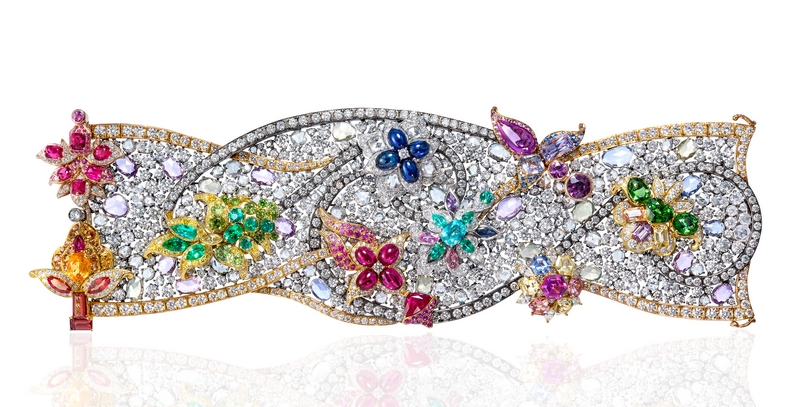
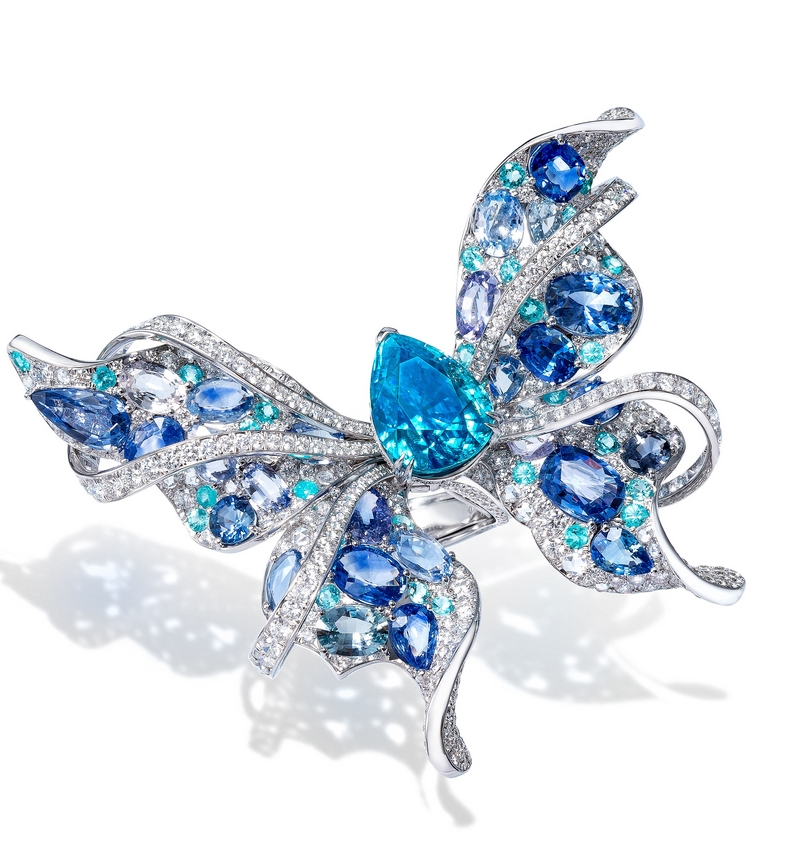
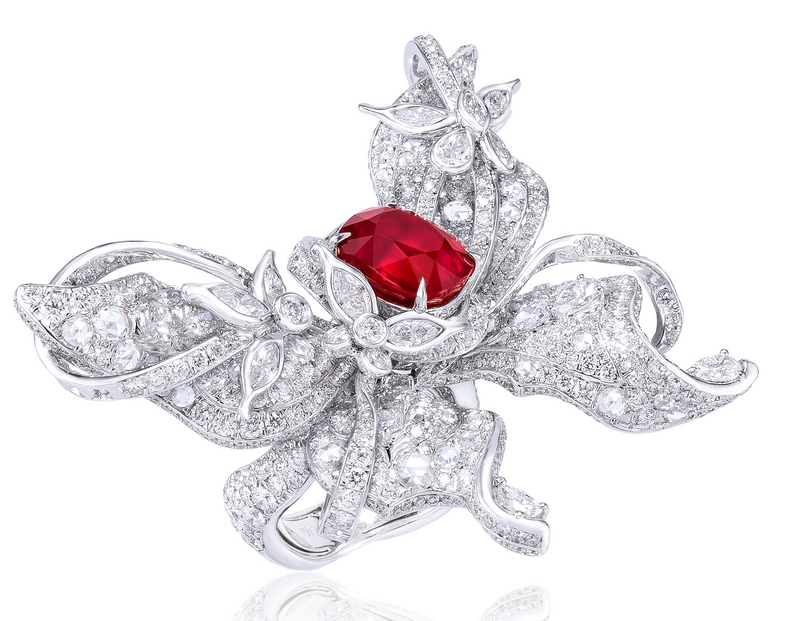
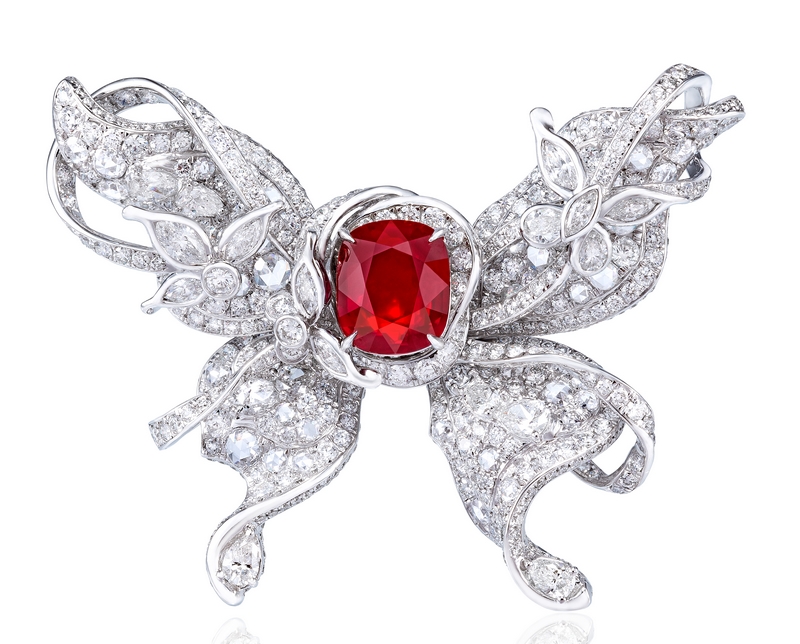
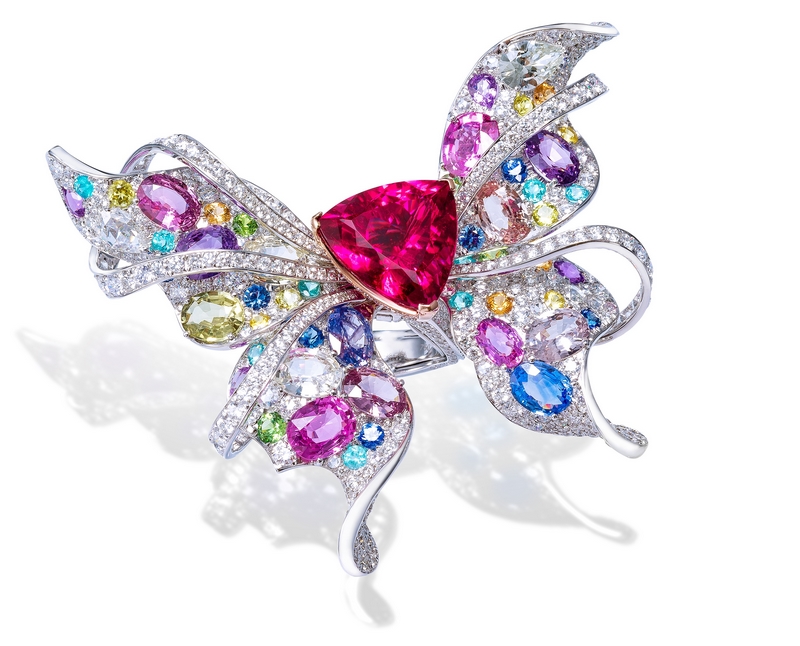
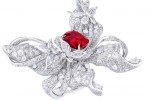
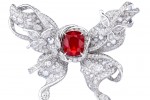
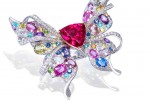
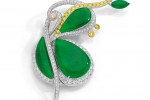
The fact that the brand is digital and specialises in lab-grown diamonds does not mean that it should be compared to Swarovski or worse still, Pandora! In fact, its most affordable lines could be more realistically compared to Tiffany’s and then upwards. The three key product categories catered for are Bridal Rings, Brand Coded Collections and Unique pieces, some may include the world’s biggest lab-grown diamonds commanding prices greater that 500,000 Euros!
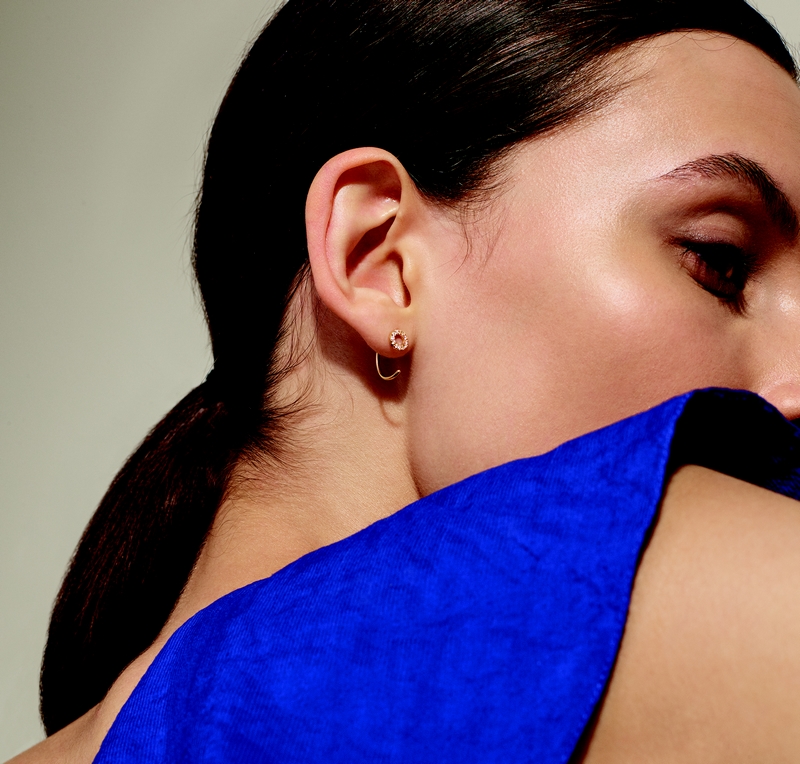
“The collections revolve around themes of the universe and the planets that are dear to the brand”, says Courbet, “Fluid lines, strong statements of modern luxury, elongated and sparkling”. “The Courbet name was inspired by Place Vendôme itself,” say the co-founders, Marie-Ann Wachtmeister and Manuel Mallen. They “desired an artistic connotation and selected Gustave Courbet, the French rebel painter of nature and women, world-famous for his painting L’Origine du Monde. What’s more, Courbet once dismantled the Napoleonic pillar at the center of Place Vendôme as a testament to his desire for world peace and change”.
“We are signaling the coming of a new age on the Place Vendôme,” Manuel Mallen, co-founder of Courbet, said in an interview to The New York Times (8). “It is not by accident that we chose this name. The jewellery houses on the Place Vendôme know that their products have damaged the environment in one way or another,” Mr. Mallen said. “The time has come for change.”
This very interesting venture, a totally 21st Century brand with a 19th Century name is certainly one worth tracking. One cannot help wondering how the name will be pronounced by Americans, Japanese or the Chinese and how easy it will be to remember compared to the digital brands such as, Uber, Bolt or even the new jewellery start-up called 404 Place Vendôme which is not really at the Place and does not wish to be ‘disruptive’ or ‘to speak to Millenials’ but are totally aimed at them, offering personalised jewellery within 15 days from its fake virtual address named after the error code, « 404 not found ».
We would assume that anyone who loves fine jewellery, is against mining and the environmental harm that certain practices have had on this planet, will be interested in hearing what the co-founders of this dynamic digital brand have to say (video interview above).
We remain convinced that many brands may wish to copy the Courbet concept as quickly as possible. To copy its values and principles is relatively easy. To offer a different creative direction is also easily achievable. Competing with the numerous technical patents that Courbet have, will, however, be a much harder challenge. Courbet are aiming to keep raising the bar and setting the new standards for the world. How long before they are acquired by Richemont, LVMH, Kering or Fosun?
* “Place Vendôme, the Paris home of Haute Joiallerie where all the big jewellery names have their showrooms, has just had a makeover, reinstating its reputation as one of the most beautiful city squares in the world”- Suzy Menkes, Vogue Magazine UK, 2 Aug 2019. https://www.vogue.co.uk/article/suzyjewels-place-vendome-jewellers-change-settings-for-customers-and gemstones?fbclid=IwAR346d0rDIbPdSYfg4XV2mq5O0HtKQr4xWJRmfUJBEstsNA2bYYrPwig3o3
Philippe Mihailovich and Caroline Taylor (PhD Researcher, GIC-CUG) are luxury brand consultants at HAUTeLUXE and Visiting Professors of Luxury Brand Management at leading business, fashion and jewellery schools in both Paris and China. They are also Paris representatives and contributors to 2LUXURY2.com.
(1) https://www.jckonline.com/editorial-article/lab-created-diamonds-eco-friendly/
(2) https://www.nytimes.com/2018/09/11/style/jewelry-courbet-synthetic-diamonds.html
(3) https://www.diamondportfolio.com.au/investor-centre/market-information/de-beers-monopoly-broken/
(4) https://www.reuters.com/article/us-diamonds-debeers-synthetic-analysis/lab-grown-diamond-prices-slide-as-de-beers-fights-back-idUSKCN1OK0MQ
(5) https://www.bloomberg.com/news/articles/2018-09-04/lab-made-diamonds-for-less-why-de-beers-s-plan-worries-rivals
(6) https://salmanzafar.me/digital-carbon-footprint/
(7) https://www.jckonline.com/editorial-article/lab-created-diamonds-eco-friendly/
(8) https://www.nytimes.com/2018/09/11/style/jewelry-courbet-synthetic-diamonds.html