When the Council of Fashion Designers of America (CFDA) and Ralph Lauren team up, it’s rarely just about the clothes. In 2026, the real luxury is resilience.
In a move to shield the “Made in USA” label from global supply chain volatility and rising tariffs, the duo has launched a dual-grant initiative to modernize the American factory floor. Here is the breakdown for the fashion-forward and the business-minded.
The “New” American Craftsmanship: Two Funds to Watch
Ralph Lauren isn’t just a designer; he is a preservationist. After a decade of donating over $2 million to help 54 local factories, he is now taking the mission national.
1. The CFDA x NY Forward Grant Fund (Launch: Mid-2026)
This is a rescue mission for the historic Garment District in New York City—the square mile between 34th and 42nd Street that has defined American style since 1919.
The Target: Manufacturers and designers with in-house production who are feeling the squeeze of Midtown real estate.
The Reward: Partially matching grants to buy the high-tech machinery and software needed to compete with European luxury ateliers.
The “Gold” Ribbon: Each year, one standout recipient will receive the Ralph Lauren Manufacturing Award, a full grant recognized for the most “visionary” approach to production.
2. The U.S. Fashion Manufacturing Fund (2027–2029)
Luxury isn’t just a New York story. This fund expands the “Bottega” mindset across the country.
The Reach: Major apparel hubs in California, Texas, Florida, and the Carolinas.
The Deal: A “power-sharing” financial model. The fund covers 80% of the cost for new AI-driven looms or workforce training, while the manufacturer covers the remaining 20%. It ensures everyone has “skin in the game.”
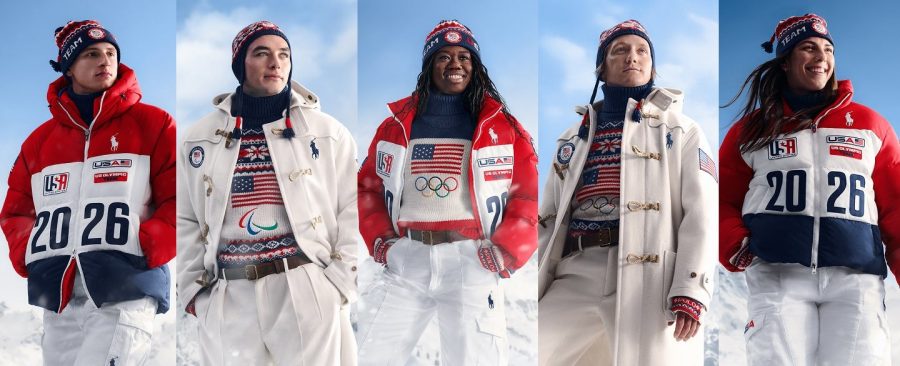
Why This Matters for Luxury Enthusiasts
If you’ve noticed the prices of luxury goods climbing, it’s often because moving a bag across an ocean has become prohibitively expensive. By backing domestic production, Ralph Lauren is making a “quiet luxury” power play:
Heritage Preservation: Keeping the skilled artisans of the Garment District employed is the only way to ensure “American Style” doesn’t become a purely outsourced concept.
The Tariff Shield: In a 2026 climate of trade uncertainty, being able to produce a high-end coat in South Carolina rather than shipping it from overseas is a massive competitive advantage.
Sustainability: Less shipping means a smaller carbon footprint—a key demand for the modern luxury consumer.
A Funny Note: The “Invisible” Designer
There’s a certain irony in Ralph Lauren—the man who made the “Polo” horse a global icon—spending millions to help people not look at his logo, but at the stitching on the inside.
The Reality Check: While we all want a “Made in USA” label, these grants are mostly for buying “Made in Germany” or “Made in Japan” robotic sewing machines. Essentially, Ralph Lauren is paying to give American sewers superpowers. ### The “Solid” Facts
Ralph Lauren’s Total Impact: $2 million+ donated to date, protecting 2,000+ jobs.
Eligibility: To get a NYC grant, you must have under $10M in revenue and at least three years left on your lease. It’s for the “rising stars,” not the established giants.
Timeline: NY funding drops in Q3 2026; the National Fund kicks off in 2027.
