If the early 2020s were defined by a frantic, almost panicked sprint toward a silent, lithium-powered future, 2026 is officially the year of the “Pragmatic Pivot.” For the High-Net-Worth Individual, the novelty of the silent 0–60 dash has worn thin. We’ve realized that while an electric motor is a brilliant appliance, it’s a rather mediocre emotional companion. The latest dispatches from Sant’Agata, Maranello, Goodwood, and beyond suggest that the industry has finally stopped lecturing us on “sustainability” and started listening to our desire for drama.
The Billion-Dollar “No”
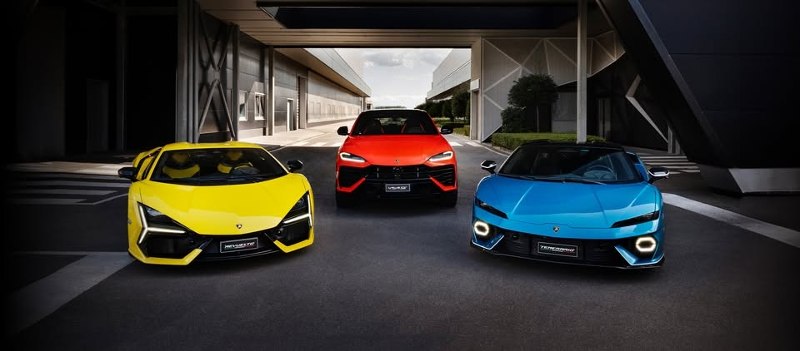
In a move that can only be described as breathtakingly bold, Lamborghini CEO Stephan Winkelmann recently took the “Lanzador” electric GT project—a car we were all told was the inevitable future—and quietly walked it behind the barn. The reason? “Acceptance is close to zero.” Lamborghini has realized that investing in a silent supercar is an “expensive hobby” that ignores the brand’s DNA. Instead, they’ve delivered the Temerario, a hybrid successor to the Huracán that revs to a spine-tingling 10,000 rpm. It’s a calculated bet that in 2026, the sound of a V8 scream is worth more than a carbon credit.
Maranello: The Jock in Catwalk Couture
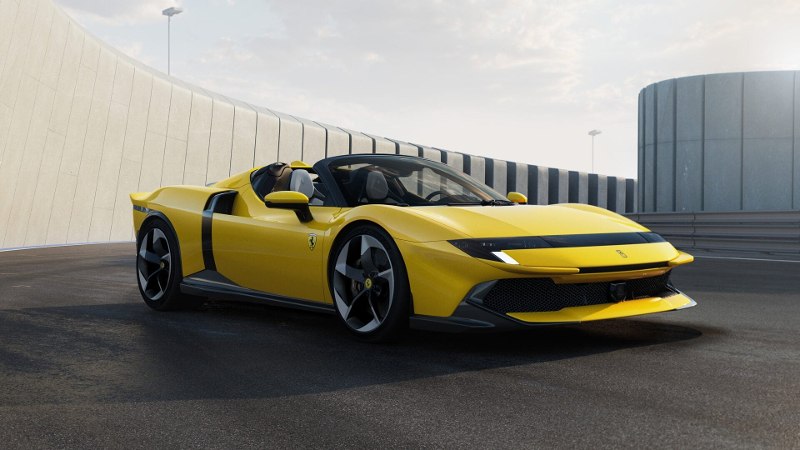
Ferrari continues to play the “Veblen” game better than anyone on earth. The newly minted 849 Testarossa is a masterclass in modern excess, ditching the “nerdy” aesthetics of the SF90 for what critics are calling “jock in catwalk couture.” With 1,050 cv and a chassis that uses 6D sensors to read your intentions before you even have them, it’s a car that makes the driver feel like a god, rather than a passenger in a computer. Ferrari’s “Luce” EV is still coming this May—with a Jony Ive-designed interior, no less—but don’t expect to get one; the order books for everything with a Prancing Horse are essentially sealed until 2028.
Goodwood: The private Office Ascendant
Rolls-Royce, conversely, has validated the silence of electricity with the Spectre, but their biggest 2026 news isn’t about powertrains; it’s about control. Rolls-Royce is aggressively expanding its “Private Office” bespoke ateliers globally. Why buy a stock Phantom when the factory will dispatch an artist to work alongside you, integrating materials like woven leather or hand-painted wood galleries featuring the specific brushwork of a commissioned artist? The message: A standard luxury car is nice, but in 2026, “luxury” is about ensuring your garage is as curated as your fine art collection.
The Boutique Gladiators: Hyper-Niche vs. The Establishment
In the true high-stakes arena, the fight is over milliseconds and bragging rights.
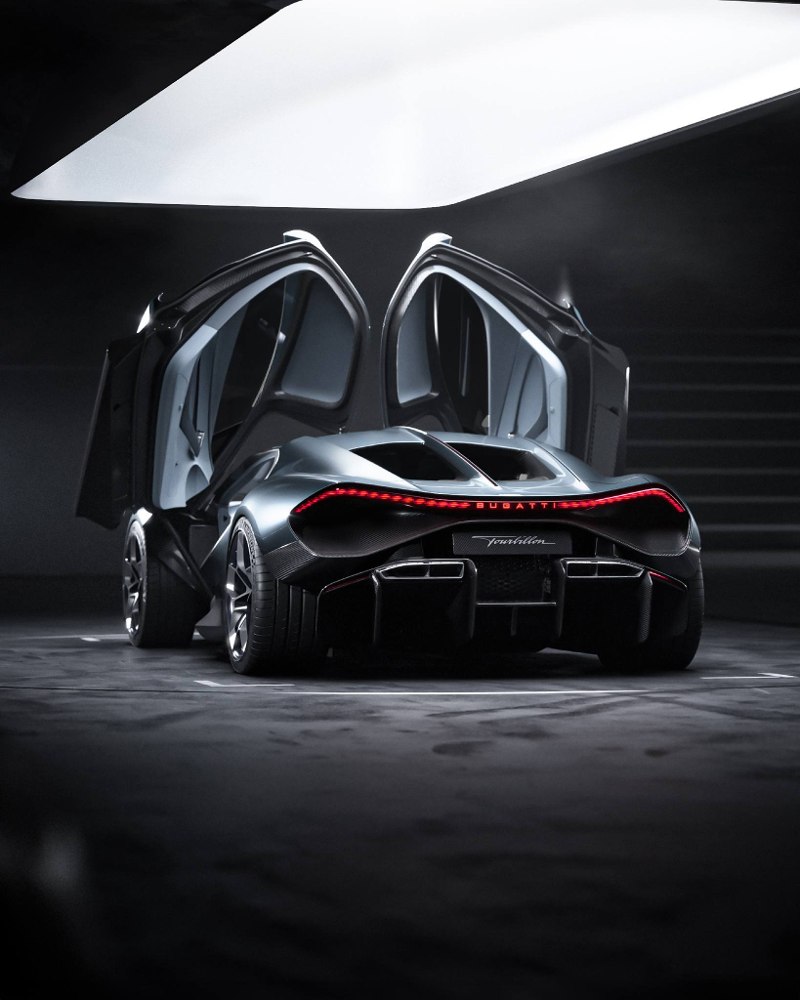
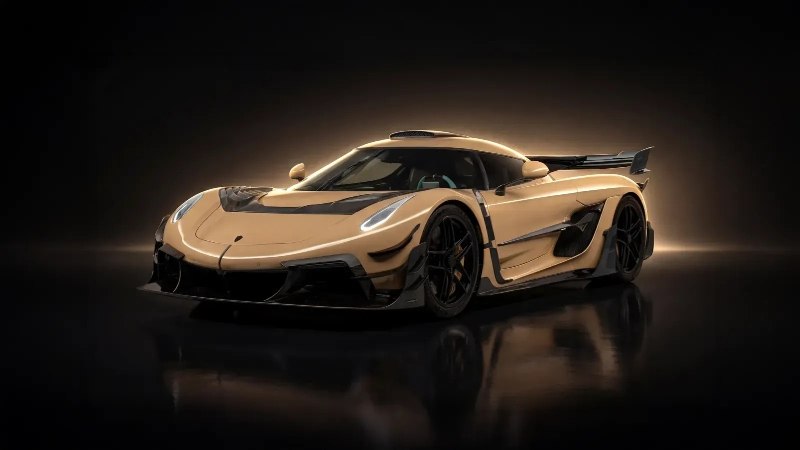
Bugatti begins deliveries of the Tourbillon—a $4.6 million love letter to Swiss horology that replaces digital screens with sapphire-glass analog dials. By contrast, Koenigsegg is doubling down on “Dark Matter” technology, perfecting the single electric motor in the Gemera four-seater, allowing them to extract absurd power without adding traditional EV weight.
Across the channel, Aston Martin is finally bringing the Valhalla hybrid supercar to market, while Lotus is navigating the most difficult pivot of all. Having launched the Eletre electric SUV and Emeya sedan, Lotus is fighting the perception battle—can a Norfolk-born brand known for simplicity successfully convince consumers that a 5,000-pound electric SUV is still a Lotus?
Even Maserati is caught in this pragmatic crossfire. While they have successfully launched their “Folgore” electric line for the GranTurismo and Grecale, the brand is reportedly reconsidering its timeline, acknowledging that keeping combustion options available for the MC20 for much longer might be necessary to meet customer expectations of emotional performance.
The 2026 Leaderboard: Who’s Winning the Pivot?
In the current landscape, Ferrari is widely considered the prestige leader, having navigated the hybrid transition with such surgical precision that their order books for the new 1,035 hp 849 Testarossa and the F80 hypercar are effectively closed for years, cementing their status as a “Veblen good” that defies broader market cooling.
Meanwhile, Lexus has secured the lead in market stability and customer trust, capitalizing on a “flight to quality” where buyers, weary of the software glitches and steep depreciation of early-gen European EVs, are flocking to their ultra-reliable, redesigned hybrid staples like the ES and GX.
On the technological frontier, Mercedes-Benz holds the edge in the “digital arms race,” moving beyond simple screens to integrate advanced NVIDIA-powered AI architectures that position the car as a proactive assistant rather than just a vehicle.
Finally, Lamborghini is arguably the leader in strategic agility; by making the bold choice to pause their fully electric “Lanzador” project in favor of high-revving, emotional hybrids, they have aligned themselves perfectly with a 2026 consumer base that is increasingly vocal about wanting mechanical soul over silent efficiency.
2026 is not the year to buy based on a 2020 press release. The market is correcting its assumptions about fully electric drive. The smartest capital is moving back to brands that respect mechanical heritage. If you want a silent commuter, buy a Mercedes. But if you want a machine that makes you feel alive, Lamborghini and Ferrari are still the undisputed champions of soul.